

Horse Riding Lessons for Beginners Adults
Horse riding lessons for beginners adults build confidence, safety, and skill. Learn what to expect, what to wear, and how progress happens.
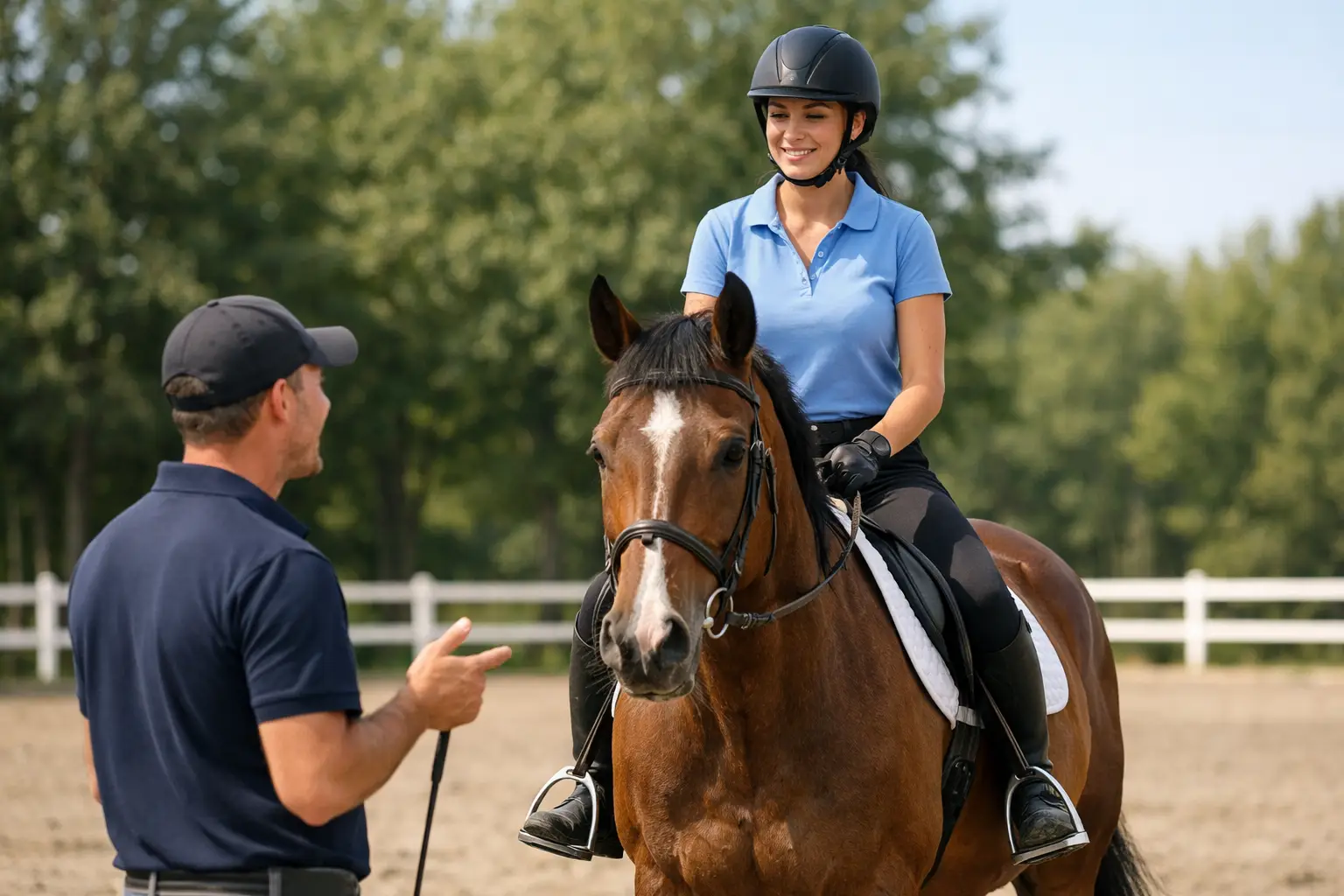
Starting your first ride as an adult can feel equal parts exciting and exposing. Many people look for horse riding lessons for beginners adults after years of saying, "one day," and then wonder if they have missed their window. You have not. Adult beginners often make thoughtful, steady riders because they listen carefully, ask good questions, and appreciate the value of learning the right way from the start.
What matters most in those early lessons is not looking experienced. It is building trust, safety, and body awareness one step at a time. A strong beginner program should help you feel challenged without feeling rushed.
What adult beginners really need from a lesson program
Adults usually arrive with a different mindset than children. They tend to be more aware of risk, more self-conscious about making mistakes, and more interested in understanding why they are being asked to do something. That is not a weakness. In a well-structured program, it becomes a strength.
The best horse riding lessons for beginners adults focus on clear instruction, consistency, and individual attention. Private lessons are especially valuable in the beginning because they allow the instructor to match the pace of the lesson to the rider's comfort, fitness level, and confidence. One rider may need extra time learning how to steer and halt. Another may feel physically comfortable in the saddle but need more coaching on rhythm or posture.
That kind of personalization matters. Riding is not just about staying on. It is about learning balance, timing, communication, and horsemanship in a way that keeps both horse and rider safe.
What to expect in your first few horse riding lessons for beginners adults
Your first lessons will usually be simpler than you imagine, and that is a good thing. Strong foundations make later progress much easier. In the beginning, you are likely to spend time learning how to approach the horse, how to stand near them safely, and how to handle basic equipment with guidance.
Once mounted, most adult beginners start with position and control at the walk. You will work on how to sit evenly, where to place your hands, how to use your legs without gripping, and how to ask the horse to move forward and stop. Turning, steering patterns, and maintaining your balance through transitions often come next.
Some riders expect to trot right away, while others are relieved when the first lesson stays at the walk. Either approach can be appropriate. It depends on the rider, the horse, and the instructor's judgment. A safety-first program does not rush milestones just to make a lesson feel more impressive.
What you should wear and bring
You do not need a full show wardrobe to begin. In fact, most adult beginners do best with a practical, comfortable setup. Wear long pants that allow movement and avoid bulky inner seams. Choose a fitted top that will not shift around while you ride. Boots with a closed toe and a small heel are the standard choice because they help your foot sit properly in the stirrup.
Most lesson programs provide or require an approved riding helmet. If you decide to continue, buying your own well-fitted helmet is often one of the first worthwhile investments. Gloves can also help, especially if you are learning rein contact and want a more secure grip.
What you bring mentally matters too. Come ready to listen, to repeat simple exercises, and to let your body learn a new pattern. Riding looks graceful when done well, but in the beginning it can feel surprisingly technical.
Why private instruction makes a difference
For adult beginners, one-on-one instruction often leads to faster and more confident progress. In a private setting, your trainer can watch every detail - from how you carry your shoulders to whether your leg slips back in transitions. Small corrections made early can prevent bigger frustrations later.
Private lessons also create more room for questions. Adults usually want context. Why does the horse drift through one shoulder? Why does posting feel easier on one diagonal than the other? Why is the halt crooked? Those questions are part of serious learning, and they deserve time and attention.
At a boutique program such as Eden Hills Equine, individualized instruction can also support a better horse-and-rider match. That matters because the right lesson horse helps a beginner feel secure while still learning responsibility and proper aids. A calm horse does not mean a "dead" horse. The best school horses teach riders to communicate clearly, not just sit passively.
Progress is not linear, and that is normal
Adult riders often expect each lesson to show obvious improvement. Some days it will. Other days, you may feel like you forgot everything you learned the week before. That is common in riding because progress is physical, mental, and emotional all at once.
One week you may finally understand how to keep your heels down without bracing. The next week your attention shifts to steering accurately, and your position feels less steady again. That does not mean you are going backward. It usually means your brain is integrating a new layer of skill.
Confidence can also fluctuate. A rider may feel completely comfortable at the walk, then tense up during a trot transition. Another may love the movement but feel nervous around grooming or tacking. Good instruction meets those moments with steady coaching rather than pressure.
The role of horsemanship in adult beginner lessons
The riding itself is only part of becoming a capable equestrian. True beginner education should include horsemanship, not just time in the saddle. Adults who understand horse behavior, basic care, and safe handling often become more relaxed riders because they know what they are seeing and why it matters.
That can include learning how horses communicate through body language, how to lead respectfully, how to groom with purpose, and how tack fits into comfort and performance. These lessons build confidence on the ground, which often carries directly into confidence under saddle.
This is one area where a smaller, more attentive setting can be especially helpful. When instruction is not rushed, riders have time to ask questions, absorb routines, and develop a more complete relationship with the horse.
Common concerns adult beginners have
Many first-time adult riders worry they are too old, too stiff, too nervous, or too behind to start. In reality, adult beginners come with a wide range of backgrounds. Some were around horses as children and are returning after years away. Others have never touched a horse before their first lesson.
Fitness can help, but you do not need to arrive already athletic. Riding will challenge your balance, coordination, and core strength, and those qualities often improve with consistent lessons. Flexibility and endurance tend to build over time.
Nervousness is also normal. The key is not pretending you are fearless. It is learning in an environment where safety procedures are clear, expectations are realistic, and your instructor takes your concerns seriously. Confidence usually grows from repetition and trust, not from being pushed too far too soon.
How to know if a program is the right fit
A good adult beginner program should feel structured, attentive, and professional. You should know what your lesson includes, what safety standards are in place, and how your progress will be guided. The facility should feel orderly and well managed, and the horses should appear cared for both physically and behaviorally.
You should also feel comfortable asking questions. Riding instruction works best when there is open communication and a clear sense that the trainer is invested in your long-term development, not just getting you through the hour.
It is worth paying attention to pacing. If everything feels rushed, confusing, or overly casual, that can make learning harder. On the other hand, a thoughtful program will help you understand what you are working on now, what comes next, and why each step matters.
What success looks like in the first season
For most adult beginners, success in the first few months is not about jumping high fences or mastering advanced movements. It is about becoming secure and effective in the basics. That might mean mounting with more confidence, steering accurately at the walk and trot, posting in rhythm, maintaining a balanced position, and understanding how to care for the horse before and after the ride.
Those are meaningful milestones. They create the base for everything that follows, whether your long-term goals include dressage, jumping, pleasure riding, leasing, or simply enjoying a disciplined new hobby that keeps you learning.
Riding has a way of rewarding patience. Adults who give themselves permission to be beginners often discover something deeper than a new skill. They find focus, humility, partnership, and the quiet satisfaction of doing hard things well. If you are considering your first lesson, the best time is not when you feel completely ready. It is when you are ready to begin with care.