

Build Rider Confidence With Private Instruction
Build rider confidence with private instruction through focused coaching, safer habits, and steady progress for English riders of every age and level.
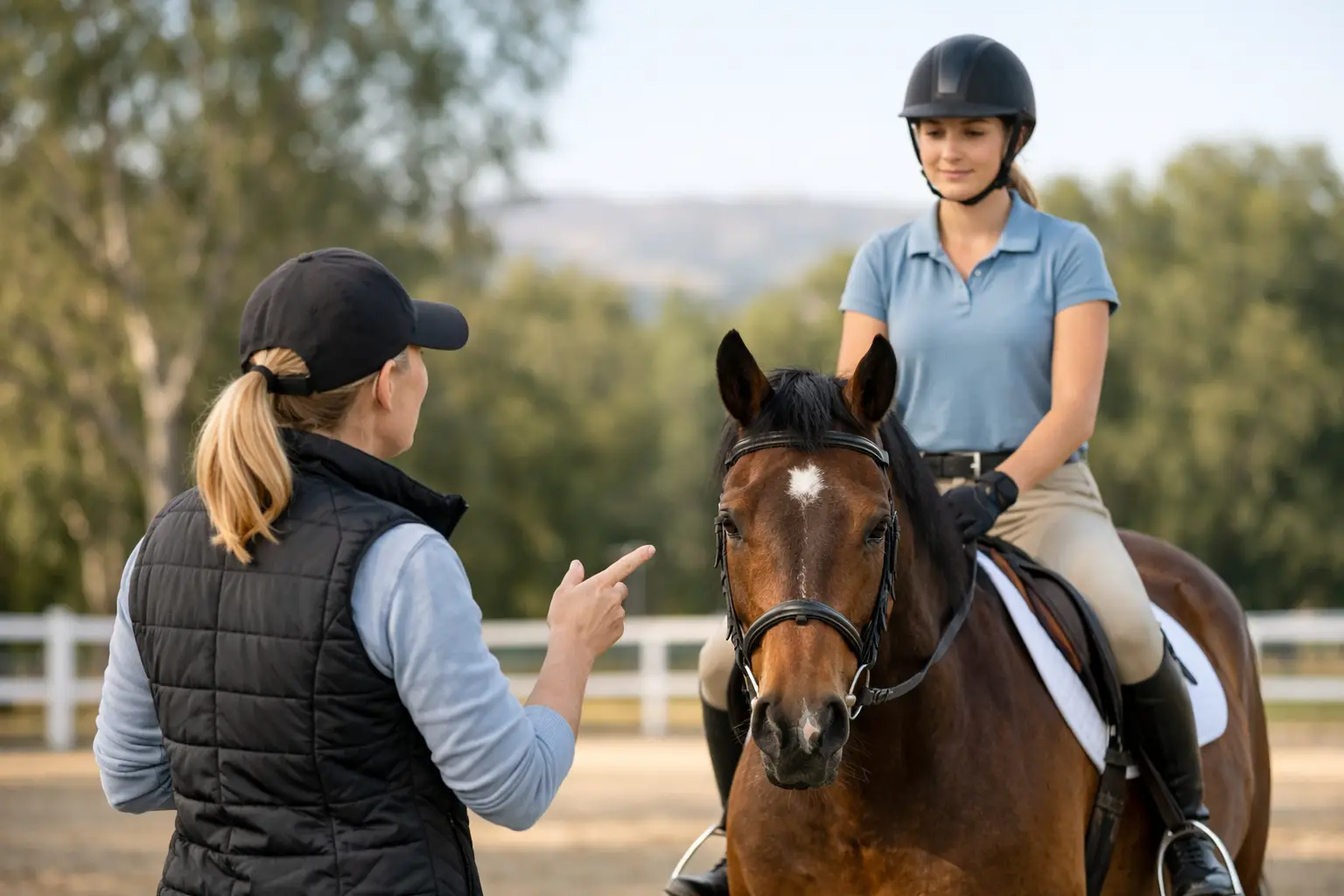
A rider can look confident from the ground and still be holding their breath through every transition. They may hesitate before a small fence, lose position when a horse changes pace, or worry about making the wrong choice in the arena. To build rider confidence with private instruction, a coach must do more than offer encouragement. The rider needs clear information, a safe plan, and enough focused repetition to recognize their own progress.
Private lessons create room for that kind of development. Instead of trying to keep pace with a group exercise or comparing themselves to another rider, each student can work on the skills that matter most for their horse, goals, and current stage of learning. Confidence then becomes something earned through capable, thoughtful riding.
Why Confidence Is More Than Being Brave
Confidence is often mistaken for fearlessness. In riding, it is better understood as trust in a rider's preparation. A confident rider knows how to check their equipment, establish a safe rhythm, ask for a transition, regain balance after a mistake, and communicate clearly with their horse.
That does not mean nerves disappear. A child preparing to canter for the first time, an adult returning after years away, or an experienced rider moving up to a more technical course may all feel nervous. The goal is not to dismiss that feeling. The goal is to give the rider practical tools that help them respond well when it appears.
Private instruction supports this process because the instructor can notice the details behind a rider's hesitation. Sometimes a rider needs more work on steering and spacing before beginning poles or fences. Sometimes the challenge is physical, such as a weak lower leg or a tendency to tip forward. Other times, the rider understands the skill but needs a series of manageable successes before they believe they can do it consistently.
Build Rider Confidence With Private Instruction
One-on-one coaching gives a rider direct feedback in the moment it is most useful. A trainer can adjust the lesson when a horse feels distracted, when a new exercise is not clicking, or when a rider is ready to take the next step. That flexibility helps lessons stay productive without pushing a student beyond what is safe or constructive.
In a group setting, instruction must be shared among multiple riders, horses, skill levels, and personalities. Group lessons can offer community and teach riders to share arena space, but they are not always the best place to solve a specific riding challenge. Private lessons allow the focus to remain on one rider's position, decision-making, and relationship with the horse.
For a beginning rider, this may mean taking the time to learn correct rein handling, safe mounting, stopping, turning, and posting without feeling rushed. For an intermediate rider, it might involve refining a balanced canter, riding accurate transitions, or finding a consistent line to a fence. For an advanced rider, individualized instruction can support more detailed dressage work, jumping questions, course strategy, and competition preparation.
The right lesson should feel challenging, but never chaotic. Progress may include repeating the same exercise until it becomes reliable, then changing only one element at a time. That steady approach helps riders understand why an exercise worked rather than simply hoping to get through it.
Small Wins Create Lasting Progress
The most valuable confidence often comes from small, specific improvements. A rider who can keep their eyes up through a turn has gained something useful. So has the rider who learns to soften their hands, recognize when a horse is losing impulsion, or calmly ride a circle to regroup.
Private instruction makes those wins easier to identify. The instructor can name what changed and connect it to an outcome: the horse stayed straighter because the rider supported with both legs, or the transition improved because the rider prepared early and stayed balanced. When riders understand the cause and effect of their aids, their confidence becomes more stable.
Parents can see this growth outside the saddle as well. Young riders often become more patient, responsible, and willing to accept feedback. They learn that progress is not always a straight line and that careful practice matters. Those habits are part of true horsemanship.
Safety Gives Riders Room to Learn
A rider is more likely to try a new skill when they know the environment is organized and the instructor is attentive. Safety begins well before a lesson starts. Appropriate horses, well-fitted tack, a maintained riding area, clear barn expectations, and close supervision all help create the conditions for successful learning.
During a private lesson, the trainer can watch for subtle signs that a rider is becoming overwhelmed or losing effective position. They can simplify an exercise, return to a familiar skill, or explain the next step from the ground before asking the rider to try it. This is not lowering standards. It is teaching with enough care that the rider can meet the standard safely.
Horse selection matters, too. A rider's confidence can be affected by whether their mount matches their experience and the purpose of the lesson. A suitable lesson horse helps students practice good habits and receive fair, understandable feedback from the horse. As a rider develops stronger skills, they can gradually work with more sensitive or challenging horses under professional guidance.
Confidence Comes From Horsemanship, Not Just Saddle Time
The rider who understands the horse beneath them is better prepared to ride thoughtfully. Private instruction can include the horsemanship knowledge that supports confidence in the arena: grooming, tacking up, basic horse behavior, proper handling, and recognizing when a horse may be uncomfortable or unsettled.
This education is especially meaningful for children and families new to horses. Riding can look simple from the outside, but horses are powerful animals with individual needs and clear communication. Learning to respect that reality helps young riders develop calm awareness rather than casual overconfidence.
For horse owners, private coaching can also connect riding goals to the horse's training needs. A horse-and-rider pair may need to improve fitness, consistency, flatwork, or communication before advancing in jumping or dressage. A thoughtful program considers both sides of the partnership instead of treating the rider's goals separately from the horse's well-being.
How Families Can Support a Confident Rider
Confidence grows best when expectations remain realistic. A rider does not need to advance at the same pace as a friend, sibling, or teammate. Horses and riders develop differently, and a temporary plateau is often part of learning a more durable skill.
Families can support the process by encouraging regular attendance, arriving prepared, and asking the rider what they practiced rather than focusing only on what they accomplished. A question like, “What did you learn about your horse today?” can lead to a better conversation than, “Did you jump higher?”
It also helps to allow the instructor and rider time to build a working relationship. Trust grows when a student receives consistent language, clear standards, and lessons that build from one week to the next. If a rider is anxious about a particular skill, sharing that concern with the trainer allows the lesson plan to address it directly.
At Eden Hills Equine, private instruction is designed to give riders that focused attention while keeping the horse's comfort, safety, and education at the center of the experience. In a boutique setting, students have the space to ask questions, practice deliberately, and develop the self-assurance that comes from being well prepared.
A confident rider is not the one who never feels uncertain. It is the rider who can pause, listen, apply what they have learned, and keep moving forward with respect for the horse and belief in their own growing ability.