

Horse Boarding That Supports Horse and Rider
Horse boarding should provide more than a stall. Learn what full-care standards, safety, training support, and personal attention can mean for your horse.
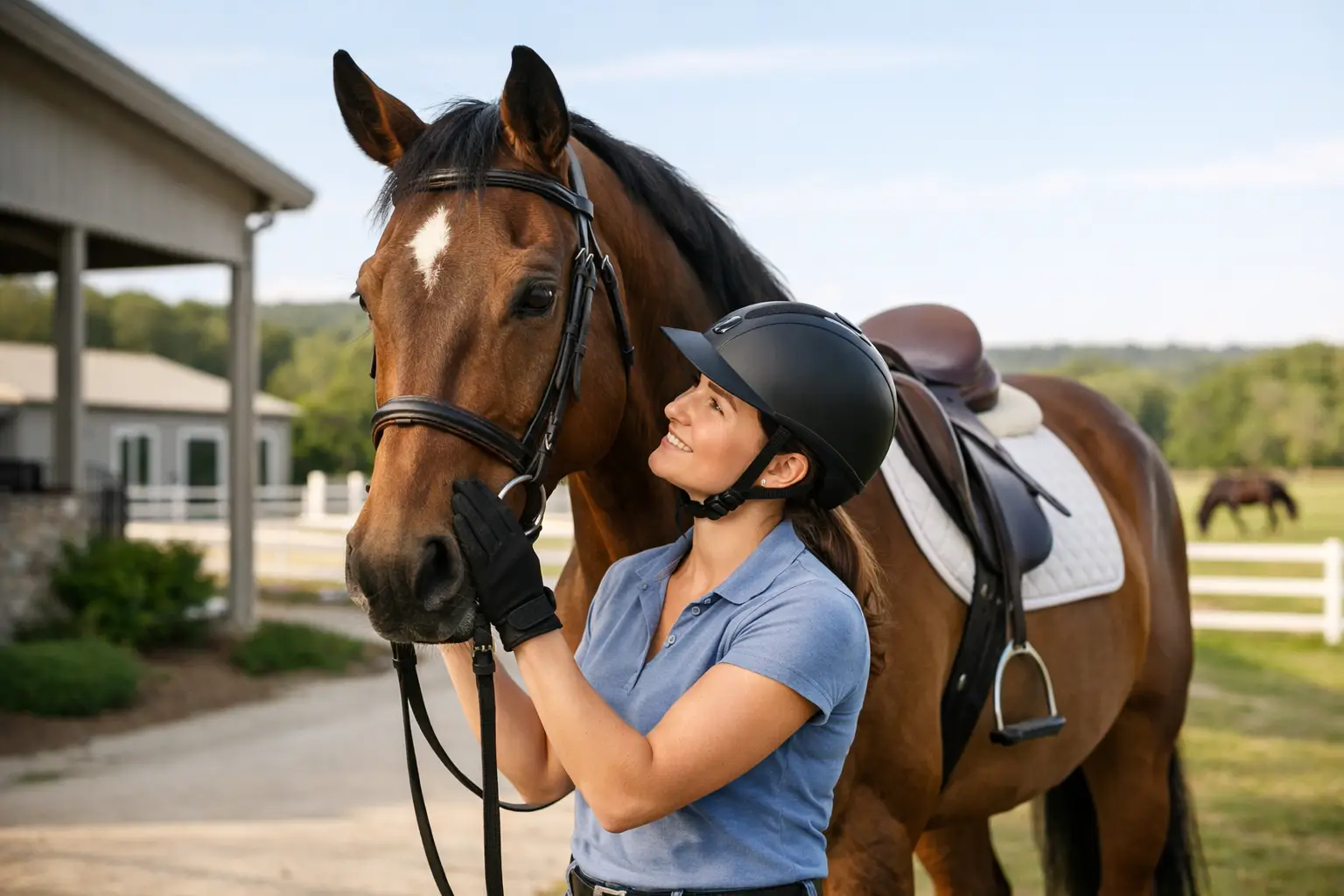
A horse can look settled in a stall and still be missing the consistency that helps them truly thrive. The quality of horse boarding affects far more than where a horse sleeps each night. It shapes their daily routine, physical condition, soundness, behavior, training progress, and the peace of mind an owner feels when they cannot be at the barn.
For families with a young rider, adult amateurs building confidence, and dedicated owners managing a competition horse, boarding is a decision about care, communication, and support. The right setting should make it easier to be a responsible horse owner and give each horse the attentive management they deserve.
What Full-Care Horse Boarding Should Include
Full-care boarding should begin with reliable daily essentials: consistent feeding, fresh water, clean living spaces, and regular turnout appropriate to the horse and facility. Those basics matter, but they are only the starting point. Horses are individuals, and quality care recognizes the difference between a horse that needs careful weight management, one that benefits from a particular turnout routine, and one that requires a close eye during training or recovery.
A well-managed program also has clear systems for observing horses each day. Small changes often tell an important story. A horse that leaves grain, seems unusually quiet, has a scrape, or moves differently in turnout may need attention before a minor concern becomes a larger one. Daily oversight is not about creating worry. It is about noticing what is normal for each horse and responding thoughtfully when something changes.
Owners should also understand how routine care is handled. Ask how the facility coordinates farrier appointments, veterinary visits, dental care, blanketing when conditions call for it, and medication administration if needed. The answer does not need to be complicated, but it should be clear. A dependable boarding program helps owners keep up with the practical responsibilities that protect a horse's health.
Safety Is Built Into the Daily Routine
Safety is not limited to helmets in the arena. It is reflected in the full design and management of a ranch: secure fencing, well-maintained footing, sensible turnout practices, organized equipment areas, and knowledgeable supervision. A quiet, orderly environment makes it easier for horses to settle and for riders to focus.
For parents, the physical setting is especially meaningful. Children and teens learn best when expectations are clear and adults are actively guiding safe habits around horses. That includes how to approach a horse, tie safely, lead with awareness, groom correctly, tack up thoughtfully, and respect the boundaries of turnout and riding areas. These are not side lessons. They are the foundation of true horsemanship.
The best safety practices also leave room for good judgment. Texas weather can change quickly, and a thoughtful program adjusts routines when heat, storms, footing, or other conditions require it. There is no single schedule that suits every day or every horse. Responsible care means paying attention and making decisions with horse welfare first.
Clean Facilities Matter, but So Does Management
A clean aisle and freshly bedded stall create a good first impression, yet the deeper question is how the barn functions over time. Are shared spaces kept organized? Are feeding routines dependable? Is tack stored securely? Is manure management handled consistently? Are horses brought in and turned out with care rather than rushed through a high-volume routine?
These details affect comfort, health, and the overall barn experience. They also show whether the program has the structure needed to provide personalized attention. A boutique setting should feel calm, professional, and welcoming, with enough oversight that horses and riders do not get lost in the crowd.
Horse Boarding Should Support Training Goals
A horse's living environment and training program are closely connected. A horse learning dressage, developing over fences, returning to work, or maintaining fitness needs a schedule that supports consistent progress. That does not mean every boarded horse needs a demanding training plan. It means the care and facilities should fit the owner's goals.
For some owners, professional rides or a monthly training program provide valuable consistency between lessons. For others, the priority may be access to quality arenas, thoughtful conditioning guidance, and private instruction that helps the rider develop alongside their horse. The right arrangement depends on experience, available time, the horse's needs, and the rider's ambitions.
At Eden Hills Equine, the focus is on individualized development rather than moving every rider through the same program. Private instruction allows a trainer to see the details: a rider's position, a horse's response, a developing confidence issue, or a skill that is ready to advance. That focused attention is especially valuable when boarding and training work together.
Ask How Communication Works
Horse ownership comes with questions. An owner may need to discuss a feeding adjustment, ask about a horse's behavior, coordinate a professional visit, or determine whether additional training support would be helpful. Clear communication creates trust and prevents misunderstandings.
Before committing to a boarding program, ask who your primary point of contact will be and how updates are typically shared. It is also useful to understand what happens if a horse appears unwell or is injured. Owners should know how they will be contacted, what decisions staff can make in an urgent situation, and what information the facility needs on file.
Good communication is respectful of both the owner's role and the care team's experience. It should feel like a partnership centered on the horse, not a transaction that ends once the monthly board is paid.
Choosing the Right Fit for Your Horse
A beautiful facility is valuable, but it is not the only factor to consider. The right horse boarding arrangement depends on your horse's temperament, age, health history, workload, and social needs. It also depends on what kind of owner or rider you are today and where you hope to go next.
A horse that is easygoing in a herd may do well with ample turnout and a predictable group routine. A more sensitive horse may need a quieter arrangement, careful introduction to turnout companions, or a management plan that minimizes unnecessary stress. Senior horses, young horses, and horses in active training can all require different levels of attention.
For riders, consider whether the program offers more than a place to keep a horse. Is there qualified instruction available when you need it? Are the riding spaces suited to your discipline? Can your child learn responsibility in a structured setting? Is there a clear path for growth, whether that means gaining confidence at the walk and trot, refining flatwork, or preparing for jumping goals?
A good boarding choice should not pressure every owner into the same level of training or competition. It should offer support that can be tailored as goals change.
Questions Worth Asking Before You Board
A barn visit is an opportunity to look beyond the stalls and arenas. Notice whether the horses appear comfortable, whether staff interactions are calm and capable, and whether the environment feels well managed. Then ask practical questions about feeding, turnout, emergency procedures, farrier and veterinary coordination, training options, and the expectations for owners and riders.
It is also wise to ask about the boarding agreement. Understand what is included in the monthly rate, what services carry additional fees, how notice requirements work, and what records are required. Clear policies protect everyone involved and allow the care team to operate consistently.
Most importantly, pay attention to whether the program takes time to learn about your horse. A thoughtful conversation about feeding habits, turnout preferences, health history, riding goals, and personality is a strong sign that individualized care is more than a promise.
The right boarding home gives your horse a dependable routine and gives you a knowledgeable team in your corner. When care, safety, instruction, and communication work together, you have more room to enjoy the reason you chose horse ownership in the first place: the relationship you build with your horse.