

What Full Care Horse Boarding Should Include
Learn what full care horse boarding should include, what affects value, and how to choose a program that supports your horse's health and your goals.
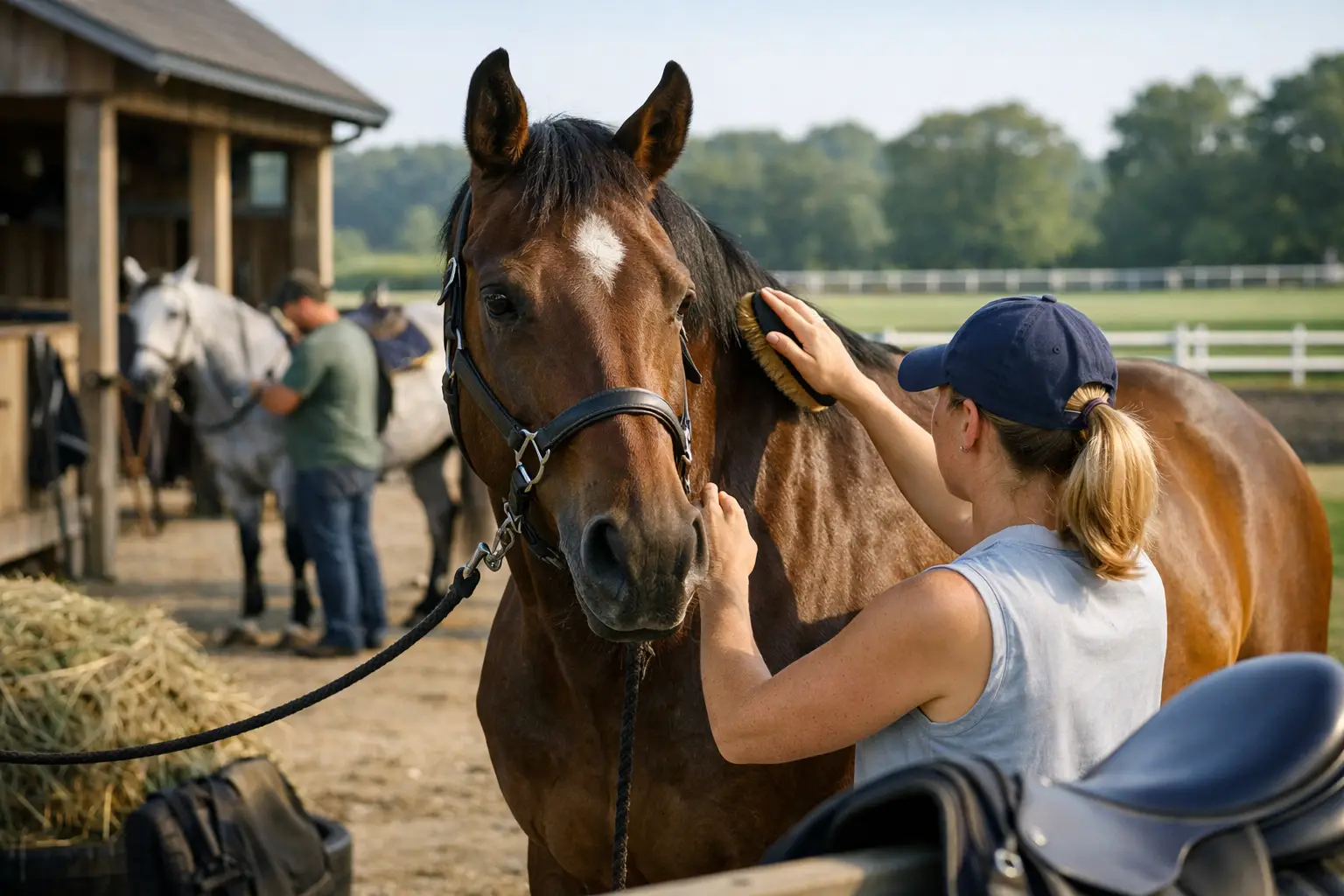
When owners ask about full care horse boarding, they are usually asking two questions at once. What will my horse receive each day, and will someone notice the small things before they become big problems? Those questions matter more than a fancy label on a price sheet because true full care is about consistency, oversight, and knowledgeable management.
For many families and adult riders, boarding is not just a place to keep a horse. It is part of the horse's daily support system and part of the rider's progress. A well-run program can help a horse stay healthier, happier, and more rideable. A poor fit can create stress, missed details, and a lot of uncertainty. That is why it helps to understand what the term really means and where the differences show up.
What full care horse boarding really means
At its best, full care horse boarding means the routine essentials of horse keeping are handled for you with professional consistency. That usually includes feeding, turnout or stall care, water, basic daily observation, and coordination around a horse's normal needs. In a quality program, those tasks are not treated as box-checking. They are part of ongoing horse management.
The phrase can sound simple, but it covers a lot of ground. Two facilities may both advertise full care while offering very different standards of attention. One may provide dependable daily handling and close communication. Another may only cover the basics with limited oversight. That gap is why horse owners should look past the label and ask how care is actually delivered.
For a horse owner, the value of full care is peace of mind. For a rider or parent, it is knowing that someone is watching appetite, movement, behavior, and overall condition even on days when you cannot be at the barn. Horses are routine animals, and the quality of that routine has a direct effect on health and performance.
The daily basics that should be dependable
A full-care program should provide the core needs of the horse without inconsistency. Feed schedules should be clear and appropriate for the individual horse. Clean water should never be an afterthought. Stalls, paddocks, and turnout areas should support cleanliness, safety, and sensible horse flow.
Turnout is a good example of where quality shows. Some horses thrive with more movement and social exposure, while others need a more tailored setup. The right arrangement depends on age, temperament, workload, and soundness. Full care is not always about giving every horse the same routine. It is about giving each horse a suitable one.
Blanketing, fly management, and basic handling also often fall under the day-to-day rhythm of care, though exact services vary. Owners should ask what is included automatically, what is done upon request, and how staff handles changing weather or seasonal management. In Texas, heat, footing conditions, and insect pressure can all affect what thoughtful daily care looks like.
Good boarding is built on observation
The biggest difference between average and excellent full care horse boarding is often observation. Horses rarely announce a problem in a dramatic way at first. They may eat a little slower, stand a little differently, or seem slightly less comfortable during grooming or movement. Small changes matter.
A knowledgeable team notices those changes and acts early. That does not mean every issue becomes an emergency. It means horses are not managed on autopilot. Someone is paying attention to body condition, hydration, soundness, manure, mood, and the many quiet details that shape a horse's well-being.
This is especially important for busy owners, young riders, and families who want support from professionals they trust. A horse can look fine from a distance and still need an adjustment in feed, workload, or routine. Consistent oversight helps protect both the horse and the owner's investment.
Why the facility itself matters
Horse care is not only about people. It is also about the environment those people are managing. A safe, functional barn layout reduces daily stress and lowers risk for both horses and riders. Clean aisles, secure fencing, sensible turnout design, and well-maintained riding areas all contribute to the quality of a boarding program.
For riders who are actively training, the physical setup matters even more. A horse that is boarded in a place designed for thoughtful schooling tends to have a more consistent experience. The rider also benefits from access to spaces that support real progress, whether that means flatwork, jumping, or a calmer setting for skill-building.
Boutique programs often stand out here because they are intentionally lower volume. That can mean more direct oversight, less chaos, and a better ability to tailor care. It is not about making a barn feel exclusive for the sake of image. It is about creating an environment where horses are known and riders are not lost in the crowd.
What full care horse boarding may not include
One of the most common misunderstandings is assuming full care includes everything a horse could possibly need. Usually, it does not. Veterinary care, farrier work, supplements, specialized medical support, training rides, lessons, and rehabilitation services are often billed separately.
That is not a red flag by itself. In fact, separating specialty services from standard boarding can be more transparent. It allows owners to see what is part of everyday management and what reflects the individual horse's needs. The key is clarity. If a program is vague about what is included, owners may end up frustrated later.
It also helps to understand your own priorities. Some owners mainly want excellent daily care and a safe place to ride. Others want boarding that works hand in hand with a training program. If your horse is in active development, the connection between care and instruction can make a meaningful difference.
Boarding and training often work best together
For riders pursuing steady progress, boarding in a program that also offers professional instruction can simplify a lot. The trainer sees the horse regularly, understands the rider's goals, and can spot patterns before they stall improvement. That is valuable for beginners learning horsemanship basics and for experienced riders refining dressage or jumping work.
This kind of setup also supports consistency for the horse. Feeding, workload, turnout, and schooling can be aligned rather than handled in isolation. If a horse feels stiff, distracted, or unusually fresh, those details do not stay disconnected from the training plan. They become part of a fuller picture.
At a personalized program like Eden Hills Equine, that connection between horse care and rider development is part of what families and owners appreciate most. Horses benefit from attentive management, and riders benefit from coaching that is informed by what is happening in the barn every day.
How to judge value, not just price
Boarding costs matter, but the cheapest option is not always the least expensive in the long run. Missed feed issues, preventable injuries, poor communication, and inconsistent handling can cost far more than a higher monthly rate. The better question is whether the level of care matches the price and supports your goals.
Ask how often horses are checked, who is on-site, how concerns are communicated, and how individual routines are handled. Ask what happens when weather shifts suddenly or when a horse needs temporary changes in management. The answers will tell you more than a list of amenities.
You should also pay attention to how the program feels. Are horses settled? Does the property look managed rather than merely occupied? Do staff communicate clearly and confidently? A professional, welcoming environment is not just good customer service. It often reflects disciplined horse care behind the scenes.
Signs a program may be the right fit
The best full-care arrangement feels supportive from both sides. Owners know what to expect. The barn knows the horse as an individual. Communication is straightforward, and care decisions are guided by horsemanship rather than guesswork.
A good fit also respects the rider's stage of development. Parents of younger riders often want a program where safety, structure, and education matter as much as saddle time. Adult amateurs may want a barn that feels calm, professional, and encouraging. Serious competitors may need a setting that supports conditioning and technical progress without sacrificing the horse's daily comfort.
That is why choosing boarding should never come down to a checklist alone. The right program is one where horse care, facility standards, and rider support work together in a way that makes daily life better for everyone involved.
If you are evaluating full care horse boarding, look for the place where attention to detail shows up in ordinary moments - feed tubs, turnout routines, quiet observation, honest communication, and a barn culture that treats good horsemanship as the standard, not the extra.