

Horse Lease vs Ownership: Which Fits You?
Horse lease vs ownership comes down to cost, time, goals, and support. Learn which option fits your rider, family, and budget best.
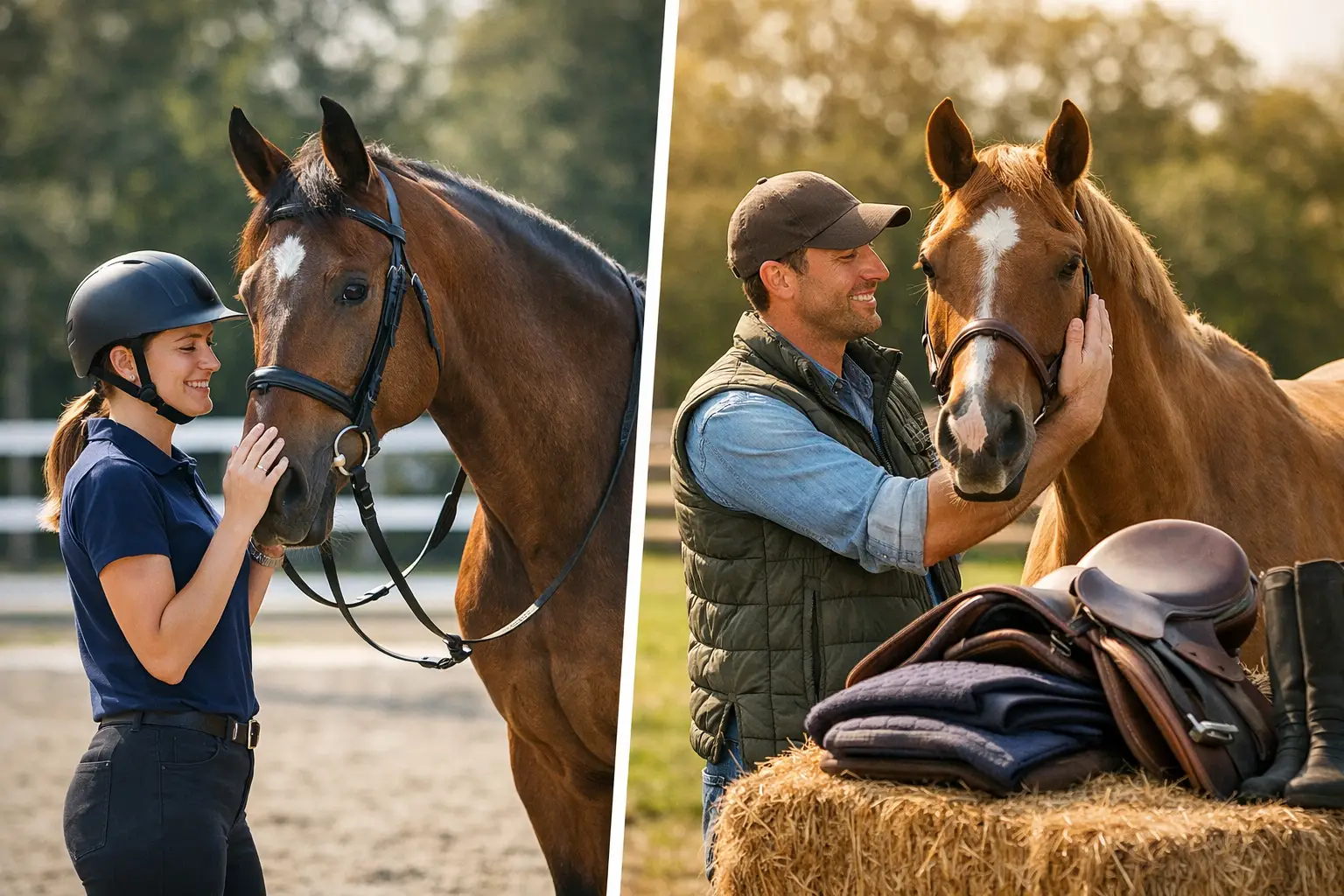
A rider is making steady progress, asking for more saddle time, and starting to feel truly connected to one horse. That is usually the moment families begin weighing horse lease vs ownership. It is an exciting step, but it is also one that deserves clear thinking, honest budgeting, and a realistic look at how much time and support you truly have.
For some riders, leasing is the smartest way to build consistency without taking on the full responsibility of ownership. For others, buying a horse makes sense because their goals, schedule, and long-term commitment line up. Neither path is automatically better. The right choice depends on the rider, the horse, and the kind of program needed to keep both safe, happy, and progressing.
Horse lease vs ownership: the real difference
The biggest difference between leasing and owning is not simply who writes the bigger check. It is who carries the long-term responsibility.
In a lease, the rider has regular access to a horse for lessons, practice rides, and sometimes shows, depending on the agreement. The horse still belongs to someone else, and major decisions often remain with the owner or trainer. This can give a rider more consistency than weekly lessons alone while keeping the overall commitment more manageable.
With ownership, the horse is fully yours. That means the joy of building a long-term partnership, but it also means every veterinary bill, every training decision, every schedule change, and every care need lands with you. Ownership brings freedom, but it also brings responsibility that does not pause when life gets busy.
That distinction matters, especially for families with young riders. A child may be ready for more riding time, but the household may not yet be ready for the cost and daily responsibility of owning a horse.
When a lease makes the most sense
Leasing is often the best next step for riders who are serious, growing in skill, and not quite ready for the full weight of ownership. It offers more repetition, more familiarity, and more opportunity to practice what is being taught in private lessons.
For young riders, that consistency can be incredibly valuable. Riding the same horse regularly helps build feel, timing, and confidence. It also teaches responsibility in a structured way. The rider begins to understand scheduling, tack care, grooming habits, and horse management, but with guidance still in place.
A lease also gives families room to learn what they really want. Some riders believe they are ready to own, then discover that a few extra rides each week meet their goals beautifully. Others lease for a season and realize they are eager for a deeper commitment. That is useful information, and it is much easier to gather before purchasing a horse than after.
From a financial standpoint, leasing usually lowers the barrier to entry. While exact terms vary, a lease often avoids some of the large upfront costs of purchase and can reduce exposure to major long-term commitments. That does not mean leasing is cheap. It still requires a meaningful investment. But it can be a more measured way to step forward.
When ownership is the better fit
Ownership tends to make sense when the rider has clear long-term goals, the family understands the financial commitment, and the support system is already in place. It is often a strong fit for riders who are training consistently, competing more seriously, or ready to develop a partnership that is truly their own.
There is a unique value in knowing your horse inside and out. Over time, you learn what helps them relax, how they respond to different rides, what management routine keeps them feeling their best, and where your partnership still needs work. That level of connection is one of the most meaningful parts of ownership.
Still, ownership asks for patience and flexibility. Horses need care whether or not your week goes according to plan. Weather changes, school schedules, travel, work demands, and unexpected vet needs all become part of the equation. A family may have the heart for ownership but still need to ask whether they have the time and structure to support it well.
For adult amateurs, ownership can be deeply rewarding, but it should match real lifestyle capacity, not just aspiration. For parents of young riders, it is worth remembering that children grow, interests evolve, and competition goals can change. A horse should fit the rider now, but the decision should also account for where the rider is likely to be in a year or two.
Cost is about more than the purchase price
One of the most common mistakes in the horse lease vs ownership conversation is focusing too heavily on the cost to buy a horse while underestimating the cost to keep one.
Ownership includes board, routine veterinary care, farrier work, dentistry, supplements when needed, tack and equipment, training, lessons, and possible show expenses. Then there are the unexpected costs. Even a well-managed horse can need diagnostics, treatment, rehab, or changes in care that stretch the budget quickly.
A lease can simplify some of that, but families should still ask detailed questions. What does the lease fee include? Are lessons required? Who covers veterinary expenses if the horse is injured? How many rides are included each week? Can the horse be shown? Is the lease exclusive, or shared with other riders?
The healthiest decision is usually the one that leaves room in the budget for quality instruction and proper horse care. A lower-cost purchase is not always the more affordable path if it compromises the rider's training program or the horse's management.
Skill level matters more than enthusiasm
Excitement is part of good horsemanship. It should not be the only factor.
A rider may love horses deeply and still need more time before ownership makes sense. The question is not just whether the rider is committed. It is whether they have enough independent skill, emotional consistency, and coachability to benefit from the added responsibility.
Leasing can bridge that gap beautifully. It allows riders to practice decision-making while still working within a supported framework. They learn how to ride through good days and challenging ones. They learn that horses are not machines, and progress is rarely perfectly linear.
That lesson is especially important for developing riders in jumping and dressage. Growth comes from repetition, patience, and careful coaching. More saddle time helps, but only when it is paired with structure and thoughtful horse management.
The support system behind the decision
A horse decision should never be made in isolation. The right program matters as much as the horse itself.
Whether you lease or own, riders benefit most when they are in an environment that prioritizes safety, individualized instruction, and sound horse care. Private coaching, clear communication, and a well-managed facility create the kind of consistency that helps riders progress without losing sight of horsemanship.
This is where boutique programs can be especially valuable. In a smaller, attentive setting, it is easier to match a rider with the right horse, monitor progress closely, and make adjustments before small issues become bigger ones. Families often feel more confident when they know their rider is not getting lost in a high-volume system.
At Eden Hills Equine, that kind of individualized attention is central to how riders and horses develop. For families deciding between a lease and ownership, having experienced guidance can make the process far more thoughtful and far less overwhelming.
Questions to ask before you choose
Before moving forward, it helps to ask a few honest questions. Does the rider need more consistency, or do they truly need their own horse? Is the current budget strong enough to support not just access to a horse, but quality care and coaching? Is the family prepared for the schedule that comes with ownership? And just as important, does the rider have the maturity to handle both progress and setbacks?
If the answers are still forming, that is not a sign to rush. It is a sign to choose the option that allows room to grow.
Leasing can be a smart, confidence-building step that gives riders real experience without demanding full ownership too soon. Ownership can be a wonderful investment when the rider, family, and program are ready for it. The best choice is the one that supports steady development, responsible horsemanship, and a horse's well-being at every stage.
A good next step should make a rider more capable, not more overwhelmed. If you choose from that place, you are far more likely to make a decision that feels right long after the excitement of the moment has passed.