

What Defines a Boutique Horse Boarding Facility?
A boutique horse boarding facility offers personalized care, focused training, and a safer, lower-volume environment for horses and riders alike.
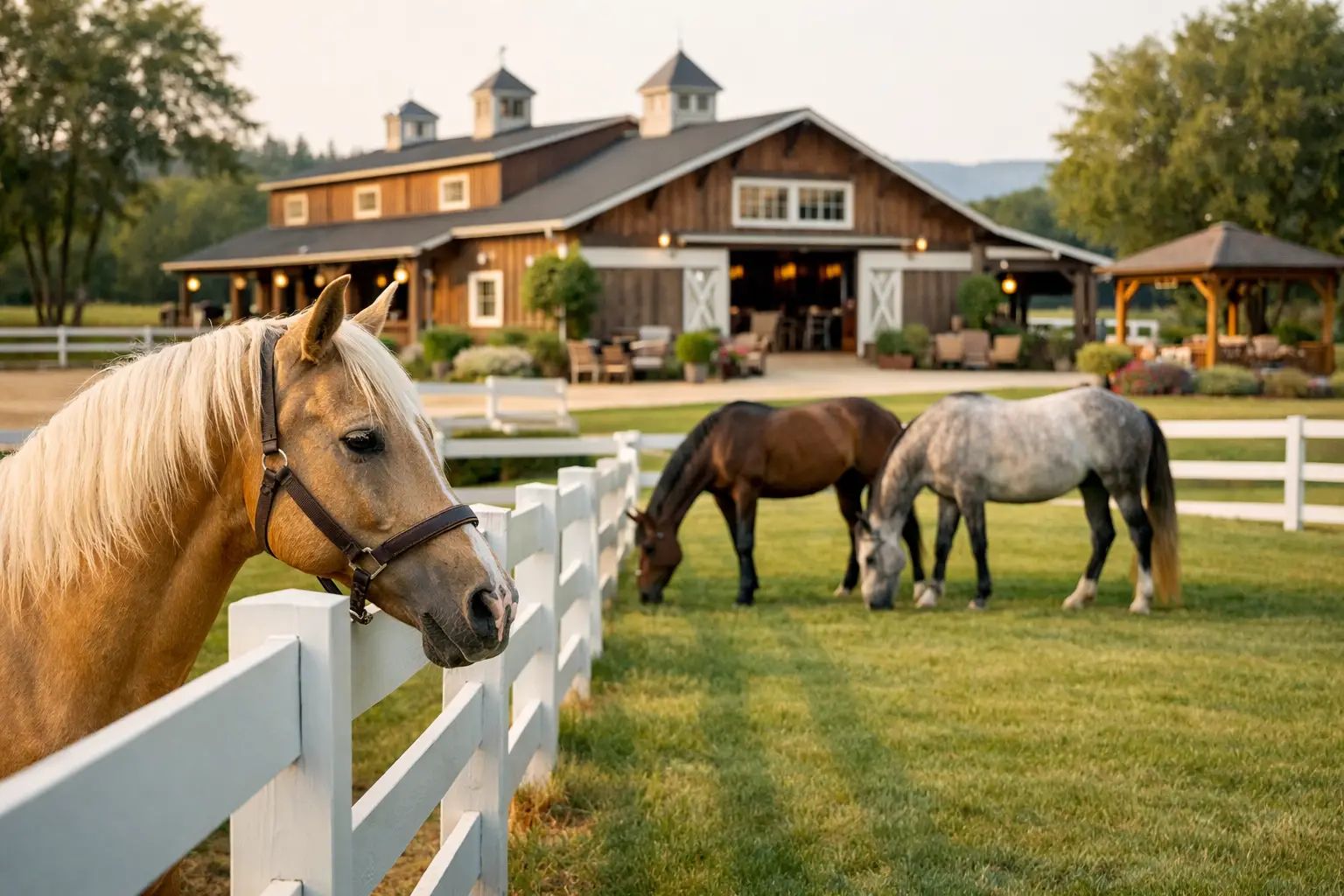
If you have ever walked into a busy barn and felt like your horse was just one more name on a feeding chart, you already understand why a boutique horse boarding facility appeals to so many owners. The difference is not about luxury for the sake of appearances. It is about a more attentive setting where horse care, rider development, and daily management are handled with greater precision.
For many families and horse owners, boarding is not simply a place to keep a horse. It is the environment that shapes health, behavior, confidence, and progress under saddle. That is why the size, structure, and philosophy of a barn matter so much. A boutique model tends to attract people who want consistency, communication, and a program built around the needs of each individual horse and rider.
What a boutique horse boarding facility really means
A boutique horse boarding facility is usually smaller by design. That lower-volume approach allows for more direct oversight, more intentional care, and a better understanding of each horse's routines, preferences, and changing needs. Instead of running like a high-traffic operation, it functions more like a carefully managed program where details are noticed early.
That can affect nearly every part of the boarding experience. Feeding is not treated as a one-size-fits-all task. Turnout is planned with safety and compatibility in mind. Conditioning, lesson goals, and training support can be adjusted as a horse or rider progresses. Owners often value the fact that their questions are answered by people who know their horse personally, not by someone filling in for the day.
This kind of environment also tends to support stronger horsemanship. Riders are not just getting saddle time. They are learning how thoughtful horse care connects to soundness, performance, and long-term confidence.
Why smaller often means better attention
At a smaller facility, there is simply more room for observation. Changes in appetite, movement, attitude, hydration, and recovery are easier to spot when the barn is not stretched thin. That matters for every horse, but especially for horses in training, young riders' mounts, senior horses, and animals with special management needs.
Owners often underestimate how much peace of mind comes from this kind of daily familiarity. A horse that seems slightly off, unusually tense, or less comfortable in work may need a small adjustment before the issue becomes bigger. In a boutique setting, there is a better chance those changes are noticed quickly.
That does not mean every small facility is automatically excellent, and it does not mean a larger operation cannot provide strong care. It does mean that a boutique model creates better conditions for individualized attention if the program is well managed. The real value is not the label. It is the level of hands-on oversight behind it.
The horse care standard should be visible
Premium care should be easy to recognize in daily practice. Clean stalls, consistent feeding routines, thoughtful turnout, and safe fencing are not extras. They are the baseline. In a boutique environment, these standards are usually tied to a clear management philosophy rather than handled as disconnected chores.
Look for signs that the facility takes horse welfare seriously from every angle. Are horses presented calm and comfortable? Does the property feel organized and intentionally designed for safety? Are there clear routines around turnout, handling, and training? The best programs create an atmosphere where both horses and riders can settle into predictable, productive work.
For owners in full-care programs, one of the biggest benefits is the ability to trust that daily needs are being met without constant follow-up. That trust is earned through consistency. It comes from seeing that your horse's condition, routine, and development are being monitored by people who care about outcomes.
Training and boarding work best when they support each other
One of the strongest advantages of a boutique horse boarding facility is that care and training are often more connected. That is especially valuable for riders who want measurable progress, not random rides that depend on the week going smoothly.
When instructors and barn management understand the full picture, they can make smarter decisions. A horse that feels heavy in the bridle, resistant in transitions, or tired after a schedule change may need more than a stronger ride. Sometimes the answer is in turnout, conditioning, recovery, or routine. When care and coaching are aligned, the horse-and-rider pair gets more thoughtful support.
This matters for children and teens as much as it does for competitive riders. Young riders benefit from structured learning in an environment where expectations are clear and instruction is individualized. Adult amateurs often appreciate the same thing. They want quality feedback, realistic goals, and a setting where they can build confidence without getting lost in the crowd.
At Eden Hills Equine, that personalized model is a meaningful part of the experience. Private instruction, individualized training support, and attentive horse care create a program where progress is easier to track and easier to trust.
A lower-volume environment can improve safety
Safety is one of the most practical reasons families choose a boutique setting. A barn with fewer moving parts often allows for calmer scheduling, more controlled traffic flow, and better supervision during lessons, turnout, and horse handling. That does not eliminate risk, because horses are horses, but it can reduce unnecessary chaos.
Parents of new riders often notice this right away. They are not just looking for a teacher who can explain riding skills. They want an environment where children learn responsibility, barn manners, and horse sense in a thoughtful way. A quieter, more organized setting supports that learning process.
For horse owners, safety also includes the physical design of the ranch. Arena footing, fencing, stall layout, wash areas, trailer access, and turnout planning all contribute to the daily experience. Good design does not draw attention to itself, but poor design always does. A boutique facility with a safety-first layout can make training more productive and routine care less stressful.
Not every rider needs the same type of barn
A boutique environment is not automatically the right fit for everyone. Some riders want the social energy and constant activity of a larger lesson program. Some owners prioritize access to a very specific competition circuit or prefer a different style of training structure. That is where honest evaluation matters.
If you want deeply individualized coaching, premium daily care, and closer communication, a boutique model often makes sense. If your priorities lean more toward high-volume activity, a broad lesson schedule, or a different kind of community experience, another setup may suit you better. The key is choosing a program that matches your goals instead of assuming every boarding arrangement offers the same value.
That is also true financially. Boutique care often reflects a higher level of attention and a more personalized service model. For many owners, the trade-off is worth it because they are paying for consistency, oversight, and a stronger day-to-day experience for their horse.
What to ask before choosing a boutique horse boarding facility
The best questions go beyond price and amenities. Ask how horses are monitored day to day. Ask how feeding, turnout, and training are individualized. Ask who is on-site, how communication works, and what kind of support is available if your horse's needs change.
If riding instruction matters to you, ask how lessons are structured and whether coaching is tailored to the rider's stage of development. If your horse is in work, ask how boarding and training complement each other. You want to know whether the program is simply convenient or genuinely integrated.
It also helps to pay attention to the atmosphere. A good facility feels professional, but also steady and welcoming. Horses should look well cared for. Riders should look supported. The daily operation should feel intentional, not improvised.
A boutique barn should make your horse feel known, not processed. It should make your riding goals feel possible, not secondary to a crowded schedule. When the right care, instruction, and environment come together, boarding becomes more than a service. It becomes the foundation for better horsemanship, better confidence, and a better life for the horse you love.