

How Much Do Private Horse Lessons Cost?
How much do private horse lessons cost? Learn typical price ranges, what affects lesson rates, and how to judge value for riders and families.
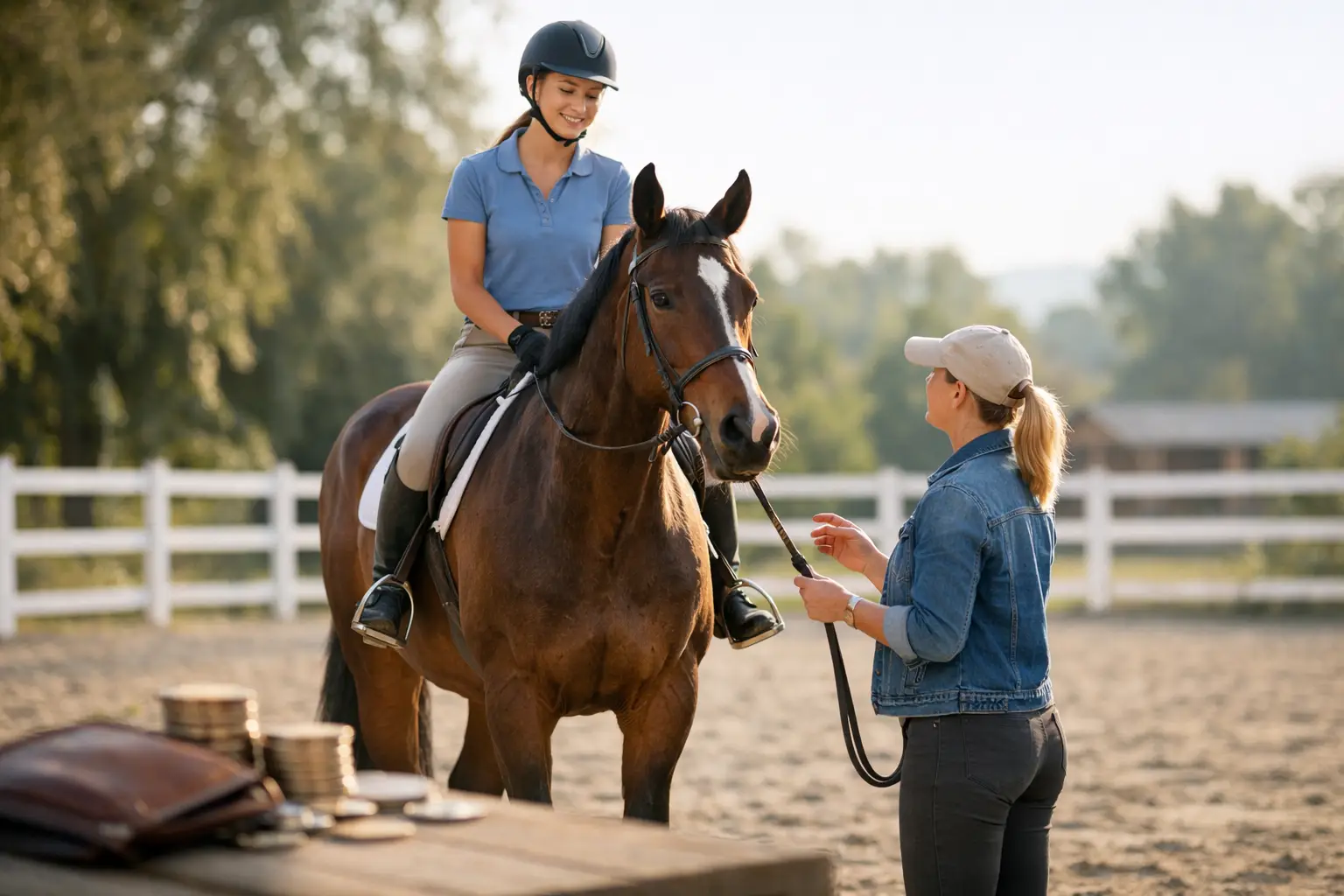
A parent sees one lesson listed at $55 and another at $110, and the difference can feel hard to justify at first glance. But when families ask how much do private horse lessons cost, the real answer is not just about time in the saddle. It is about instruction quality, safety, horse care, and how much personal attention a rider receives from start to finish.
Private lessons are often priced higher than group lessons for a simple reason: the rider gets the trainer’s full focus. That usually leads to more precise feedback, faster correction of habits, and a lesson plan tailored to the rider’s goals, confidence level, and learning style. For beginners, that can mean a safer and less overwhelming introduction to horses. For experienced riders, it can mean more efficient progress in flatwork, jumping, dressage, or show preparation.
How much do private horse lessons cost on average?
In many markets, private horse lessons typically fall somewhere between $60 and $150 per session. In some areas, beginner-friendly programs may sit near the lower end of that range, while highly specialized instruction, premium facilities, or advanced competitive coaching can push rates higher.
That wide range is normal. A 30-minute private lesson with a school horse will not be priced the same as a 60-minute session that includes horse preparation, advanced coaching, and access to a carefully maintained training environment. If a rider is using a leased or owned horse, pricing may also look different than a standard lesson-horse rate.
For most families, the more useful question is not just what a single lesson costs, but what the monthly commitment will be. One weekly private lesson at $75 adds up differently than two lessons per week at $95 each. Once riding becomes a regular part of a child’s routine or an adult rider’s training plan, consistency matters just as much as the single-session price.
What affects private horse lesson pricing?
Lesson length
One of the biggest factors is time. A 30-minute private lesson often works well for very young riders, nervous beginners, or focused skill-building sessions. A 45- or 60-minute lesson may include more warm-up time, more detailed instruction, and a broader training focus.
Longer is not always better, especially for newer riders who tire quickly. But lesson length does influence cost, and families should make sure they are comparing similar formats when looking at prices.
Instructor experience and specialization
An experienced trainer brings more than riding knowledge. They bring judgment, horse sense, safety awareness, and the ability to teach different personalities effectively. That matters for a first-time child rider, but it matters just as much for an adult amateur trying to improve position or a competitive rider developing more advanced skills.
If instruction includes expertise in areas like jumping, dressage, show prep, or horse-and-rider development over time, that often raises lesson value and price. You are not only paying for a block of time. You are paying for a trained eye and a structured approach.
The horse used in the lesson
A suitable lesson horse is one of the most valuable parts of a riding program. Calm, educated, well-managed horses do not happen by accident. They require consistent care, soundness management, training, and thoughtful matching with riders.
When lesson pricing includes use of a reliable school horse, part of that cost supports feed, farrier care, veterinary care, tack, conditioning, turnout, and ongoing training. Families new to riding sometimes underestimate this piece, but it is central to both safety and learning quality.
Facility standards and amenities
The environment matters. Clean, organized, safety-minded facilities often reflect a program that is serious about horse care and instruction. Good footing, secure fencing, well-maintained arenas, functional tack areas, and a calm barn atmosphere all shape the lesson experience.
For riders working in jumping or dressage, specialized spaces and equipment can also affect price. The cost may be higher in a boutique setting, but that higher rate often supports a more intentional and lower-volume experience.
Level of personalization
Not all private lessons are equally private in practice. In some programs, the rider receives true one-on-one attention with a customized lesson plan and direct trainer feedback throughout. In others, a so-called private lesson may still involve distractions, overlapping riders, or less individualized coaching than expected.
That distinction matters. A rider who receives carefully targeted instruction is likely to progress more efficiently than one getting generic direction. Over time, that can make a higher lesson rate the better value.
What is usually included in the price?
This is where families and riders should ask questions. Some private horse lessons include grooming, tacking, basic horsemanship instruction, and cooldown time. Others are strictly mounted sessions, with separate expectations around arrival, horse prep, or post-ride care.
A beginner program may include more hands-on education around safety, handling, and responsibility on the ground. That is not extra fluff. It is part of becoming a capable rider. Horsemanship often improves confidence in the saddle because riders understand the horse, not just the riding cues.
Some programs also bundle scheduling consistency, trainer communication, progress tracking, or access to a more individualized development plan into the lesson fee. That kind of structure can be especially valuable for parents who want their child in a program with clear goals rather than occasional rides without direction.
Why private lessons sometimes cost more than expected
Horseback riding is different from many youth activities because every lesson depends on the care of a living animal. The horse must be healthy, fit, properly trained, and suitable for the rider. The instructor must manage safety, adapt the lesson in real time, and protect both horse and student.
There is also a limit to how many truly high-quality private lessons a trainer can teach in a day without compromising standards. In a boutique program, lower volume often means more trainer access, more thoughtful horse matching, and more consistent oversight. That can raise rates, but it can also raise the quality of the entire experience.
For serious riders and families who want steady progress, this matters. Paying a little more for focused instruction can prevent months of stalled development, mismatched horses, or avoidable confidence setbacks.
How to judge value, not just price
If you are comparing lesson options, look beyond the number on the page. A lower rate is not automatically a better deal, and a higher rate is not automatically worth it. The right fit depends on what the rider needs.
A beginner child may benefit most from a program where safety, patience, and horsemanship education are built into every lesson. A teen rider with competitive goals may need more technical coaching and a horse that supports correct development. An adult rider returning after years away may value encouragement, thoughtful pacing, and an instructor who understands confidence rebuilding.
Ask what the lesson includes, how horses are selected, whether progress is tracked, and how much one-on-one coaching the rider will really receive. Notice whether the program feels calm, organized, and attentive. Price tells you something, but the learning environment tells you more.
Should you choose private lessons or group lessons?
Private lessons are usually the better choice when a rider is brand new, returning after a bad experience, working through confidence issues, or trying to make specific technical progress. They are also helpful when a rider has very individual goals or benefits from more direct communication.
Group lessons can be a good option for riders who already have some basics and enjoy learning alongside peers. They may cost less per session, but they also divide the trainer’s attention. That trade-off can be perfectly reasonable for some riders and less ideal for others.
In many cases, families start with private lessons to build a strong foundation and later decide whether adding group experience makes sense. There is no one right path. The best choice is the one that supports safe, steady development.
A realistic monthly budget for private riding instruction
If a rider takes one private lesson per week, many families may spend roughly $240 to $600 per month depending on the lesson rate and program style. Riders training more than once a week, preparing for shows, or combining lessons with leases or training services should expect a higher monthly investment.
That number can sound significant, and honesty around budget is important. Riding is a meaningful commitment. But for families seeking a structured activity that builds discipline, responsibility, confidence, and real horsemanship, private instruction often offers value well beyond the lesson itself.
At a program like Eden Hills Equine, where one-on-one instruction and individualized rider development are central to the experience, that investment is tied to focused coaching, safety-minded teaching, and a setting designed for long-term progress.
The best next step is not to hunt for the cheapest rate. It is to find a program where the rider is safe, the horses are well cared for, and every lesson has a purpose. That is where confidence grows, skills take hold, and the cost starts to make sense.