

How Much Horse Boarding Costs in Texas
Learn how much horse boarding costs in Texas, what affects monthly rates, and how to compare care, training, and amenities before you commit.
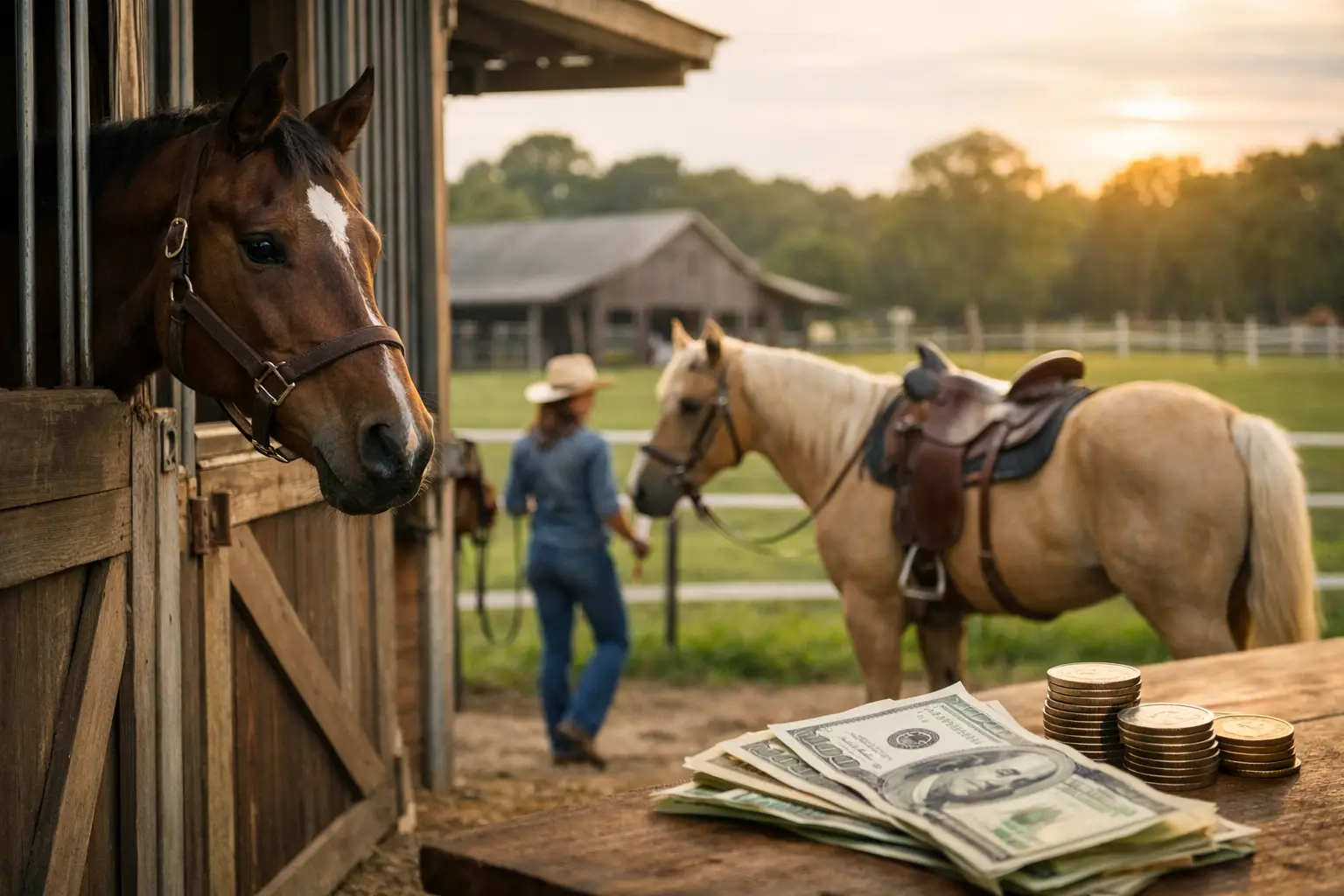
If you are pricing out horse ownership, the first number that usually matters most is how much horse boarding costs each month. That number can vary widely, and for good reason. Boarding is not just stall space or pasture access. You are paying for daily care, facility standards, staff oversight, feeding routines, turnout management, and the level of attention your horse receives when you are not there.
For many families and adult riders, the surprise is not that boarding costs money. It is that the monthly rate can mean very different things from one program to the next. A lower price may fit a simple setup with fewer services included. A higher price may reflect full-care management, better footing, more individualized attention, stronger safety standards, and an environment that supports both horse welfare and rider progress.
How much horse boarding costs depends on the type of board
The biggest factor in pricing is the type of care your horse will receive. In most cases, pasture board is the least expensive option, followed by partial-care arrangements, with full-care stall board at the higher end. Training board and premium boutique programs usually cost more because they include additional labor, expertise, and oversight.
Pasture board often includes turnout, access to shelter, water, and basic feeding. It can be a practical choice for horses that do well living outside and owners who want a more economical monthly option. But lower cost does not always mean lower quality. The real question is whether the pasture is well maintained, the fencing is safe, the herd management is thoughtful, and the horse is being monitored carefully.
Stall board usually costs more because it involves more hands-on labor. Staff may handle stall cleaning, turnout, feeding multiple meals, blanketing, holding for vet or farrier visits, and closer day-to-day observation. For some horses, especially those in regular work or on specialized feeding plans, that added structure matters.
Training board sits in a different category. This typically includes boarding plus a set number of training rides, lessons, or conditioning sessions each week. For owners who want professional support with fitness, behavior, competition preparation, or rider development, training board can offer better value than paying for all of those services separately.
What is usually included in monthly horse boarding costs?
This is where careful comparison matters. Two boarding programs may quote very different prices, but the real difference is often in what is included and what will be billed later.
A monthly board rate may cover hay, grain, water, turnout, stall cleaning, and basic daily observation. It may also include use of the arena, round pen, wash rack, tack storage, or trails if available. In a more full-service setting, it can also cover blanketing, fly mask changes, basic medication administration, and scheduling support for routine horse care.
Some costs are commonly extra. These may include specialty grain, supplements, medical care, rehab support, clipping, bodywork, extra stall bedding, lessons, training rides, or handling for outside professionals. If your horse has unique needs, those details can change your real monthly number more than the advertised base price.
That is why experienced owners usually ask a simple question early on: what does this rate actually include in daily life? It is a better question than asking only for the cheapest number.
What affects how much horse boarding costs?
Care level is only part of the picture. Boarding rates are shaped by labor, property costs, feed quality, facility upkeep, and how much management attention each horse receives.
Labor is a major expense in any well-run program. Feeding, turnout, stall cleaning, grooming support, night checks, and health monitoring take time and experience. A facility that keeps staffing consistent and horse care organized will often reflect that in its pricing.
Feed and forage quality also matter. Hay prices fluctuate, and horses with higher nutritional needs can cost more to maintain properly. Clean water systems, safe fencing, and reliable footing are not small details either. They directly affect safety, soundness, and the day-to-day experience for both horse and rider.
Then there is the question of volume. In a lower-volume, boutique environment, horses and riders may receive more personalized attention. That usually comes at a premium, but many owners see the value quickly. If your horse's appetite changes, a shoe goes loose, or a rider needs extra guidance, being in a program where those things are noticed early can make a meaningful difference.
Horse boarding costs are also shaped by your goals
A horse that is retired, easy-keeping, and happiest outdoors may not need the same setup as a junior jumper, a dressage prospect, or a lesson horse in a structured training plan. Boarding should fit the horse, but it should also fit the owner's goals.
For a family with a young rider, the best value may be a program that combines full-care boarding with trainer access, private instruction, and a safe, organized environment. For an adult amateur trying to make steady progress, it may be worth paying more for dependable arena access, quality footing, and coaching that supports long-term development.
This is where people sometimes overspend in the wrong direction. They pay for amenities they do not use, or they choose a lower monthly rate and then add enough extras that the total ends up higher than expected. Looking at your horse's needs and your riding goals together usually leads to a better decision.
A realistic way to compare horse boarding prices
When owners compare options, it helps to look beyond the headline number. A monthly rate should be weighed against care standards, communication, and the condition of the horses already on the property.
Start by asking how feeding is managed, how turnout groups are selected, and who notices health changes day to day. Ask how often stalls are cleaned, what happens if your horse is injured, and whether someone lives on-site or regularly monitors the property after hours. Those answers tell you far more than a brochure-style list of amenities.
It is also wise to ask how scheduling works for lessons, training rides, vet visits, and farrier appointments. Convenience has value. So does consistency. A horse in regular work benefits from a program where care, training, and communication are aligned instead of patched together.
You should also pay attention to the atmosphere. A clean, calm, professionally run barn tends to support safer handling and better routines. That matters for children, first-time horse owners, and experienced riders alike.
Why the cheapest board is not always the most affordable
This is one of the biggest lessons new horse owners learn. A lower monthly price can become expensive if it leads to inconsistent feeding, poor footing, preventable injuries, stressful herd dynamics, or a lack of support when something goes wrong.
The opposite can also be true. A higher board rate may reduce surprise expenses because more is included, care is more consistent, and problems are caught earlier. If a horse stays healthier, remains in work, and receives better day-to-day management, the total cost of ownership can feel more predictable.
That does not mean every owner needs a premium setup. It means the right fit is about value, not just price. Good boarding supports the horse's physical health, the rider's progress, and the owner's peace of mind.
How much horse boarding costs for families and serious riders
For parents, board is often part of a larger decision about how a child will learn and grow in the sport. A well-managed program offers more than horse care. It creates structure, accountability, and a safer learning environment where riders can build skill with confidence.
For dedicated riders and owners, board is also about access to support. When training, instruction, and horse management work together, progress tends to be more consistent. That is one reason boutique programs appeal to families and adult amateurs who want quality over volume. At Eden Hills Equine, that individualized approach is central to how horses are cared for and how riders develop.
Before you commit, think about the full picture. Ask what your horse needs, what kind of support you want, and how much daily oversight matters to you. The right boarding program should feel like a partnership, not just a place to keep your horse.
A good monthly rate is not simply the lowest one on the page. It is the one that gives your horse excellent care, gives you confidence, and supports the kind of riding life you actually want to build.