

How to Find Private Horse Lessons Near Me
Searching for private horse lessons near me? Learn what to look for in coaching, safety, facilities, and fit for riders of every age.
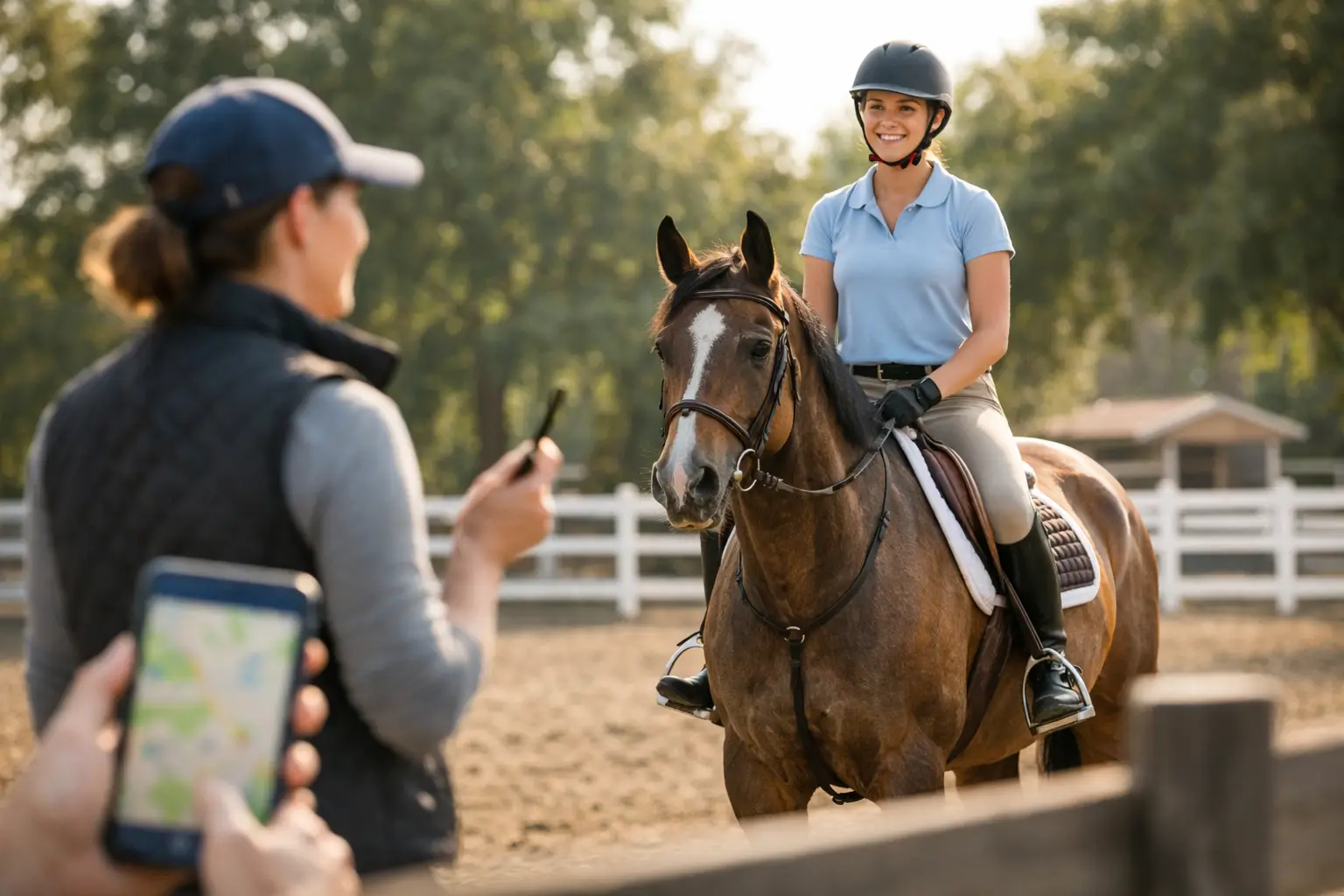
Typing private horse lessons near me into a search bar is easy. Figuring out which program will actually help you or your child grow as a rider takes a little more thought.
Not all private instruction means the same thing. In some programs, private lessons are simply a quieter version of a group class. In others, they are truly individualized sessions built around the rider’s goals, confidence level, and safety needs. That difference matters, especially for beginners, young riders, and horse owners who want consistent, measurable progress.
Why private horse lessons near me can be the right choice
Private riding instruction offers something many riders need but do not always get in a busy lesson setting - full attention. The instructor can watch every transition, every position change, and every reaction from both horse and rider. Small issues are corrected early, before they become habits.
For new riders, that often means a stronger foundation. A child learning how to steer, stop, post, and balance benefits from calm, direct coaching without the distraction of keeping up with a group. For nervous riders, private lessons can reduce pressure and create space to ask questions. For more experienced riders, one-on-one instruction allows for more technical work in flatwork, jumping, or dressage without having to pause for the needs of several other students.
There is also a horse-care side to private instruction that families often appreciate. In a thoughtful program, horsemanship is not treated as extra. Riders learn how to approach a horse safely, read behavior, groom correctly, tack up properly, and handle the animal with respect. Those details build confidence, but they also build judgment.
What to look for when comparing private horse lessons near me
The best fit is not always the closest facility or the cheapest lesson rate. Riding is a skill-based sport built on trust, safety, and repetition, so the quality of instruction matters more than convenience alone.
A real focus on individual coaching
Ask how lessons are structured. A true private lesson should be tailored to the rider, not just delivered one student at a time. The instructor should be able to explain how they assess skill level, set goals, and adjust instruction over time.
That might look different depending on the rider. A beginner may need steady work on basics and confidence. A teen rider may be ready for more discipline and accountability. An adult amateur may want to return to riding after years away and needs a patient, professional restart. A horse owner may want help improving communication with their own horse rather than learning on a school horse. The right program recognizes those differences.
Strong safety standards
A polished website and pretty barn photos are nice, but safety systems matter more. Look for clear lesson procedures, well-maintained arenas, safe footing, appropriate tack, and calm horse handling. Ask how beginner riders are introduced, how horses are matched to students, and how instructors manage nerves or unexpected behavior.
A safety-first environment is not stiff or intimidating. It is organized. Riders know what is expected. Parents understand the process. Horses are handled with care. That kind of structure creates a more relaxed experience because everyone knows the standard.
Quality horses and thoughtful matching
The lesson horse plays a huge role in rider development. A good match can help a student feel secure while still learning. A poor match can create fear, confusion, or slow progress.
This is one place where private lessons often stand out. With only one rider in the session, the trainer has more flexibility to choose a horse that supports that rider’s current needs. Some days that may mean a steady confidence-builder. Other days it may mean a horse that asks for more accuracy and refinement.
Facilities that support learning
A boutique equestrian program does not need to feel flashy, but it should feel intentional. Clean, functional spaces tell you a lot about how horses and riders are cared for. Look for arenas that are appropriate for instruction, safe fencing, organized tack areas, and an overall sense that the property is managed carefully.
If a rider is interested in English disciplines such as jumping or dressage, the facility should also support that training. The environment shapes the lesson experience more than many families realize.
How private lessons help different types of riders
One reason private instruction is worth considering is that it adapts well to different goals.
For children, private lessons often create a more secure and positive start. The instructor can teach not only riding skills but also patience, focus, and responsibility. Young riders tend to benefit when expectations are clear and progress is built step by step.
For teens, one-on-one coaching can bring more accountability. Riders at this stage often want to improve more seriously, and private lessons give them room to work on precision, consistency, and confidence under guidance.
For adults, privacy can be a relief. Many adult riders feel self-conscious starting for the first time or returning after a long break. A calm, professional lesson setting makes it easier to rebuild confidence and enjoy learning again.
For horse owners, private coaching can be especially valuable because the training is not generic. It can focus on the actual horse they ride, the issues they are facing, and the goals they want to reach as a pair.
Questions worth asking before you book
Before committing to a program, it helps to have a real conversation. Ask what a first lesson includes and whether riders begin with an evaluation. Find out how instructors track progress and when they recommend lesson frequency. Weekly lessons are common, but some riders may need more repetition while others do well with a steady once-a-week schedule plus practice.
You should also ask what is expected outside the saddle. Some programs include grooming and tacking as part of the learning process, while others keep the lesson focused only on riding time. Neither approach is automatically wrong, but they serve different goals. If your family values horsemanship education, make sure that is part of the experience.
It is also reasonable to ask about instructor involvement. In a smaller, more attentive program, communication tends to be clearer and the rider’s development is monitored more closely. That can make a significant difference over time.
When private lessons may be better than group lessons
Group lessons are not inherently bad. For some riders, they add camaraderie and can lower the cost per session. But private lessons tend to be the better fit when a rider is very new, very nervous, returning from time away, preparing for competition goals, or working through a specific challenge.
Private instruction is also helpful when progress has stalled. Sometimes a rider does not need more riding time in general. They need better feedback, more precise correction, and a program that pays attention to the details.
That said, it depends on the student. Some riders thrive with occasional private lessons paired with group practice. Others make the best gains in a fully individualized setting. A good trainer will be honest about what supports the rider best, rather than pushing a one-size-fits-all model.
The value of a smaller, more attentive program
Families often notice the difference right away when a facility is designed around quality over volume. There is more room for communication, more consistency in horse care, and more awareness of what each rider is working on. Lessons feel purposeful rather than rushed.
That setting can be especially meaningful for parents who want more than casual entertainment. Riding teaches discipline, resilience, empathy, and responsibility, but those lessons are strongest when the environment supports them. A carefully run program gives riders the chance to develop not only skill, but good habits and sound judgment around horses.
At Eden Hills Equine, that individualized approach is central to the lesson experience. Riders receive one-on-one instruction in a setting built around safety, horsemanship, and steady progress, whether they are just beginning or working toward more advanced goals.
Finding the right fit close to home
When you search for private horse lessons near me, try to look beyond the first result and focus on what the program truly offers. The right lesson environment should feel professional, welcoming, and structured. It should make room for questions. It should prioritize horse welfare and rider safety. And it should give each student a clear path forward.
A good private lesson does more than fill an hour on the calendar. It helps a rider build confidence that lasts, skills that transfer, and a deeper understanding of the horse underneath them. That is the kind of progress worth looking for.