

Top Signs of Quality Horse Care You Can See
Learn the top signs of quality horse care, from daily health checks to safe turnout, skilled oversight, and thoughtful routines that support every horse.
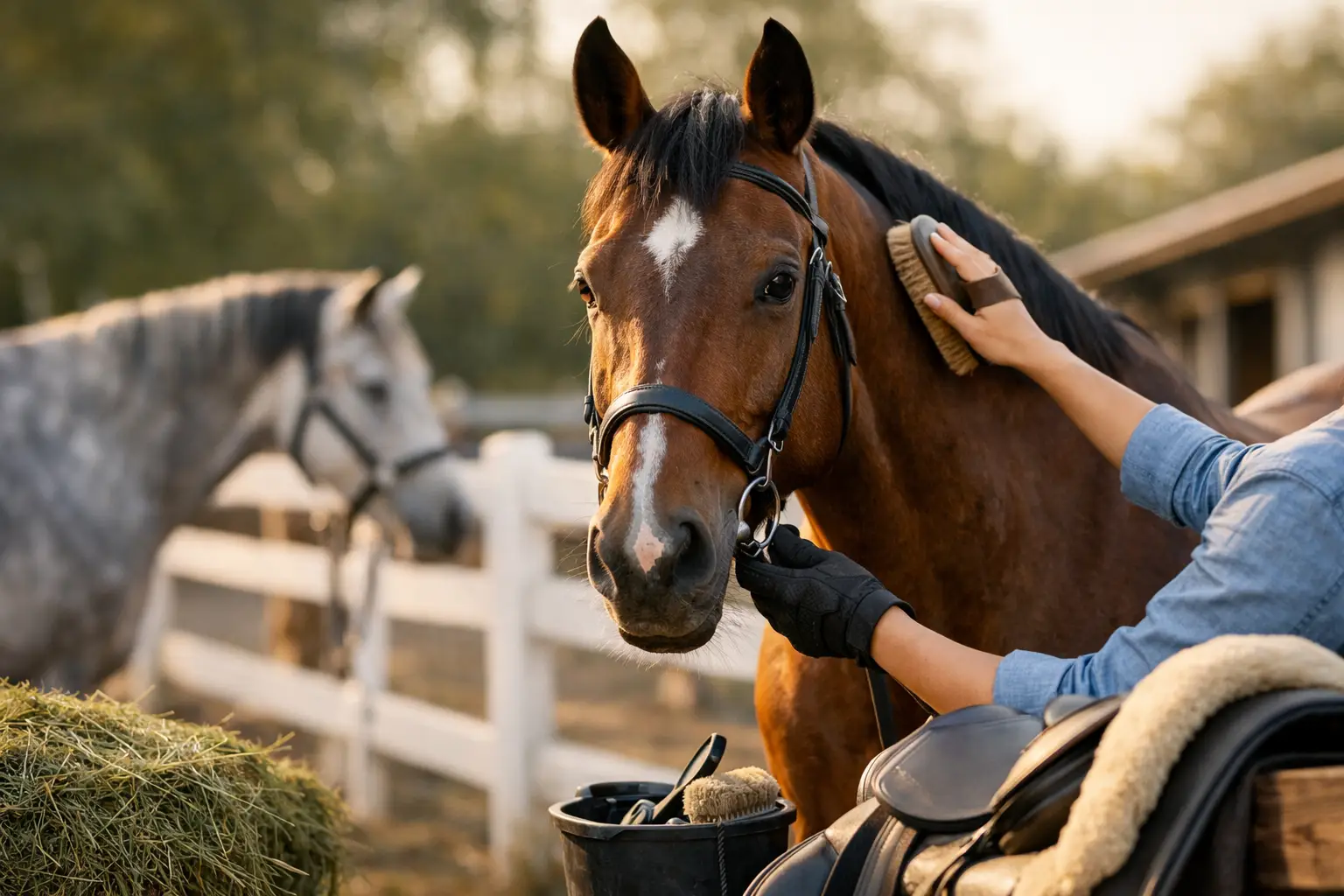
A horse can stand in a clean stall and still be missing the attention that keeps small problems from becoming serious ones. The top signs of quality horse care are usually visible in the daily details: a horse’s comfort, condition, routine, and the knowledgeable people who notice when something changes. Whether you are choosing full-care boarding, evaluating a training program, or helping a young rider learn responsible horsemanship, knowing what to look for can bring real peace of mind.
Top Signs of Quality Horse Care in Daily Barn Life
Quality care begins before a horse is ridden, turned out, or fed. It is built through consistent routines and observant management. Horses thrive on predictability, but their needs are never exactly the same from one day to the next. A thoughtful care program balances dependable schedules with the ability to respond quickly when an individual horse needs something different.
Horses look comfortable, alert, and well maintained
A healthy horse should generally appear bright-eyed, interested in his surroundings, and comfortable in his movement. His coat may change with the season, but it should be clean and reasonably well groomed. His body condition should be appropriate for his age, workload, breed, and health needs, rather than simply being judged by whether he looks round or lean.
Look beyond appearances, too. A horse who is repeatedly rubbing his tail, standing with a tucked-up posture, showing obvious stiffness, or behaving unusually at feeding time may be communicating discomfort. Quality care means these changes are noticed and addressed rather than dismissed as a horse “having a bad attitude.”
Hoof care is another clear indicator. Horses need regular farrier attention suited to their feet, soundness, and discipline. A jumping horse, a dressage horse, a retired companion, and a growing young horse may all need different approaches. What matters is that hooves are not left overgrown, cracked, or neglected and that changes in soundness receive prompt attention.
Feed and water are managed with purpose
Feeding should never be a one-size-fits-all routine. Horses need forage as the foundation of their diet, with hay, pasture access, grain, supplements, or specialized feeds adjusted to their individual requirements. An easy keeper in light work should not necessarily receive the same ration as a hard-working performance horse or a senior horse with dental concerns.
Good management also means knowing why each horse receives what he does. Staff should be able to follow clear feeding instructions, monitor appetite, and recognize when a horse is leaving feed or water. A sudden change in drinking, eating, or manure can be an early warning sign, especially in warm Texas weather when hydration deserves close attention.
Fresh, clean water must be available at all times. Water troughs and buckets need regular cleaning, not just refilling. In hot conditions, horses may need extra monitoring, electrolyte support when appropriate, and management changes that help them stay comfortable during turnout and exercise.
Stalls and turnout areas support health and safety
A tidy barn is reassuring, but cleanliness is about more than a polished appearance. Stalls should be picked regularly, have suitable bedding, and provide enough room for a horse to lie down, turn around, and rest comfortably. Good airflow matters, particularly during humid or dusty weather. Strong ammonia odor, consistently wet bedding, or excessive dust can affect respiratory health and signal that daily care is falling behind.
Turnout should be safe, appropriately fenced, and managed with each horse’s temperament in mind. Some horses are happiest in a compatible group, while others need individual turnout for safety or stress reduction. Quality care is not defined by one turnout model. It is defined by whether turnout decisions are made thoughtfully and reviewed when a horse’s behavior, health, or herd dynamics change.
Fencing, gates, water sources, and footing should be checked routinely. Holes, broken boards, loose wire, slick mud, and damaged gates can create preventable risks. A well-managed property does not assume yesterday’s safe field is automatically safe today.
Skilled Observation Is One of the Most Important Signs
Horses cannot explain that they feel sore, anxious, or slightly off. Their caretakers need to read the small clues. This is where attentive, experienced oversight makes a meaningful difference.
A quality program includes regular wellness checks that go beyond counting horses in their stalls. Caregivers observe appetite, manure, water intake, behavior, visible injuries, leg swelling, and movement. They know which horse normally greets people at the gate, which one takes longer to finish hay, and which one is usually playful during turnout. That familiarity makes changes easier to spot.
Clear communication matters just as much. Owners should be informed when an issue arises, along with the steps being taken and when veterinary or farrier support may be needed. No barn can promise that a horse will never colic, lose a shoe, or come in with a scrape. The meaningful standard is how quickly concerns are recognized, how responsibly they are handled, and how clearly the owner is kept informed.
Training respects the horse’s physical and mental needs
For horses in a lesson, lease, or training program, quality care continues into the arena. A horse should be warmed up appropriately, cooled out after work, and ridden according to his fitness, conditioning, and temperament. Repeatedly asking a tired horse to carry beginners through demanding lessons, or pushing a horse through obvious resistance, is not fair training.
Well-managed programs vary a horse’s work when needed. One horse may benefit from a quiet hack, another from a conditioning ride, and another from a rest day. Young horses need patient education. Experienced school horses need careful workload management because their steady nature can make it easy for people to overlook how much they give.
This is especially valuable for families new to horses. Children learn that good horsemanship includes grooming thoroughly, checking tack fit, cooling a horse out, and putting the horse’s well-being before the next ride. Riding skill grows stronger when it is grounded in that responsibility.
Safety Systems Protect Horses and People
A caring environment should also be an organized one. Safe aisles, secure tack storage, well-maintained equipment, clearly managed turnout, and thoughtful arena footing all contribute to better outcomes. Helmets, appropriate footwear, and supervision are part of a safety-first culture for riders, especially children and new equestrians.
Emergency readiness is another quiet but essential marker of quality. Staff should know where first-aid supplies are kept, how to reach owners, and when a situation requires a veterinarian. Horses are large, sensitive animals, and even routine moments can change quickly. Preparedness allows people to respond calmly rather than react in confusion.
Good facilities also consider how the property functions throughout the day. Separate areas for riding, turnout, grooming, and horse handling can reduce congestion and distractions. For riders pursuing jumping or dressage, well-kept arenas and suitable footing help support consistent training while protecting the horse’s body over time.
Personal Attention Is Not a Luxury
The strongest care programs do not treat horses as stall numbers. They know each horse’s normal routine, preferences, workload, and health considerations. That personal knowledge is easier to maintain in a setting where staff and trainers have the time to be present, communicate, and follow through.
At Eden Hills Equine, individualized attention is part of the larger commitment to horse-and-rider development. For an owner, that means care should connect to the horse’s training plan, physical condition, and long-term needs. For a parent, it means a child’s riding education should include the standards that make horses feel safe, comfortable, and respected.
When you visit a facility, trust what you observe over a single polished feature. Watch how horses are handled when no one is posing for a photo. Notice whether staff speak about them with familiarity, whether riders are taught to care for them before and after a lesson, and whether the daily routine feels calm and purposeful. Those ordinary moments often reveal the level of care your horse will receive.