

Are Private Riding Lessons Worth It for You?
Are private riding lessons worth it? Learn how focused coaching supports safer riding, stronger horsemanship, and steady progress for every rider today.
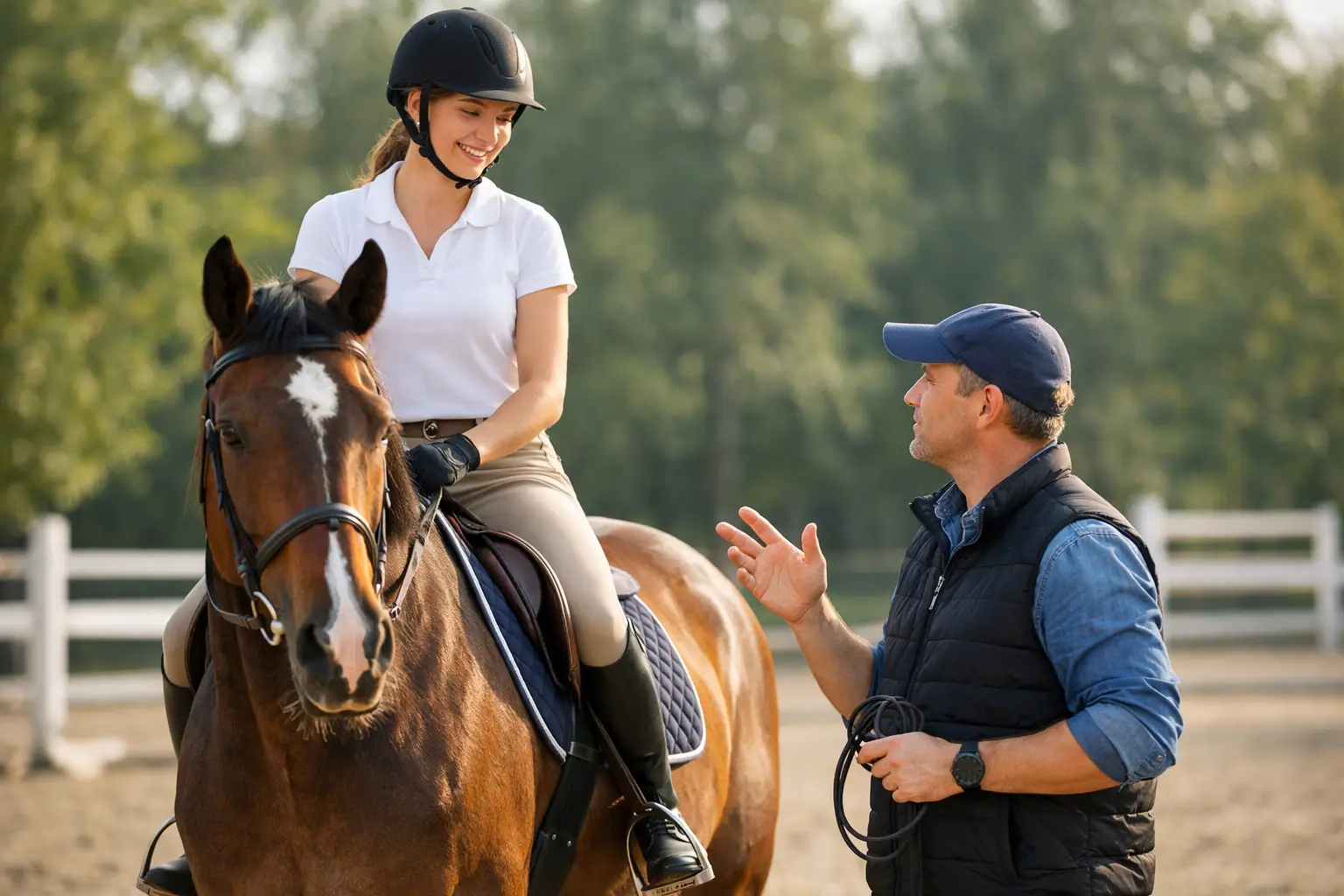
A rider is asking for a canter transition, their heels have slipped forward, and the horse is beginning to rush. In a busy group, that correction may have to wait. In a private lesson, it becomes the lesson: why the position changed, how the horse responded, and what the rider can do differently on the next stride. That focused attention is the central reason are private riding lessons worth it is such an important question for families and adult riders alike.
Private instruction costs more per session than many group programs, so it should offer more than simply having the arena to yourself. The right lesson program provides individualized coaching, a clear progression of skills, meaningful safety oversight, and a stronger understanding of horses. For riders who want to build confidence and ride with correct fundamentals, private lessons are often a worthwhile investment. The value, however, depends on the rider's goals, consistency, and the quality of the instruction.
What Private Riding Lessons Actually Provide
The greatest benefit of a private riding lesson is that the instruction is built around one rider and one horse-and-rider partnership. A trainer can see small details that often affect safety and progress: a rider tipping a shoulder in a turn, gripping with the knee, losing rein contact, looking down at a fence, or failing to prepare the horse before asking for a transition.
Those details matter. Riding is not a skill that develops through explanation alone. Riders need to feel the correction, try it again, and receive feedback while the movement is still fresh. A private format allows the trainer to adjust the exercise in real time. If a child needs more time learning to steer accurately, the lesson can stay there. If an experienced rider is ready to improve a horse's connection through dressage work or develop a more effective jumping position, the session can move forward without asking them to wait for the rest of a group.
Private instruction also makes it easier to set goals that are realistic and measurable. A new rider may work toward independently grooming, tacking up correctly, walking and steering with confidence, and eventually learning to trot with balance. A more advanced rider may focus on a consistent rhythm to a line of jumps, better lead changes, or a horse's straightness and responsiveness. Progress looks different at every level, and a good coach should be able to explain what comes next.
Are Private Riding Lessons Worth It for Beginners?
For many beginners, especially children, private lessons can create a safer and more encouraging introduction to horses. A new rider is learning several things at once: how to approach a horse respectfully, where to stand, how to handle tack, how to use the reins, how to balance in motion, and how to listen to instructions around a large animal. That is a great deal to process.
One-on-one instruction gives beginners room to ask questions without feeling rushed or embarrassed. It also helps a trainer identify whether a rider is nervous, distracted, physically struggling with a movement, or simply ready for a new challenge. Confidence grows when riders understand what they are being asked to do and experience success in manageable steps.
Parents often appreciate the accountability of a private format as well. Rather than measuring progress only by whether a child can trot or jump, they can see their rider building responsibility, patience, awareness, and respect for the horse. These habits are part of true horsemanship, not extras added after a rider becomes more advanced.
That said, a private lesson does not need to become overly intense. Young riders still need joy, variety, and a positive relationship with the horse. The best programs balance structure with encouragement, helping children become capable without making riding feel like a performance every time they enter the barn.
The Benefits for Intermediate and Advanced Riders
Private lessons remain valuable long after a rider has learned the basics. In fact, the more specific a rider's goals become, the more useful personalized instruction can be.
An intermediate jumper may need help riding a correct approach rather than simply getting over the fence. A dressage rider may need to refine their aids so the horse stays balanced through transitions and turns. An owner may be working through a training challenge with their own horse, where the rider's timing, position, and expectations all influence the outcome. These are not one-size-fits-all problems.
A private lesson lets the trainer assess the full picture. Is the issue coming from the rider's body position, a gap in the horse's training, a misunderstanding of the exercise, or a combination of factors? Careful instruction avoids the temptation to repeat the same correction louder or faster. Instead, it gives the rider a plan they can apply between lessons.
For horse owners, this can be especially valuable. Consistent lessons provide professional eyes on the partnership and help riders make decisions that support their horse's comfort, confidence, and long-term development.
When Group Lessons May Still Make Sense
Private instruction is not the only valuable way to learn. Well-managed group lessons can teach riders arena awareness, patience, and how to ride around others. They can also provide social connection, which is often a meaningful part of barn life for children and teens.
The trade-off is attention. In a group, the trainer must divide time among riders with different experience levels, learning styles, and horses. A rider may receive fewer repetitions of a specific exercise or wait longer for individualized feedback. This is not necessarily a problem when the group is small, thoughtfully matched, and led by an attentive instructor. It simply serves a different purpose.
Some riders benefit from a combination of both. Private lessons can establish strong foundations or address specific goals, while occasional group riding helps riders practice independence and barn etiquette. The best choice should reflect the rider's current needs, not just the available schedule.
How to Decide Whether the Investment Fits Your Family
Before comparing lesson prices, consider what you want riding to provide. If the goal is an occasional recreational experience, a private program may offer more structure than you need. If the goal is to learn English riding properly, develop confidence around horses, prepare for leasing or ownership, or pursue jumping or dressage with intention, personalized coaching can shorten the path to meaningful progress.
It is also worth looking at what happens before and after the time in the saddle. Does the program teach safe grooming, tacking, handling, and care routines? Are riders expected to understand why a horse behaves a certain way, rather than just follow commands? Is the facility organized with safety in mind? Does the trainer communicate clearly about goals and progress?
A quality lesson should feel purposeful, not pressured. Riders should leave with one or two clear ideas to practice, an understanding of what improved, and a sense of what they are working toward next. At Eden Hills Equine, that kind of individualized development is at the center of private instruction, from a rider's first quiet moments in the saddle to more technical work in jumping or dressage.
What Makes a Private Lesson Worth the Cost
Private lessons are most worthwhile when they are consistent. A single session can be enjoyable and informative, but riding skills are built through repetition. Weekly lessons allow a trainer to notice patterns, reinforce good habits before they disappear, and adjust the plan as the rider develops.
The rider's effort matters, too. Showing up prepared, listening carefully, practicing barn skills, and being honest about worries or goals all make the lesson more productive. Riders do not need to be naturally fearless or athletic to progress. They do need a coachable mindset and time to learn.
Finally, the relationship between rider, trainer, and horse should feel supportive. Horses respond to clarity, patience, and consistency. Riders do, too. When instruction respects both the horse's well-being and the rider's individual pace, the investment reaches beyond a better position or a higher jump. It builds the judgment and confidence that make riding rewarding for years to come.
The most helpful question is not simply whether private lessons cost more. It is whether focused instruction gives your rider the attention, safety, and direction they need to grow. For riders who want more than a brief ride around the arena, that attention can become the foundation for a lasting equestrian education.