

Are Riding Helmets Required? What Riders Need
Are riding helmets required? Learn when rules apply, why a properly fitted helmet matters, and how Texas riders can make safer choices in every lesson.
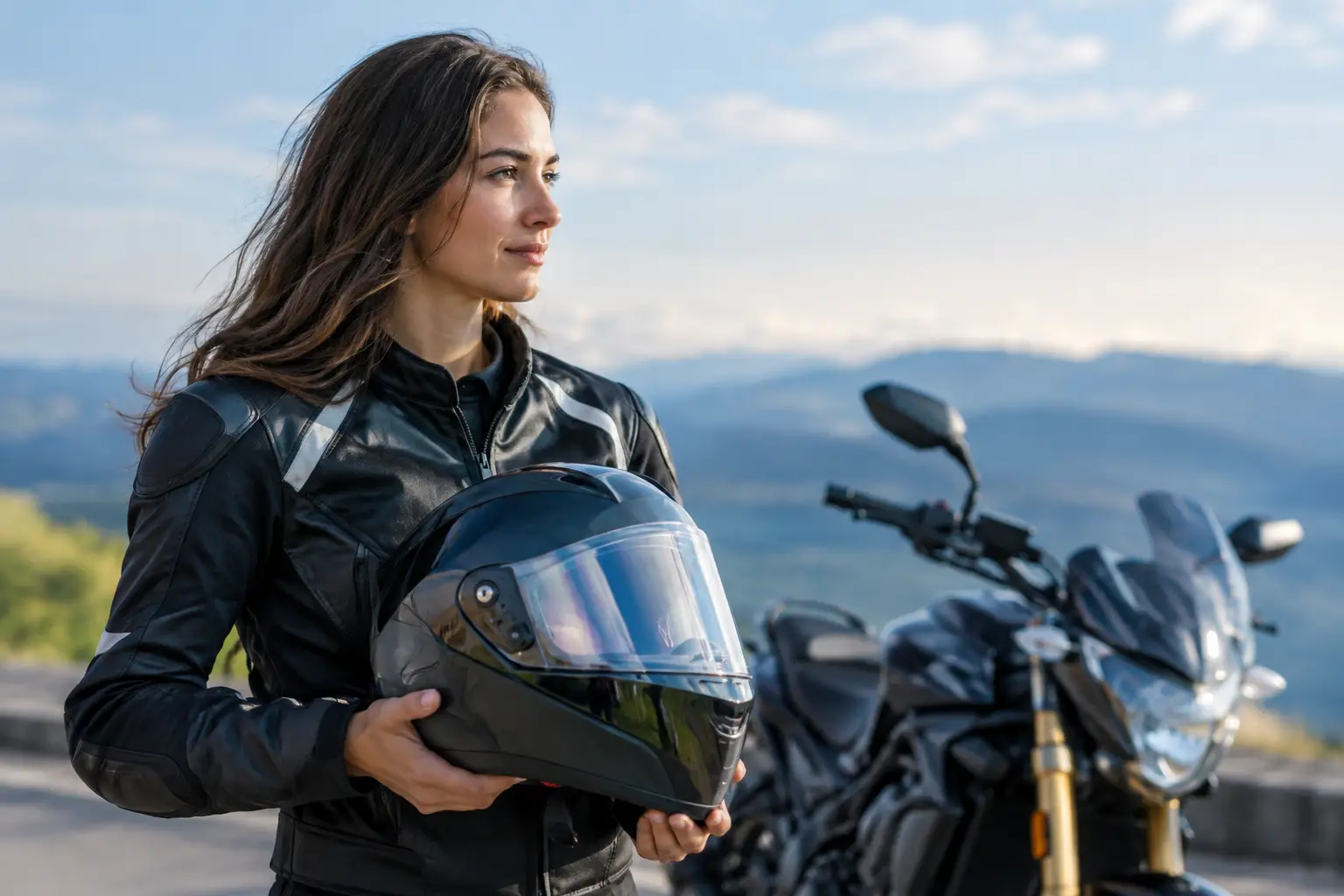
A rider can do everything right in a lesson - check girth, listen closely, choose an appropriate horse - and still face an unpredictable moment. That is why the question, “are riding helmets required,” deserves more than a quick yes or no. Requirements vary by location and activity, but a properly fitted, equestrian-specific helmet is one of the simplest safety decisions a rider and family can make.
Are Riding Helmets Required in Texas?
Texas does not have a universal statewide law requiring every person to wear a helmet while horseback riding. Adults riding privately may not be legally required to wear one, and requirements can differ across public events, private property, competitive organizations, and individual programs.
That absence of a statewide requirement should not be mistaken for a safety recommendation. Riding involves a living, thinking partner. Even a familiar, dependable horse can stumble, spook at a sound, react to another horse, or lose balance on uneven ground. A fall does not have to happen at a high speed or over a jump to cause a serious head injury.
For children and teens, helmet use should be treated as a standard part of preparing to ride. Young riders are still building balance, judgment, and the ability to respond calmly when something changes quickly. A helmet supports the confidence to learn while parents and instructors establish good habits from the first lesson onward.
Private lesson programs, camps, leases, and training facilities may set their own helmet policies. Those policies can be more protective than the law, particularly for mounted lessons, youth programs, beginning riders, jumping, trail riding, or riding unfamiliar horses. Competitive disciplines and organized shows may also have specific rules that change by class, age division, or level of competition.
Why a Helmet Is Worth Wearing Even When It Is Optional
A riding helmet is not a sign that a rider is inexperienced. It is appropriate equipment for a sport with real variables, whether the rider is taking a first private lesson, schooling dressage movements, or preparing for a jumping course.
Horses are remarkably sensitive to their environment. Wind, wildlife, loose dogs, a shifting saddle pad, an unexpected noise, or another horse’s reaction can change the situation in a second. Skill and thoughtful horsemanship reduce risk, but they cannot eliminate it. Helmets are designed to absorb and distribute some of the force from an impact, helping reduce the risk of certain head injuries.
There is also a powerful culture-building benefit. When instructors, experienced riders, and parents treat helmets as normal riding attire, young riders receive a clear message: responsible horsemanship includes caring for themselves as well as the horse. That mindset carries into grooming, tacking up, handling horses from the ground, and making sound decisions in the saddle.
Helmet use does involve a few practical trade-offs. It can feel warmer in a Texas summer, may require a hair adjustment, and takes a moment to fasten correctly. Those minor inconveniences are manageable with breathable clothing, shade and hydration breaks, and a helmet that truly fits. Comfort improves dramatically when the rider is not wearing a borrowed or poorly sized helmet.
When Helmet Rules Are Most Likely to Apply
The answer to whether helmets are required often depends on the riding setting. A facility may require them for all mounted riders, while another policy may focus on minors or particular activities. Parents and adult riders should ask before arriving rather than assuming that a casual ride, a first lesson, or a lease arrangement carries the same expectations as a horse show.
Helmet policies are especially common when riders are learning independently mounted skills or participating in activities with more variables. This often includes lessons, camps, jumping, riding outside an enclosed arena, and riding a horse that is new to the rider. Some programs require helmets in every mounted lesson because consistency makes safety procedures easier for children to remember and for instructors to supervise.
Show rules require their own attention. A helmet that is accepted in one discipline or division may not meet the requirements of another. Riders competing in hunter, jumper, dressage, eventing, or western disciplines should confirm the current rules for the specific organization and class. Requirements can also change, so last season’s information is not always enough.
For horse owners, a written helmet expectation can be a helpful part of a broader safety plan. It gives trainers, family members, and guests a shared standard, particularly when youth riders, friends, or lessees spend time with the horse. Clear expectations are not about removing every personal choice. They are about reducing avoidable risk around animals that deserve focused, prepared handlers.
Choosing a Helmet That Protects the Rider
Not every hard hat is suitable for riding. A bicycle, ski, football, or construction helmet is designed and tested for different types of impacts and may not provide the protection intended for equestrian falls. Choose an equestrian helmet that meets a current recognized safety standard and is made specifically for mounted riding.
Fit matters as much as the helmet’s certification. The helmet should sit level on the head, low enough to protect the forehead without obstructing vision. It should feel snug all around, with no rocking from side to side or sliding backward when the rider moves. The harness should be adjusted so the helmet stays in place without pinching under the chin.
A simple fit check is useful before every ride. With the chinstrap secured, the rider should gently try to move the helmet. The skin at the forehead should move with it rather than allowing the helmet to shift independently. If it spins, tips, leaves a large gap above the eyebrows, or feels painful after a few minutes, it needs adjustment or a different size or model.
A helmet should also be replaced after a significant impact, even if the outside looks fine. The protective liner can be compromised internally. Replacement is also wise when a helmet is visibly damaged, has a cracked shell, loose harness hardware, deteriorated foam, or no longer fits a growing child. Follow the manufacturer’s guidance for care and replacement, and do not leave a helmet baking in a hot vehicle for long periods.
Building Helmet Habits That Last
For families new to horses, make the helmet part of the routine rather than a special rule that appears only when someone is nervous. Put it on before approaching the mounting area. Check the fit before the rider gets in the saddle. Store it carefully after the lesson, just as reins, boots, and grooming tools are put away properly.
Parents can also help by allowing enough time for preparation. Rushing into the arena makes it more likely that a chinstrap will be left loose, boots will be unfastened, or a rider will forget a key instruction. Good riding education includes learning that calm preparation is part of caring for a horse and participating safely in the sport.
At Eden Hills Equine, individualized instruction creates space for riders to learn these habits with attention to their age, experience, goals, and horse. A rider’s confidence is strongest when it is built on sound skills, clear expectations, and equipment that supports them.
The goal is not to make riding feel frightening. It is to respect the sport enough to prepare for it well. Whether a helmet is legally required in a particular setting or not, choosing one that fits correctly gives riders and families one more reason to focus on the joy of learning, partnership, and progress.