

Beginner Rider Transformation Through Private Lessons
Beginner rider transformation builds through private lessons, safe habits, horse care, and steady confidence in the saddle and on the ground over time.
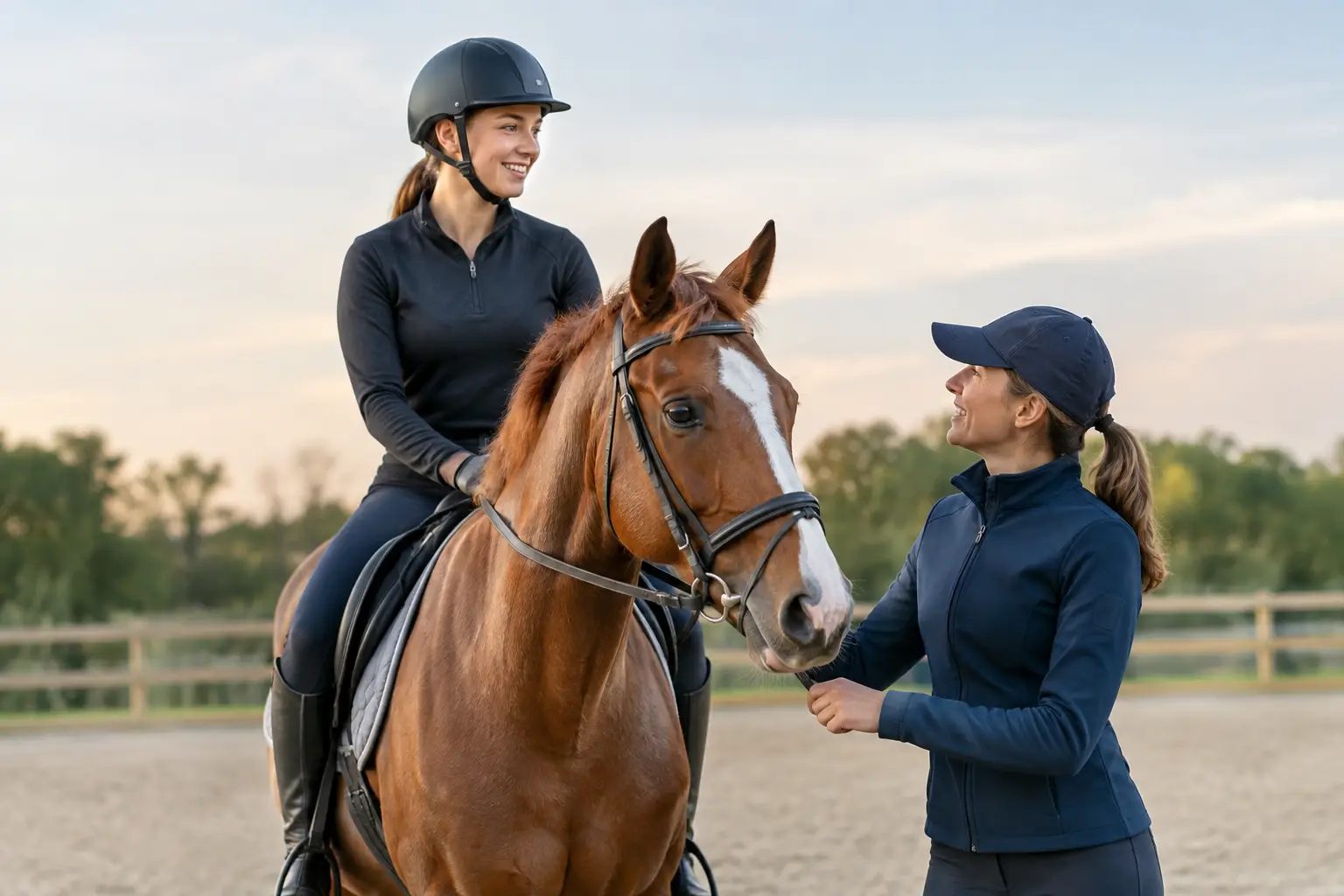
The first successful ride is rarely defined by a perfect posting trot or a polished steering pattern. For a new rider, real progress may look like taking a deep breath before mounting, remembering how to hold the reins, or feeling secure enough to ask a horse to walk forward with purpose. A meaningful beginner rider transformation is built from these small moments. With patient instruction, safe horses, and consistent practice, uncertainty becomes confidence and curiosity becomes lasting horsemanship.
At Eden Hills Equine, beginner development is treated as an individual process rather than a race toward the next skill. Every rider arrives with a different comfort level, learning style, physical ability, and set of goals. Private instruction creates the time and attention needed to meet each rider where they are while building a foundation that supports safe, enjoyable progress.
What a Beginner Rider Transformation Really Means
A beginner rider transformation is not simply learning to stay on a horse. Riding asks a person to coordinate their body, focus their attention, make decisions, and communicate clearly with an animal that has thoughts and responses of its own. That is why true progress happens both in the saddle and on the ground.
Early lessons often focus on becoming comfortable around horses. Riders learn how to approach a horse safely, recognize personal space, use a grooming tool correctly, and understand why calm, consistent handling matters. These skills may appear simple, but they create the awareness and respect that every capable horseperson needs.
In the saddle, a new rider begins by finding balance without gripping, holding the reins with appropriate contact, and understanding how their posture affects the horse. From there, they learn to guide the horse through clear, quiet aids. Progress can feel gradual at first because it should be. A rider who develops good habits at the walk will have a much stronger foundation when they begin trotting, cantering, riding patterns, or pursuing jumping and dressage goals.
Why Private Lessons Make a Difference
In a group setting, new riders often have to divide their attention between following the line, watching other horses, and keeping up with the lesson. Group instruction can have value at the right stage, but a true beginner frequently benefits from focused coaching. Private lessons allow the instructor to observe details that may otherwise go unnoticed: a rider tipping forward, hands becoming uneven, heels pressing down too forcefully, or a moment of hesitation before a transition.
That immediate feedback helps riders understand not only what to change, but why the adjustment matters to the horse. Instead of hearing a general instruction across an arena, the rider receives guidance designed for their body, their confidence, and the horse they are riding that day.
For parents, individualized instruction also makes progress easier to understand. Development does not need to be measured only by how quickly a child advances to a faster gait. A rider who can independently prepare for a lesson, listen carefully, recover after a mistake, and treat a horse with respect is making meaningful progress. Those habits carry beyond the barn.
Confidence Comes From Competence
Confidence is often misunderstood as fearlessness. In riding, confidence is better described as the ability to respond calmly because you know what to do next. A rider may still feel nervous before their first trot or first time riding without a lead, but proper preparation gives them tools to work through that feeling.
A thoughtful lesson program introduces new challenges in manageable steps. Before asking a rider to trot independently, an instructor may ensure they can maintain a balanced position at the walk, steer accurately, halt with control, and understand how to regain their focus if the horse changes pace. This approach protects both the rider’s experience and the horse’s comfort.
There is a trade-off here. Fast advancement can be exciting, especially when a young rider is eager to canter or jump. Yet moving too quickly can create tension, weak habits, or a loss of confidence that takes longer to rebuild. Steady development is not slow development. It is intentional development.
The Groundwork That Builds Better Riders
A rider’s education should not begin and end at the mounting block. Horses depend on people to notice changes in behavior, comfort, and routine. Learning basic horse care helps beginners become more observant and more responsible.
During lessons, this may include grooming, picking hooves with supervision, checking tack placement, leading safely, and learning the purpose of each piece of equipment. Riders begin to see that a horse is not a piece of sports equipment. A horse is a partner whose comfort and well-being shape every ride.
This knowledge also creates better decision-making. For example, a rider who understands that a horse may be distracted by wind, heat, a new sound, or a change in routine is less likely to take a horse’s behavior personally. They can listen to instruction, stay aware, and respond with patience rather than frustration.
For children and teens, these responsibilities provide a valuable structure. The barn rewards consistency. Grooming thoroughly matters. Closing a gate matters. Putting equipment away correctly matters. Over time, riders learn that the small details are part of caring well for another living being.
Milestones Look Different for Every Rider
There is no single timeline for learning to ride. A child who is naturally bold may be ready to try a new skill quickly but need reminders to slow down and refine their position. An adult beginner may take more time to feel comfortable at first, then make rapid progress once the movement becomes familiar. Some riders are motivated by goals in the show ring, while others want a trusted weekly outlet and a deeper connection with horses.
A quality program recognizes these differences while keeping standards clear. Riders should develop secure basics before increasing difficulty, but they should also feel challenged enough to stay engaged. The best next step depends on the rider, the horse, their consistency in lessons, and the skills already in place.
Common signs of growth include a quieter, more balanced seat; improved steering; stronger awareness of the horse’s rhythm; and the ability to follow a sequence of instructions with less prompting. Just as important are the less visible milestones: speaking up when something feels uncertain, recovering from a mistake without tears or frustration, and showing care for the horse before asking for more in the saddle.
Supporting Progress Between Lessons
Riding is physical, and regular lessons give beginners the repetition needed to build coordination. However, riders can support their progress outside the arena as well. A young rider can practice learning barn vocabulary, review the parts of the horse, or talk through the steps of grooming and tacking up. An adult rider may benefit from gentle mobility work, core strength exercises, and taking time to reflect on what felt easier or more challenging during a lesson.
Parents can help most by keeping the focus on learning rather than performance. Questions such as, What did you learn about your horse today? or What felt more comfortable this week? encourage a rider to notice progress without feeling pressured to prove it. The goal is to raise a capable, thoughtful horseperson, not simply collect ribbons or move quickly through levels.
Consistency matters, but so does flexibility. Riders will have days when balance feels off, a horse feels different, or a new skill requires more patience than expected. Those are not failures. They are part of learning a sport and a partnership that constantly asks for attention, adjustment, and empathy.
A Foundation That Lasts Beyond the First Lesson
The lasting value of riding begins when a beginner realizes they can handle a challenge with calmness and care. They learn to be present, to communicate without force, and to take responsibility for the details that keep horses and people safe. Whether a rider’s future includes jumping, dressage, leasing, horse ownership, or simply a lifelong appreciation for horses, those early lessons matter.
Give the process room to unfold. With knowledgeable coaching, the right horse, and steady encouragement, a beginner can grow into a rider who is not only more confident in the saddle, but more capable wherever responsibility, patience, and courage are required.