

Best Beginner Horse Riding Gear for Safe Starts
Find the best beginner horse riding gear for safe, comfortable lessons, from a properly fitted helmet and boots to breeches, gloves, and more. Daily, too.
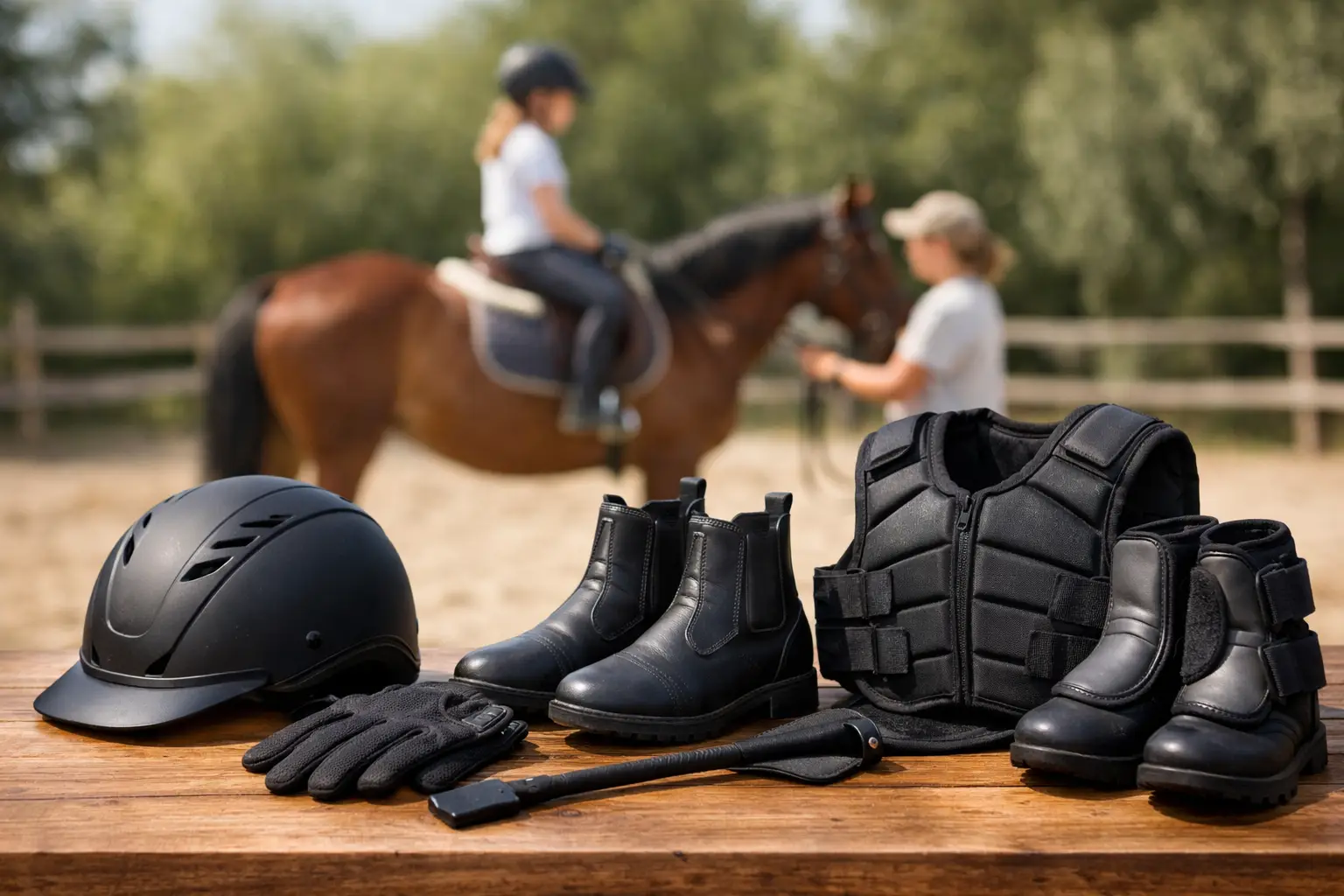
A rider’s first lesson should be about learning to communicate with a horse, not tugging at loose boots or worrying that a helmet is sliding over their eyes. The best beginner horse riding gear is not the most expensive collection of matching items. It is the small group of well-fitted essentials that helps a new rider stay safe, comfortable, and focused while they build real confidence in the saddle.
For families starting lessons, it can be tempting to buy everything at once. A more thoughtful approach is usually better. Begin with safety-critical items, wear comfortable clothing that allows movement, and let your instructor help guide later purchases as the rider’s goals and discipline become clearer.
Best Beginner Horse Riding Gear Starts With a Helmet
A properly fitted riding helmet is the first piece of equipment every beginner needs. Choose a helmet made specifically for horseback riding and marked with current ASTM/SEI safety certification. A bicycle helmet, ski helmet, or borrowed helmet with an unknown history is not an appropriate substitute.
Fit matters as much as certification. The helmet should sit level on the head, covering the forehead without pressing uncomfortably. It should feel snug all the way around, but it should not create painful pressure points. When the rider gently moves their head, the helmet should move with it rather than shifting independently. The chin strap should be secure, with room for about one finger beneath it.
Helmets need care, too. If a helmet has sustained a hard impact or fall, it should be replaced, even when the exterior looks fine. The protective materials inside can be compromised without obvious visible damage. For growing children, check fit regularly throughout the year.
Boots With a Heel Are a Non-Negotiable
The right footwear helps keep a rider’s foot correctly positioned in the stirrup. Beginner riding boots should have a defined heel, a smooth sole, and a secure fit around the foot and ankle. Paddock boots, also called short riding boots, are a practical choice for most new English riders. They can be paired with half chaps later if the rider wants more support and protection along the lower leg.
Avoid tennis shoes, hiking boots with deeply lugged soles, open-toed shoes, sandals, or fashion boots with a loose fit. Deep tread can catch in a stirrup, while a shoe without a heel can slide too far through it. Boots do not need to be stiff or difficult to walk in, especially for young riders who will spend time grooming, leading, and learning barn routines as well as riding.
A small amount of growing room is reasonable for children, but oversized boots can make it harder to maintain a stable leg. Comfort, a proper heel, and a secure fit should come before brand or appearance.
Comfortable Riding Pants Make Learning Easier
Jeans may work for an occasional introductory ride, but they are rarely the most comfortable option for regular lessons. Their inner seams can rub, and stiff denim can limit movement through the hip and knee. Riding tights or breeches are designed to move with the rider and reduce chafing in the saddle.
For beginners, riding tights are often the easiest place to start. They are flexible, simple to wash, and typically less structured than traditional breeches. Look for a comfortable waistband and fabric that is not see-through when bending or stretching. Full-seat styles can offer extra grip, but they are not essential for a first-time rider. Knee-patch tights or breeches are a perfectly suitable choice.
Leggings without a sturdy fabric or inner-leg grip can work in a pinch, but they may slide against the saddle and wear out quickly. If a rider attends lessons consistently, purpose-made riding tights are a worthwhile upgrade.
Choose a Shirt That Allows Movement and Sun Protection
A fitted T-shirt, polo, athletic top, or lightweight long-sleeve shirt works well for lessons. The goal is easy movement without loose fabric that can catch on tack or distract the rider. Shirts should cover the torso comfortably when the rider reaches forward, raises their arms, or sits deep in the saddle.
In Texas, breathable fabric and sun protection can make a meaningful difference during warmer months. A lightweight long-sleeve performance shirt is often more comfortable than a heavy cotton top, particularly for riders spending time outdoors before and after their lesson. Layers are useful during cooler weather, but bulky coats can restrict the shoulders and make it difficult for an instructor to see the rider’s position.
Hair should also be secured neatly. A low ponytail or braid generally fits more comfortably beneath a helmet than a high bun. Large hair clips, decorative headbands, and bulky accessories can interfere with helmet fit.
Gloves Are Helpful, Not Always Essential
Riding gloves protect hands from rein friction and offer a more consistent grip, especially when riders are learning to hold the reins correctly. They can be particularly helpful for children with sensitive hands, adults returning to riding, and riders taking lessons in hot, humid, or chilly conditions.
Gloves are not required for every first lesson, provided the rider is comfortable without them. Still, a simple pair of riding gloves is an affordable addition once lessons become routine. Choose gloves that fit closely enough to preserve feel in the reins. Oversized gloves bunch in the palm and can make a rider grip harder than necessary.
What Beginners Can Wait to Buy
New riders do not need to arrive with a saddle, bridle, crop, spurs, or a full collection of specialized tack. In a quality lesson program, the horse’s tack is selected and fitted for that individual horse. Buying tack before a rider understands their needs can lead to expensive equipment that is unsuitable or unused.
The same restraint applies to crops and spurs. These are training tools, not beginner accessories. They should only be introduced when an instructor believes they are appropriate and has taught the rider how to use them correctly. A rider develops a more secure foundation by learning balance, clear aids, and thoughtful horsemanship first.
A body protector may be recommended in certain situations, such as cross-country schooling or specific riding activities. For standard arena lessons, whether one is needed depends on the rider’s age, discipline, horse, and instructor guidance. If your child needs a protective vest for a particular program, ask for fit and certification recommendations before purchasing.
A Practical First-Lesson Checklist
For a first lesson, most riders only need a certified riding helmet, heeled boots, comfortable fitted pants, and a flexible shirt. Gloves are optional, and a water bottle, sunscreen, and weather-appropriate layer are sensible additions for an outdoor barn day.
Parents should also avoid sending young riders in dangling jewelry, large hoop earrings, loose scarves, or clothing with long ties. These details may seem small, but safe barn attire reduces distractions and allows the rider to concentrate on instructions, the horse’s movement, and good habits from the start.
Let Progress Guide the Next Purchase
As a rider becomes more committed, their gear can grow with them. A child who begins weekly lessons may soon benefit from riding tights, gloves, half chaps, and a dedicated grooming tote. A rider drawn to dressage or jumping may eventually have more specific apparel needs. There is no need to rush that process.
At Eden Hills Equine, individualized instruction means riders can receive guidance based on their actual goals, comfort, and progress rather than a one-size-fits-all checklist. A thoughtful instructor can help distinguish between an item that improves safety or function and one that simply looks like part of the sport.
The best gear should fade into the background once the lesson begins. When a rider feels secure in their helmet, steady in their boots, and comfortable in the saddle, they are free to pay attention to the quiet, rewarding work of learning to ride well.