

Boarding Horse Condition: What Good Care Looks Like
Boarding horse condition reflects more than weight. Learn what to watch, how daily care supports health, and when a thoughtful adjustment is needed now.
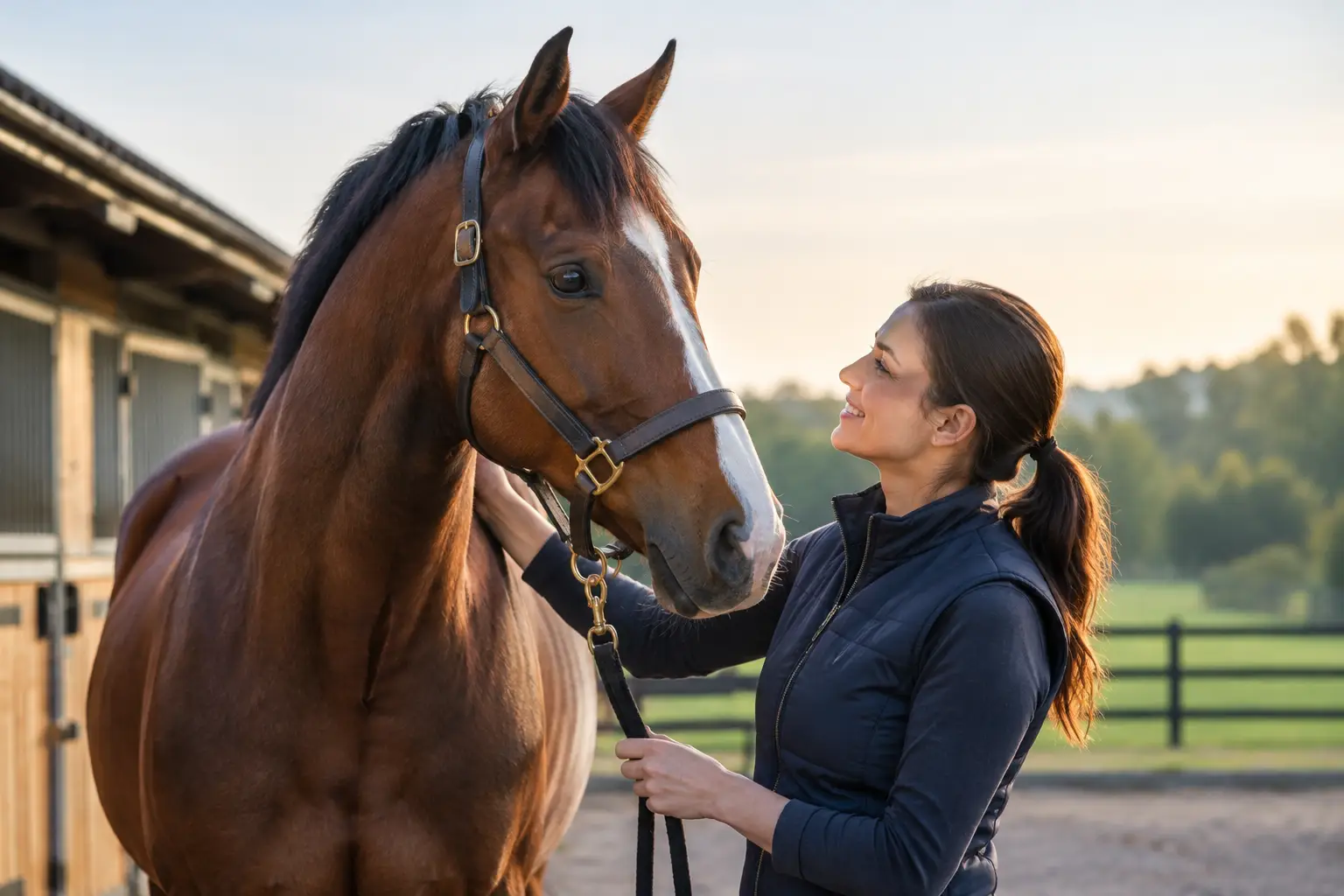
A horse can look perfectly fine over a stall door and still be telling you that something in their routine needs attention. Boarding horse condition is not simply a question of whether a horse is thin or overweight. It reflects the combined effect of forage, turnout, exercise, hydration, dental comfort, stress level, health history, and the consistency of daily care.
For owners, especially those balancing family, work, and riding goals, boarding should provide confidence that the details are being noticed. A healthy horse is not created by one large feeding decision. It is supported by thoughtful observation and timely adjustments over weeks and months.
What Boarding Horse Condition Really Means
When horse people discuss condition, they often mean body condition score, or BCS. This is a hands-on assessment of fat cover in key areas: along the neck, over the withers, behind the shoulder, across the ribs, over the back, and around the tailhead. The commonly used scale runs from 1 to 9, with 1 describing an extremely thin horse and 9 describing a very obese horse.
For many adult riding horses, a moderate score around 4 to 6 is a reasonable target. But the ideal number depends on the individual. A growing young horse, senior horse, easy keeper, hard keeper, broodmare, or horse in a demanding training program may need a different plan. A dressage horse and a pony ridden lightly by a child can also have very different nutritional risks, even if both appear well cared for.
The goal is not to make every horse look alike. The goal is to maintain a healthy, functional condition that supports soundness, energy, comfort, and the horse's work.
Why the eye test is not enough
A fluffy winter coat, a broad chest, or a round belly can be misleading. A horse may carry excess fat along the crest of the neck while lacking topline through the back. Another may have a hay belly yet be losing muscle and fat over the ribs. Regular hands-on evaluation matters because fingers can feel ribs, fat pads, and changes in muscle that a quick visual check may miss.
Photos taken from the side, front, and rear every few weeks can also be helpful. They create a more reliable record than memory, particularly when gradual changes are easy to overlook.
The Daily Factors That Shape Condition
A boarding program has the strongest influence on condition through routine. Feed must be appropriate, but it also must be fed consistently, stored properly, and adjusted when a horse's needs change. The same is true for water, turnout, medication, blanketing, and monitoring after exercise.
Forage comes first
Horses are designed to consume forage regularly. Quality hay or pasture supports digestive health, helps reduce long periods without feed, and provides the foundation of most diets. The right amount depends on the horse's weight, metabolism, workload, pasture access, and the nutritional value of the forage itself.
Concentrates, ration balancers, and supplements can have a place, but they should solve a specific need rather than compensate for an unclear feeding plan. More grain is not automatically the answer for a horse losing weight. Dental pain, ulcers, parasites, poor hay quality, stress, or a medical concern may be part of the picture.
In Central Texas, seasonal pasture changes and summer heat can affect both forage availability and appetite. A horse that maintains easily in spring may need closer attention during a dry period, after a demanding show schedule, or when temperatures make exercise and hydration more challenging.
Turnout, movement, and workload
A horse's calorie needs change when their activity changes. More training, jumping lessons, dressage work, trailering, or increased turnout can lead to weight loss in some horses. Reduced work can lead to quick gain in easy keepers.
However, condition is not only about calories in and calories out. Appropriate movement supports circulation, digestion, muscle development, and mental well-being. A horse standing quietly all day may need a different management plan than one who walks extensively in turnout, even when both receive the same feed.
Training should be matched to condition as well. Asking an under-muscled horse to work harder before addressing nutrition, fitness, and comfort can create frustration rather than progress. Conversely, allowing an overweight horse to remain inactive can raise concerns for joints, metabolic health, and laminitis risk.
Water, salt, and the Texas climate
Clean, available water is a basic need with major effects on health and appetite. Horses may drink less when water is unusually cold, tastes different, or is located where they feel uncomfortable. In warm weather, sweat loss increases the need for water and electrolytes.
Salt should be available according to the horse's veterinary and nutritional needs. Owners should also know that a sudden drop in water intake, appetite, or manure output deserves prompt attention. These small observations can matter before a horse's body condition visibly changes.
Signs a Horse May Need an Adjustment
A good boarding routine includes noticing patterns early, not waiting for a major change. One missed meal or an off day after a hard ride may not be cause for alarm. A trend over several days or weeks calls for a closer look.
Watch for changes such as visible ribs becoming more pronounced, a hollowed appearance around the topline, loss of muscling over the hindquarters, a dull coat, reduced enthusiasm for feed, or a girth that suddenly fits differently. On the other end of the spectrum, a thickened crest, fat deposits near the tailhead, a disappearing waistline, or a saddle that becomes tight can signal excess weight.
Behavior can offer useful clues, too. A horse that becomes girthy, cranky during grooming, slow to finish feed, reluctant to work, or unusually quiet may be communicating discomfort. These signs do not identify the cause by themselves, but they should lead to a calm, informed conversation with the care team and, when appropriate, the veterinarian.
Communication Is Part of Quality Care
Owners should understand what their horse receives each day: forage, feed, supplements, turnout schedule, exercise plan, and any special instructions. Clear communication prevents well-intended changes from becoming inconsistent changes.
If a horse needs to gain or lose condition, the best plan is gradual and measurable. Establish a baseline with photos, weight tape measurements, body condition scoring, and notes on work level. Then make one or two appropriate changes, allow time to assess the result, and continue monitoring. Frequent dramatic changes to feed can create digestive upset and make it harder to understand what is helping.
At Eden Hills Equine, individualized attention supports the kind of day-to-day awareness that horses need. A rider's goals, a horse's training workload, and their physical condition should be considered together rather than treated as separate parts of care.
When to involve the veterinarian
A veterinarian should be involved when weight loss is unexplained, rapid, or paired with changes in appetite, manure, behavior, coat quality, or performance. Persistent difficulty maintaining weight, sudden weight gain, suspected metabolic concerns, signs of pain, and recurring digestive issues also deserve professional guidance.
Dental examinations and fecal testing are practical pieces of a broader wellness plan. Senior horses, horses with a history of ulcers or metabolic disease, and horses returning to work after time off may require especially individualized management.
Questions to Ask About Boarding Horse Condition
Before placing a horse in any full-care program, ask how feeding amounts are determined, who notices changes in appetite or behavior, how owners are updated, and how special diets are handled. Ask about turnout routines, water access, hay availability, and the process for contacting an owner or veterinarian if a concern arises.
The answers should be specific. “We keep an eye on them” is reassuring only when it is backed by consistent routines, experienced oversight, and communication that respects each horse as an individual.
A horse's condition will naturally shift with age, season, training, and health. What matters most is having knowledgeable people who recognize the change, respond thoughtfully, and keep the horse's long-term comfort at the center of every decision.