

How to Choose a Horse Training Package That Fits
Learn how to choose a horse training package that supports clear goals, safe progress, consistent daily care, and a confident partnership with your horse.
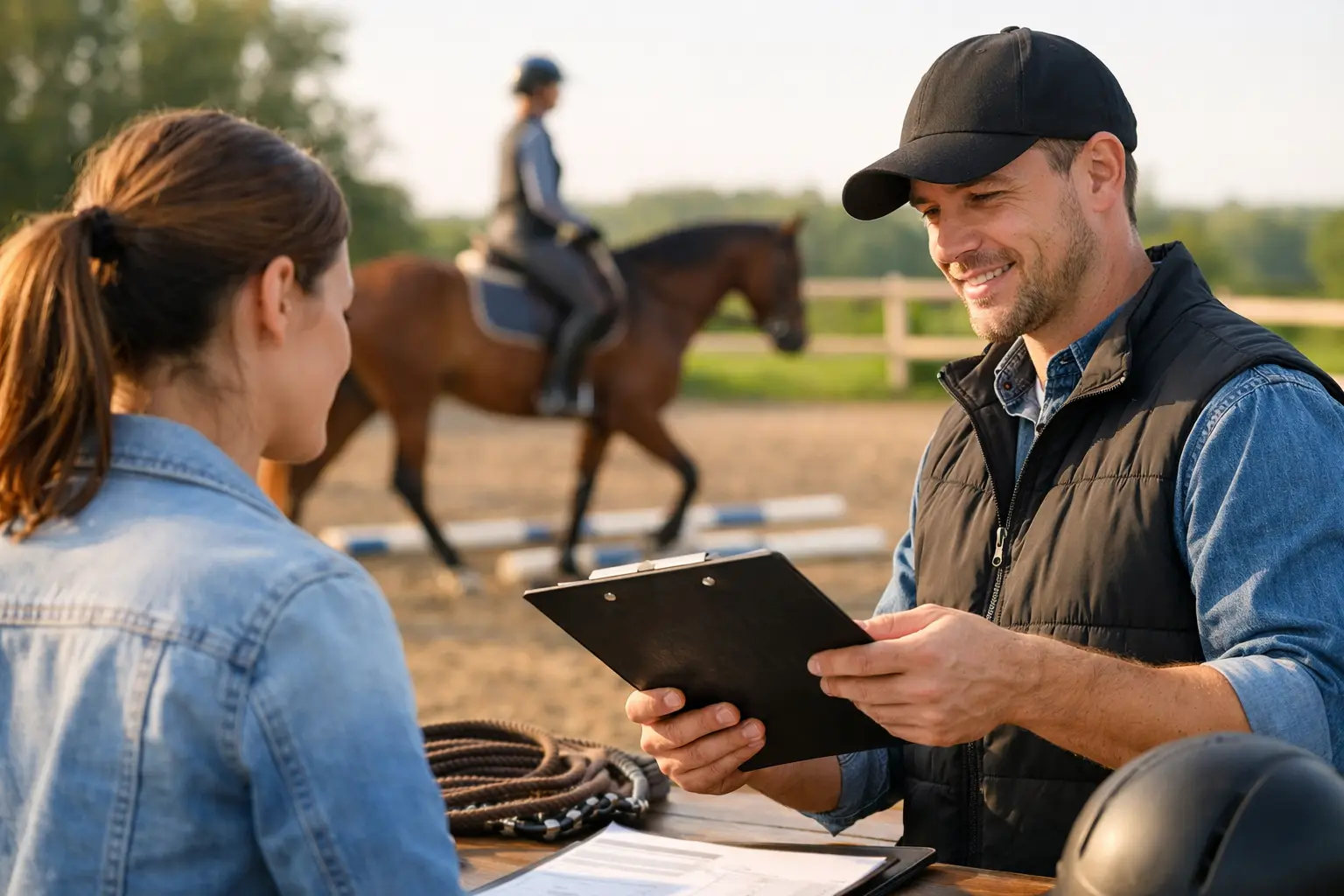
A training package can change far more than a horse’s way of going. The right program can build consistency, address concerns before they become habits, and give an owner a clearer role in the horse’s development. To choose a horse training package well, begin with the result you need, then look closely at how the trainer plans to get there.
A package that sounds impressive on paper is not automatically the best fit. A young horse, a seasoned show horse returning from time off, and a safe family horse that has developed a few difficult habits all need different levels of work, oversight, and owner involvement. Thoughtful training starts with that distinction.
Start With a Specific Goal
“Better behavior” is understandable, but it is too broad to guide a useful training plan. Before speaking with a trainer, identify what is happening now and what you would like to see improve over the next one to three months.
For some owners, the goal may be safer ground manners: standing quietly for grooming, loading willingly, or becoming more respectful of personal space. For others, the priority is under saddle, such as establishing steady steering and brakes, improving transitions, developing rhythm over fences, or preparing for dressage work. A horse coming back into work may need conditioning and confidence before more technical training should begin.
Be honest about the full picture. Share the horse’s age, history, health considerations, turnout routine, current workload, and any situations that tend to trigger tension or resistance. A trainer can create a safer, more realistic program when they have accurate information from the start.
Choose a Horse Training Package Based on Frequency
The number of professional training rides each week is one of the biggest differences between packages. More rides do not always mean better results, but consistency matters. Horses learn through clear, repeated experiences, and long gaps between sessions can make it harder to establish new patterns.
A lighter package may be appropriate for a horse that is already well schooled and simply needs regular tune-ups, conditioning, or support between an owner’s rides. It can also suit an owner who rides consistently and wants professional guidance to keep progress on track.
A more frequent program is often a better choice for a green horse, a horse with a significant training gap, or one working through a specific behavior or confidence issue. It may also be appropriate when an owner’s schedule does not allow them to ride often enough to reinforce the work. The goal is not to keep a horse busy for the sake of it. It is to provide enough thoughtful repetition for the horse to understand and retain the lesson.
Ask what each week will look like. A balanced schedule may include schooling rides, groundwork, conditioning, turnout, rest, and lessons with the owner when appropriate. Training should account for the horse’s body and mind, not treat every day as a hard workday.
Look for a Program, Not a Set Number of Rides
A monthly package is easier to evaluate when you understand the plan behind it. Two programs may offer the same number of rides, yet produce very different experiences depending on the trainer’s approach, communication, and attention to the individual horse.
A quality program begins with an assessment. The trainer should be able to explain where the horse is starting, which foundations need attention, and what progress may reasonably look like over the coming weeks. That plan should remain flexible. If a horse is sore, overwhelmed, unusually fresh, or ready to move forward more quickly than expected, the program should adapt.
It also helps to ask how success will be measured. In riding, progress is not always dramatic. It may look like a horse that relaxes more quickly, accepts a more consistent contact, loads without hesitation, or recovers calmly after a new experience. These changes matter because they create the foundation for future work.
Be cautious of promises that guarantee a complete transformation by a certain date. Training is influenced by the horse’s temperament, soundness, prior education, management, and the consistency of everyone handling and riding the horse. A good trainer will be encouraging without making unrealistic claims.
Consider Whether the Owner Will Be Part of the Process
Professional training is most effective when the horse’s education and the owner’s riding are working toward the same standards. If a trainer develops clear responses under saddle but the owner receives no instruction on how to maintain them, the horse may become confused when the program changes hands.
For many horse-and-rider pairs, a package that includes private lessons is especially valuable. The trainer can teach the owner the same cues, expectations, and exercises the horse has been learning. This creates continuity and gives the owner practical tools rather than the feeling that progress only exists while the trainer is in the saddle.
The right level of owner involvement depends on the situation. A young horse may initially benefit from a period of professional-only rides. A rider rebuilding confidence may need lessons that move at a slower pace. In either case, ask when and how you will be brought into the process. Clear transitions are better for both horse and rider.
Ask About Care, Safety, and Daily Management
Training does not happen in isolation from boarding and care. A horse’s feed program, turnout, hoof care, saddle fit, recovery time, and living environment all affect their comfort and ability to learn. Before selecting a package, make sure the training program is supported by attentive daily management.
Ask practical questions about how horses are observed, how changes in behavior or condition are communicated, and what happens if a horse appears uncomfortable. You should also understand the facility’s approach to turnout, arena footing, weather plans, and safe handling procedures.
For jumping or dressage training, the training spaces matter as well. Suitable footing, well-maintained equipment, and an organized arena environment allow the trainer to focus on education rather than managing avoidable risks. A safety-first setting supports better concentration for horses and more confidence for owners.
Evaluate Communication as Carefully as Credentials
Trainer experience matters, but so does the ability to explain the work with honesty and respect. Owners should not feel left wondering what happened during a month of training or hesitant to ask questions about their horse.
During your initial conversation, notice whether the trainer asks detailed questions and listens carefully to your concerns. A good fit feels collaborative. You should receive straightforward updates on what is improving, what remains challenging, and whether the original plan needs to change.
It is reasonable to ask how often updates are provided and whether they may include lesson recommendations, progress notes, or video when useful. Regular communication does not mean expecting a report after every ride. It means having enough information to understand your horse’s development and make informed decisions.
Understand the Investment Beyond the Package Price
The lowest-priced option is not always the most economical if it lacks consistency, individualized attention, or a clear plan. At the same time, the most intensive package is not automatically necessary for every horse. The appropriate investment depends on your goals, your horse’s needs, and the amount of riding you can realistically maintain.
Ask what is included in the monthly rate and what may be separate, such as lessons, show preparation, specialized care, hauling, or additional training rides. Knowing the full structure up front prevents surprises and makes it easier to compare options fairly.
It is also wise to discuss the expected timeline. Some goals can be meaningfully addressed in a month, while others require a longer commitment. Building strength, changing established habits, and preparing a horse for a new discipline are rarely quick projects. A trainer who recommends enough time for the horse to learn is protecting the horse’s welfare as well as your investment.
At Eden Hills Equine, individualized programs are built around the horse’s needs and the rider’s long-term development, with private instruction available to help each pair carry progress forward. The best package should leave you with more than a better ride on one day. It should give your horse a clearer understanding of their job and give you greater confidence in the partnership you are building.