

Custom Horse Training Plans That Build Progress
Custom horse training plans match each horse’s needs, rider goals, and daily care, creating safer progress in the arena and beyond for lasting confidence.
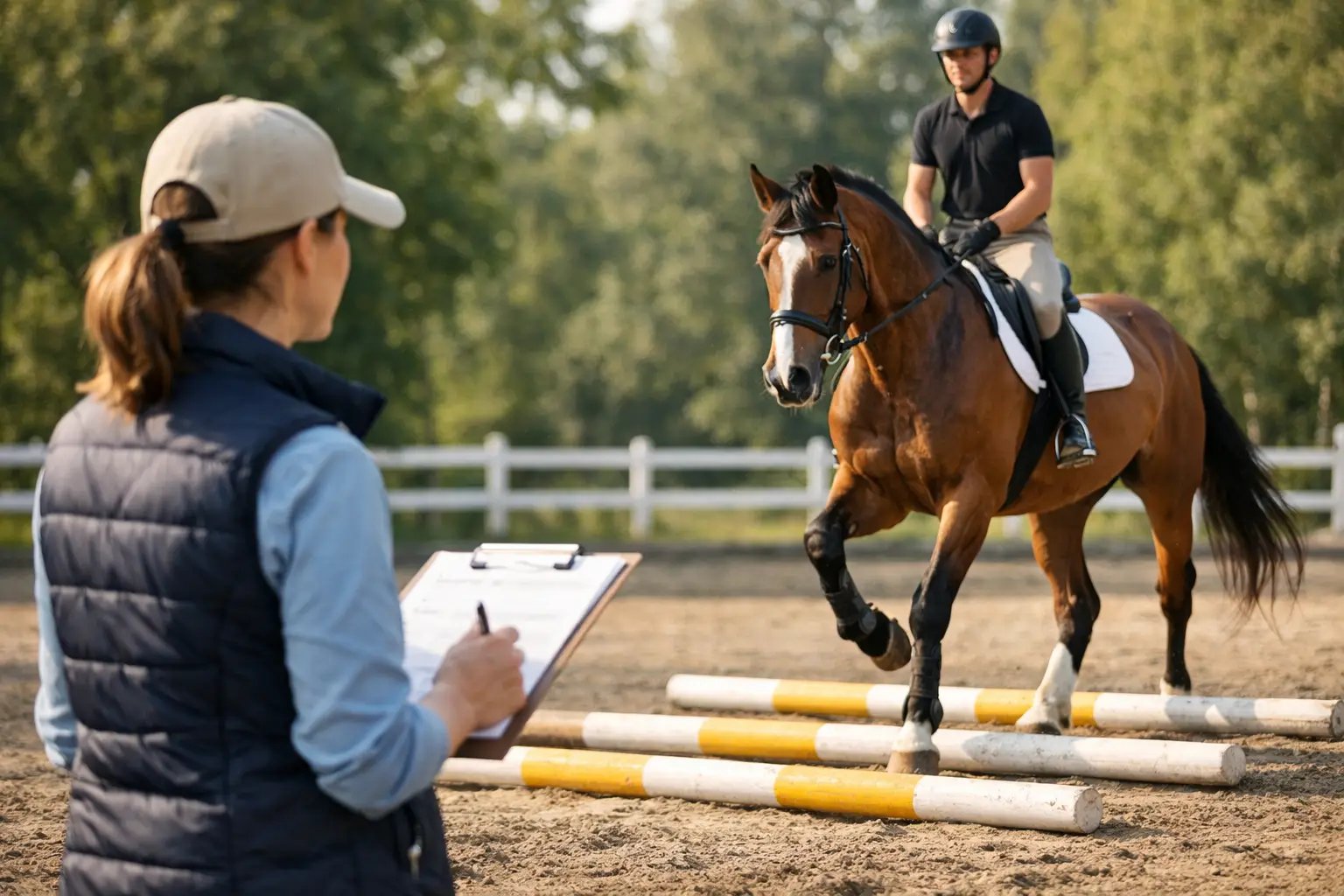
A horse that rushes fences, braces in the contact, or loses focus in the corner is not asking for a tougher ride. That horse is giving useful information. Custom horse training plans turn those daily observations into purposeful work, so training supports the individual horse instead of forcing every horse through the same routine.
For riders and owners, the value is clear: a thoughtful plan creates a path from where the horse is now to where the horse can confidently go next. It also gives the rider a better understanding of what progress should look like, how to support it, and when to slow down. At a boutique program, this attention is central to good horsemanship, not an added extra.
What Custom Horse Training Plans Should Address
A training plan is more than a calendar of rides. It connects the horse’s physical condition, education, temperament, workload, and the rider’s goals. A young horse learning the basics needs a very different schedule than an experienced dressage horse returning to work after time off. Likewise, a horse preparing for jumping courses may need fitness, adjustability, and confidence-building exercises that are not the priority for a horse focused on correct flatwork.
The starting point should be an honest assessment. How does the horse move? Are they comfortable standing, grooming, tacking up, and leaving the barn? Do they understand the aids? What happens when a question becomes difficult? Trainers also consider age, soundness history, turnout, nutrition, saddle fit, hoof care, and the horse’s current level of conditioning. Training cannot be separated from daily care.
The rider matters just as much. An adult amateur rebuilding confidence may benefit from a horse whose training emphasizes consistency and clear communication. A young rider may need structured lessons that reinforce balance, steering, safe habits, and responsibility on the ground before bigger riding goals enter the picture. The best plan develops the partnership, not just the horse’s résumé.
Goals Need a Timeline, Not a Deadline
Useful goals are specific enough to guide the work but flexible enough to respect the horse. “Improve canter transitions” is more actionable than “be better at dressage.” “Can confidently trot a small crossrail course with rhythm and control” gives a developing rider a clear milestone without creating pressure to move up before the fundamentals are ready.
A timeline helps organize the work, but horses do not read calendars. A horse may progress quickly in one area and need additional time in another. Growth spurts, weather, a change in turnout, soreness, or an unsettled week can all affect performance. Adjusting the plan is not a failure. It is responsible training.
The Building Blocks of a Thoughtful Program
Most horses benefit from variety, provided that variety still has a purpose. Repeating the same exercises every ride can create physical and mental fatigue. On the other hand, changing the program constantly without a clear reason can make it difficult for the horse to understand what is being asked.
A balanced weekly schedule may include schooling rides, groundwork, turnout, conditioning, and rest. The exact mix depends on the horse. A green horse may have shorter, more frequent sessions focused on calm repetition. A fit, experienced horse may have a more demanding schooling ride followed by a lighter day that encourages stretching and relaxation. Rest is part of the plan, not time lost from the plan.
For jumping horses, early work often centers on rhythm, straightness, transitions, poles, and simple gymnastics. These exercises build the adjustability and confidence needed before the height or complexity of fences increases. For dressage-focused horses, the work may emphasize correct basics: forward energy without rushing, even contact, bend, suppleness, and prompt responses to the rider’s aids. In both disciplines, correct flatwork supports everything that follows.
Groundwork also deserves its place. Leading politely, standing quietly, yielding to pressure, loading, accepting routine care, and responding calmly to new situations contribute to a safer, more reliable horse. These skills are especially meaningful for families and youth riders, because true horsemanship includes what happens before and after the ride.
How Trainers Measure Real Progress
Progress is not always a dramatic moment. Often, it appears in smaller changes: a horse stands quietly at the mounting block, softens sooner in the warm-up, maintains balance through a turn, or returns to a relaxed walk after a challenging exercise. These details show that the horse is learning to regulate, understand, and trust the work.
A strong training program uses regular check-ins rather than relying on memory or a single especially good ride. Trainers may review the horse’s willingness, consistency, fitness, behavior, and recovery after work. They also watch whether a new skill holds up in different settings. A horse that can perform an exercise once has begun learning it. A horse that can perform it calmly and consistently has truly developed it.
For owners, communication is essential. They should understand what the horse is working on, why it matters, and what can be supported during lessons or independent rides. Clear communication prevents a common problem: asking the horse for a more advanced response before the foundation is reliable. It also helps owners recognize when a change in behavior may warrant a conversation with the trainer, farrier, veterinarian, or other equine care professional.
When a Plan Should Change
No training plan should be rigid. If a horse becomes unusually resistant, short-strided, anxious, or sour about work, pushing harder is rarely the right answer. The first question should be whether there is discomfort, confusion, fatigue, or an issue in management contributing to the behavior.
Sometimes the adjustment is simple. The horse may need a lighter week, more turnout, a different warm-up, or an exercise broken into smaller steps. In other cases, the horse may need an evaluation before training resumes at the same level. A professional program protects the horse’s welfare by treating behavior as information rather than labeling it as disobedience.
Rider progress can also require changes. A rider may be ready for more technical work but still need support with confidence after a fall or a difficult lesson. Another rider may have strong ambition but limited time to ride outside lessons. The plan should fit the real circumstances of the horse-and-rider pair, not an idealized schedule.
Why Individual Attention Changes the Outcome
In a high-attention setting, the trainer can notice patterns that are easy to miss when many horses follow one standard program. Perhaps a horse is most successful with a longer walk warm-up. Perhaps a rider needs one focused private lesson each week to develop a steadier leg before introducing more challenging courses. Perhaps a horse’s improvement depends on pairing professional training rides with the owner’s lesson work.
This is where custom horse training plans become practical rather than theoretical. Each ride has a reason. Each exercise connects to a larger goal. Each adjustment is informed by what the horse and rider showed the day before.
At Eden Hills Equine, individualized instruction and training support reflect the belief that progress should feel organized, safe, and attainable. Premium care, attentive observation, and purposeful riding all work together to help horses stay comfortable in their work and riders grow in skill and confidence.
The right plan does not promise that every week will look perfect. It gives horse and rider a steady direction, room to learn, and the thoughtful support needed to make the next good ride possible.