

Dressage Coaching for Amateur Riders
Dressage coaching for amateur riders builds confidence, consistency, and better horsemanship through private, personalized instruction.
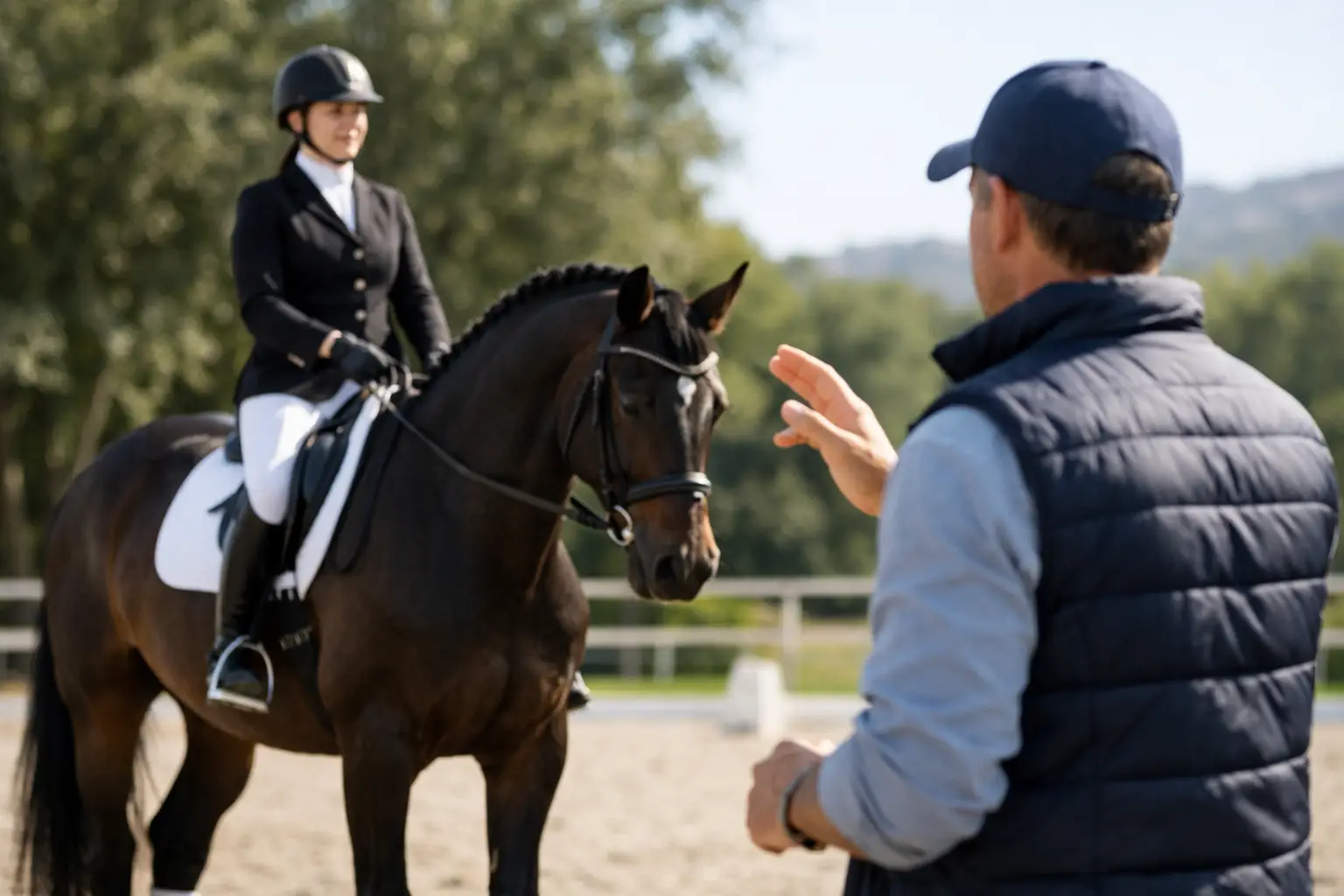
There is a big difference between riding more and riding better. Many adult amateurs and youth riders work hard, show up consistently, and genuinely love their horses, yet still feel stuck in the same patterns - crooked transitions, unclear aids, tension in the contact, or a test that never quite comes together. That is where dressage coaching for amateur riders becomes so valuable. Good coaching does not simply add more exercises to the ride. It helps the rider understand why things are happening, what to change, and how to create more harmony with the horse over time.
For amateur riders, that support matters because life is usually full. You may be balancing work, school schedules, family responsibilities, or the normal demands of horse ownership. Your riding time is precious. Coaching should make that time more productive, more focused, and ultimately more rewarding.
What dressage coaching for amateur riders should actually do
At its best, dressage coaching gives structure to progress. It takes the big goals - steadier contact, straighter lines, more balanced canter work, better scores, or a more confident seat - and breaks them into pieces that are realistic for the rider and fair to the horse.
That sounds simple, but it is where many riders either move forward or stay frustrated. Amateur riders often do not need more pressure. They need clearer feedback, a system they can repeat, and instruction that matches their current stage of development. A rider returning to the saddle after years away needs something different than a teen preparing for recognized competition. A capable rider on a sensitive horse needs something different than a newer rider building basic confidence on a schoolmaster.
Dressage is also one of the few disciplines where small details matter immediately. The angle of the rider's shoulders, the timing of the inside leg, the steadiness of the outside rein, and the quality of the halt all influence the horse's understanding. Personalized coaching helps those details become understandable instead of overwhelming.
Why private coaching often works best
For many amateurs, private instruction creates the best environment for steady progress. In a one-on-one lesson, the coach can watch the rider's position, the horse's way of going, and the communication between them in real time. That level of attention is hard to replace.
Private dressage coaching for amateur riders is especially helpful when the horse-and-rider pair has specific goals or challenges. Maybe the horse falls through one shoulder. Maybe the rider braces in downward transitions. Maybe there is anxiety around canter work, or confusion about how to warm up properly. Those are not issues that improve from generic advice. They improve when someone sees the whole picture and adjusts the lesson accordingly.
There is also a confidence piece that should not be overlooked. Many amateurs feel self-conscious asking basic questions, especially if they are newer to dressage or returning after time away. A private setting makes it easier to ask, repeat, clarify, and learn without distraction. That often leads to faster improvement because the rider is not just going through the motions. They are actually understanding the process.
Progress in dressage is rarely linear
One reason riders benefit from experienced coaching is that dressage progress does not happen in a straight line. A horse may feel soft and consistent one week, then distracted and tight the next. A rider may finally understand shoulder-in but lose quality in the trot transition. That does not mean the pair is failing. It usually means they are developing.
Amateur riders need coaching that allows room for that reality. Serious training should still feel encouraging. It should hold standards without making every imperfect ride feel like a setback.
This is especially important for riders who own their horses. The horse's age, fitness, soundness, workload, and temperament all affect what the ride should look like on a given day. A thoughtful coach knows when to press for more and when to simplify. Some days the right lesson is about refining lengthenings. Some days it is about regaining relaxation and rhythm. Both matter.
The best coaching includes horsemanship, not just patterns
Dressage is not only what happens between A and C. The quality of the ride is shaped by grooming, tacking, warm-up habits, recovery, turnout, fitness, and how well the rider reads the horse's mental state. That is why strong dressage coaching for amateur riders should include horsemanship alongside technical instruction.
Riders improve more quickly when they understand how to prepare the horse before getting on, how to recognize tension before it escalates, and how to finish a ride in a way that supports long-term soundness and confidence. Parents also appreciate this approach because it teaches responsibility, not just performance.
For younger riders, this foundation builds discipline and horse sense. For adults, it creates a more thoughtful and effective partnership. Either way, the horse benefits when the rider learns to see the full picture.
What amateur riders should look for in a coach
The right coach is not just talented in the saddle. They need to be able to teach clearly, consistently, and safely. That means explaining concepts in a way the rider can use, not simply demonstrating a higher level of skill.
A good coach for amateurs will set realistic expectations. They will be honest about what takes time. They will correct details without making the rider feel defeated. They will adapt to the horse in front of them. They will also care about basics. If a program jumps too quickly past rhythm, straightness, and rider position, the pair often ends up with bigger problems later.
It also helps to find a training environment where instruction is not rushed. In a boutique setting, riders and horses often receive more individual attention, and that can make a meaningful difference. Cleaner communication, safer routines, and more continuity from lesson to lesson give amateur riders a better chance to retain what they learn.
Goals can be competitive or personal
Not every amateur rider wants to show, and not every dressage goal needs to be competition-based. For some, success means riding a more balanced circle, sitting the trot with confidence, or learning how to help a green horse stay relaxed. For others, it means preparing for tests, improving scores, or moving up a level.
Both approaches are valid. Coaching should support the rider's actual goals rather than imposing someone else's version of success. At Eden Hills Equine, that individualized approach is what allows riders to develop with clarity and confidence rather than being pushed into a one-size-fits-all system.
There are trade-offs, of course. Riders who want rapid competitive advancement may need more frequent rides, a structured training schedule, and additional support outside regular lessons. Riders with limited time may progress more gradually. What matters is that the plan fits the rider's life and the horse's needs while still moving forward.
How consistency beats intensity
Amateur riders sometimes assume improvement requires dramatic changes or marathon schooling sessions. Usually, it does not. More often, progress comes from consistent, well-coached work. One accurate transition matters more than ten rushed ones. A balanced 20-meter circle with correct bend matters more than forcing advanced movement before the basics are confirmed.
That is one of the great strengths of dressage. It rewards patience, accuracy, and feel. Coaching helps amateurs stay focused on those qualities instead of chasing shortcuts.
When riders understand the purpose behind each exercise, they become more independent between lessons. They can warm up with intention, notice small changes in the horse, and make better decisions in the moment. That is when confidence starts to feel earned rather than borrowed.
A better ride starts with better guidance
Dressage asks riders to be precise, patient, and aware - and that can be deeply rewarding when the teaching is right. Whether you are helping a young rider build fundamentals, returning to the saddle as an adult, or trying to bring out the best in your own horse, personalized coaching creates a path that is both more effective and more supportive.
The goal is not perfection. It is a horse that feels better in the body, a rider who understands what they are asking, and a partnership that grows steadier with every ride. When coaching is thoughtful, individualized, and grounded in horsemanship, dressage becomes less mysterious and much more meaningful.