

A Parent's Guide to Horse Lease Agreements
A guide to horse lease agreements for families and riders, covering care, costs, safety, responsibilities, insurance, and clear expectations for success.
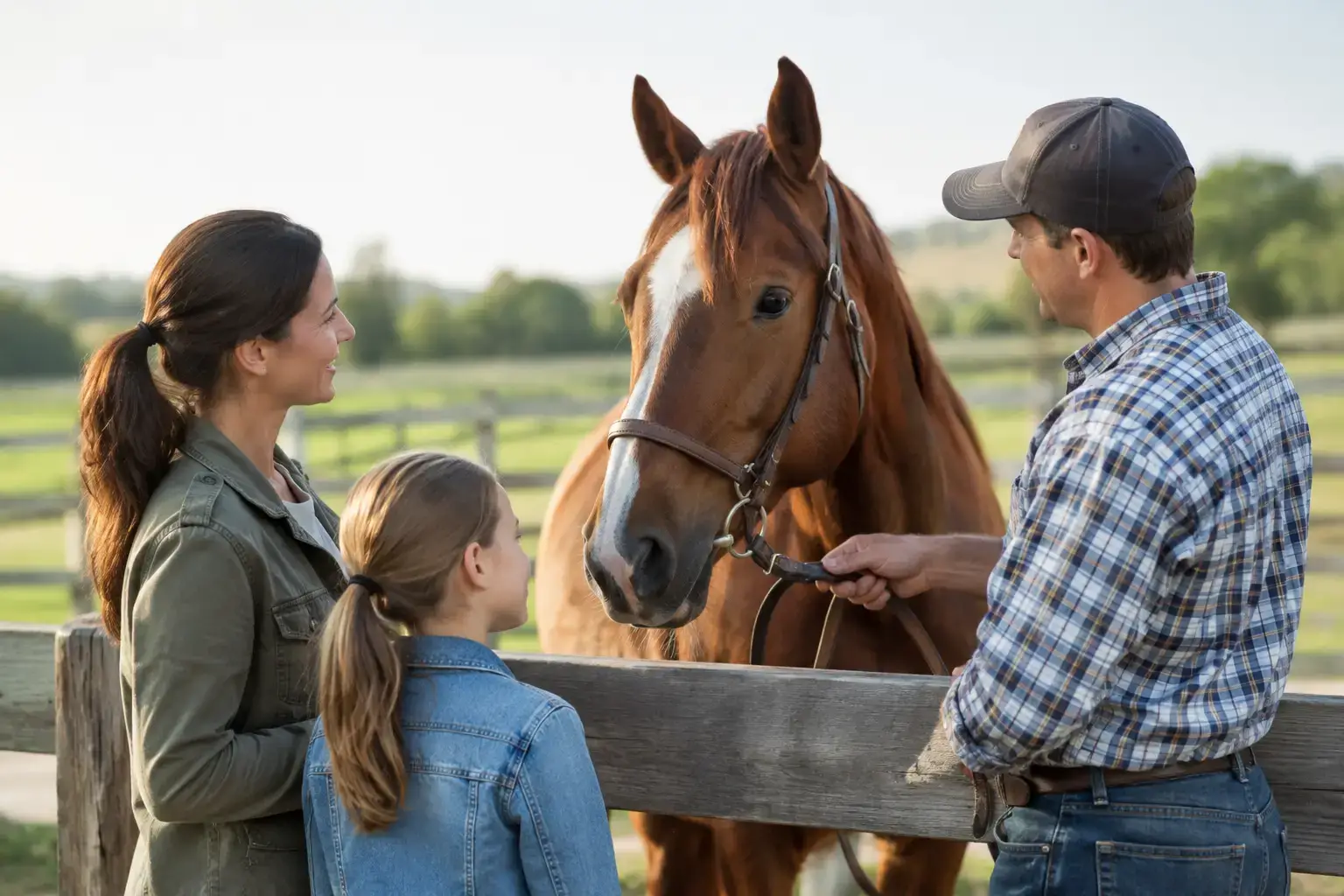
A horse lease can be one of the most meaningful next steps in a rider’s education. It offers more consistency than occasional lessons, while allowing a family to experience the responsibility of regular riding without immediately purchasing a horse. This guide to horse lease agreements explains what should be discussed before anyone signs, so the arrangement supports the horse’s well-being, the rider’s progress, and everyone’s peace of mind.
A good lease is more than permission to ride a particular horse. It is a shared plan for care, scheduling, expenses, training, and communication. Clear written expectations protect the owner and lessee, but they also prevent the misunderstandings that can take the joy out of an otherwise excellent opportunity.
What a Horse Lease Agreement Should Accomplish
At its best, a horse lease agreement gives a rider reliable access to a suitable horse while keeping the horse’s routine, health, and training consistent. For younger riders, it can teach commitment, patience, accountability, and the daily realities behind good horsemanship. For adults, it can create a practical path to more saddle time and more focused goals in jumping, dressage, or general riding development.
The agreement should identify the horse, owner, and lessee; define the lease term; explain what type of lease is being offered; list financial obligations; and set rules for riding, care, emergencies, and ending the lease. If a minor is leasing, a parent or legal guardian should sign and take responsibility for the terms.
The document does not need to be intimidating or overly complicated. It does need to be specific. Phrases such as “reasonable use” or “shared costs” can mean very different things to different people. A strong agreement turns those assumptions into clear expectations.
Choose the Right Type of Lease
Before discussing payment, decide what the rider is actually leasing. The right arrangement depends on the horse’s needs, the rider’s experience, and how often the rider hopes to be at the barn.
A partial lease generally gives the lessee access to the horse on designated days each week. The owner, another lessee, or a lesson program may ride the horse on the remaining days. This is often a sensible choice for developing riders because it provides consistency without asking one person to carry the full workload or cost of the horse.
A full lease usually gives one lessee most or all riding access for an agreed period. The horse may remain at its current facility, or the agreement may allow the horse to move. A full lease may involve broader responsibilities, including more of the horse’s monthly expenses.
A care lease may exchange some riding privileges for specific barn responsibilities, such as grooming, feeding under supervision, turnout, or stall care. It can be a valuable educational arrangement, but it should never place a child in charge of tasks beyond their ability or the facility’s safety policies.
Whatever the structure, the agreement should state exactly how many days the lessee may ride, whether lessons count toward those days, and whether make-up rides are available after weather cancellations, illness, or facility closures.
Define Riding Access and Training Expectations
A lease should support a horse’s training plan rather than disrupt it. Specify which disciplines and activities are permitted. For example, the agreement may allow flatwork, jumping at a stated height, trail riding with approval, or schooling shows. It should also identify any activities that are not permitted, such as unsupervised jumping, riding off the property, hauling, or lending the horse to a friend.
For a rider still building confidence, regular instruction is often part of responsible leasing. The agreement can require lessons with an approved instructor, set a minimum number of lessons per month, or require trainer approval before the rider advances to new skills. This is not simply a restriction. It helps ensure that the rider receives guidance suited to the horse and that progress remains safe and measurable.
Be candid about the horse’s temperament, training level, known sensitivities, and physical limitations. A horse who is kind for grooming may still need an experienced rider over fences. A horse returning from time off may require a careful conditioning schedule. Honest information helps match the lease to the rider instead of creating pressure for either horse or person.
Put Financial Responsibilities in Writing
Lease fees are only one part of the financial conversation. The agreement should state the monthly fee, due date, accepted payment method, late-payment policy, security deposit if one is required, and whether any amount is refundable.
It should also explain which ongoing costs are included and which are separate. Depending on the lease, these may include board, farrier care, routine veterinary care, vaccinations, dentistry, supplements, medications, training rides, lessons, show fees, hauling, blankets, tack repairs, and grooming supplies.
There is no single correct way to divide costs. A partial lessee may pay a set monthly amount that includes ordinary care, while a full lessee may assume a larger share of regular expenses. The essential point is that surprise bills should not be part of the arrangement. If a horse loses a shoe, needs a special supplement, or requires a veterinary visit, the agreement should clarify who makes the decision and who pays.
Address Care, Health, and Emergencies
The horse’s welfare must come first. A lease agreement should preserve the horse’s existing feeding, turnout, farrier, veterinary, and training routines unless the owner approves a change in writing. Lessees should know whom to contact if they notice a concern such as swelling, lameness, a cut, colic symptoms, lost shoes, changes in appetite, or unusual behavior.
Emergency provisions deserve particular attention. Identify the primary contacts, the veterinarian or emergency clinic to call, the maximum amount a lessee may authorize for immediate treatment if the owner cannot be reached, and how expenses will be handled. In a genuine emergency, timely care matters more than debating details by text message.
The agreement should also describe what happens if the horse becomes ill, injured, lame, or temporarily unsuitable for work. Will lease fees pause after a certain period? Can the lessee switch to another suitable horse if available? Is the arrangement extended once the horse returns to sound work? These decisions depend on the individual lease, but addressing them early is far kinder than negotiating while everyone is disappointed.
Include Safety Rules and Insurance Details
Horseback riding carries inherent risk, even with careful instruction, well-maintained facilities, and an appropriate horse-and-rider match. A written release of liability is commonly used alongside a lease agreement, and participants should understand what they are signing. In Texas, equine activity rules and liability considerations can be fact-specific, so owners and families should use current documents that have been reviewed for their situation.
The agreement should state required safety practices, including helmet expectations, footwear, supervision standards, facility rules, and who may handle or ride the horse. It should also address whether the lessee needs personal equine liability insurance, medical coverage, or coverage for borrowed tack and equipment. Families should ask their insurance professional what their existing policies do and do not cover.
If the horse is used in lessons, camps, shows, or off-property activities, include written permission and separate expectations for each. A rider should never assume that access to a leased horse automatically includes permission to take the horse to an event or invite another person to ride.
Protect the Horse, Owner, and Lessee at the End of the Lease
Every agreement should have a start date, end date, renewal process, and notice requirement for early termination. Thirty days’ written notice is common, but the appropriate period depends on the arrangement. The agreement should also explain when immediate termination is allowed, such as unsafe behavior, nonpayment, mistreatment, repeated rule violations, or a veterinary concern.
Include expectations for returning tack, blankets, grooming equipment, and any other borrowed items. If the lessee has purchased personal equipment for the horse, decide in advance whether it leaves with the lessee or stays with the horse. A brief condition check at the beginning and end of the lease can also prevent confusion about damaged or missing equipment.
For families, the best agreement leaves room for questions. Ask to walk through the horse’s routine, practice safe handling procedures, and clarify how communication will work. At Eden Hills Equine, thoughtful lease arrangements are part of helping riders build confidence through consistent, well-supported horsemanship.
A lease should feel like a commitment with guidance, not a test of whether a rider can figure everything out alone. When the terms are clear and the horse’s needs remain at the center, riders can spend less time wondering what is expected and more time developing the quiet skills that make good horse people.