

Horse Boarding Reviews: What Actually Matters
Horse boarding reviews can reveal daily care, safety, and communication standards. Learn what to look for before choosing a home for your horse with care.
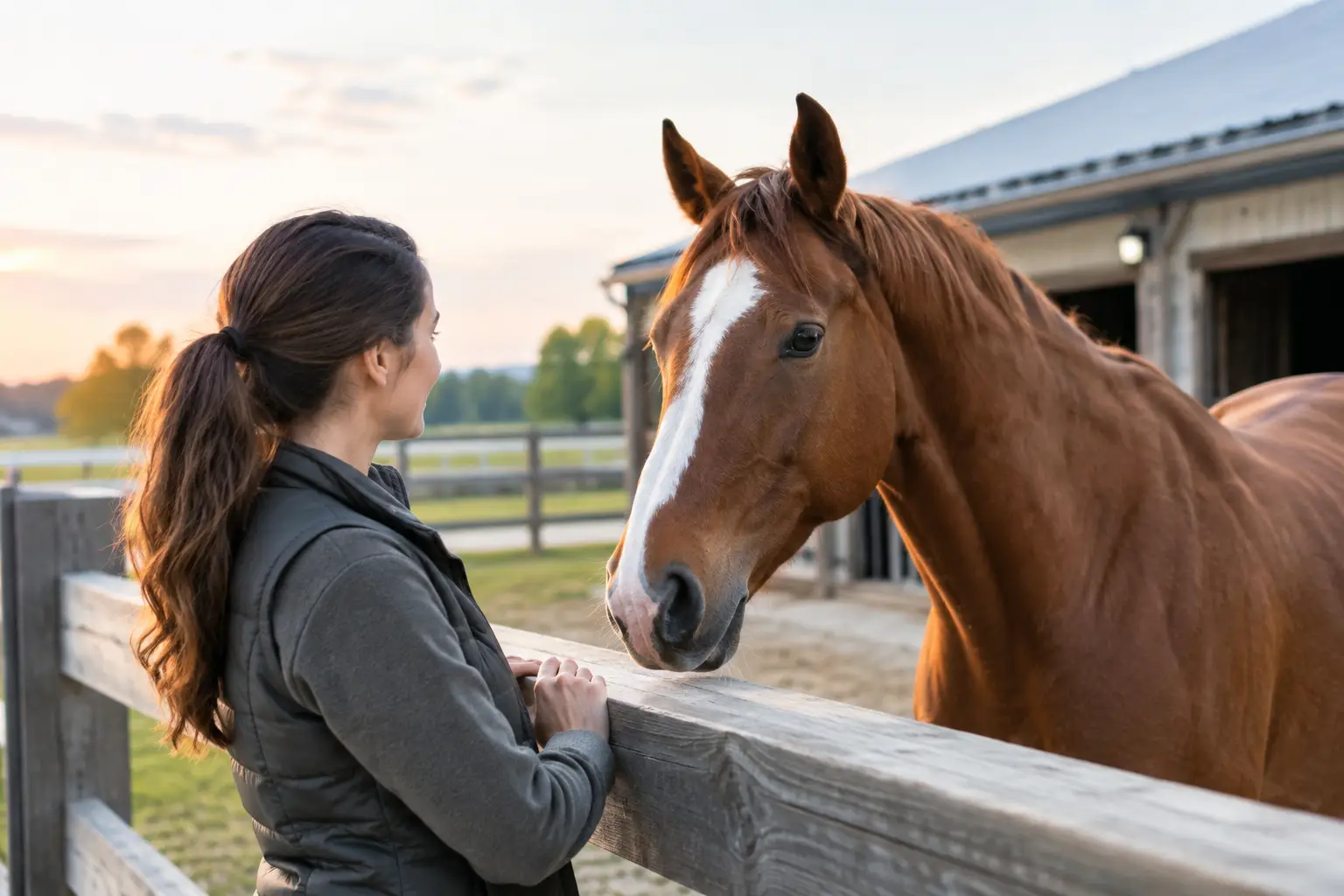
A barn can look beautiful during a scheduled tour and still leave important questions unanswered: Does someone notice when a horse is off his feed? Are turnout groups managed thoughtfully? Will the owner hear promptly if something changes? Horse boarding reviews can offer useful clues about these everyday realities, especially when you read them with the same care you would use when evaluating a horse’s health, training, and routine.
For families and horse owners, boarding is not simply a stall rental. It is a decision about the people who will observe, feed, handle, and support a horse every day. Reviews can help clarify whether a program’s stated standards are consistently felt by the people who trust it with their horses and children.
How to Read Horse Boarding Reviews Carefully
The most helpful reviews tend to be specific. A comment such as, “My horse is happy there,” is encouraging, but it becomes more meaningful when the reviewer explains why. Perhaps they mention consistent feeding, clean stalls, attentive communication during an injury, knowledgeable instruction, or staff who understand the horse’s individual needs.
Look for patterns rather than trying to draw a conclusion from one glowing review or one frustrated comment. A single review may reflect a unique circumstance, personality conflict, or expectation that was not aligned from the beginning. When several reviewers independently mention the same strengths - thoughtful care, a well-maintained property, calm horses, responsive management, or individualized attention - that pattern deserves weight.
It also helps to consider who is writing. A first-time horse owner may value clear guidance and frequent communication. A competitive adult amateur may be more focused on footing, training access, and scheduling. A parent may be paying close attention to safety, instruction, and whether their child is treated with patience and respect. None of these perspectives is more valid than another, but the most relevant review is one from someone whose needs resemble your own.
Specific care details are more useful than broad praise
Strong reviews often describe the details that matter when no one is watching. They may reference turnout routines, blanketing policies, hay quality, water access, medication administration, farrier and veterinary coordination, or how a horse was managed during a period of recovery.
A review does not need to list every care protocol to be valuable. Still, descriptions of consistent routines are often more reassuring than vague statements about a “great place.” Horses thrive on dependable management, and owners need confidence that their horse’s care will not change unpredictably from day to day.
Notice how communication is described
Boarding relationships are built on communication. Horses can have minor scrapes, changes in appetite, loose shoes, shifting behavior, or signs that deserve an owner’s attention. Reviews that mention timely updates, clear explanations, and a willingness to answer questions can reveal a great deal about a facility’s management culture.
At the same time, realistic expectations matter. Immediate responses at every hour are not always possible, particularly when barn staff are actively caring for horses. The standard to look for is not constant texting. It is responsible communication, appropriate urgency, and confidence that meaningful concerns will be addressed rather than overlooked.
What Horse Boarding Reviews May Not Tell You
Reviews are one part of the decision, not the entire decision. They cannot show you the current condition of the facility, how full the barn is now, whether a particular turnout group is a suitable match for your horse, or whether the program has availability for the services you need.
They also rarely explain the full context behind a negative experience. A horse owner may have wanted more training support than was included in their package. A rider may have been disappointed by a policy that was actually designed for safety. A barn may have ended a relationship because a horse required care beyond what it could appropriately provide. Reading with empathy and discernment is more useful than assuming every complaint tells the full story.
Use reviews to form smart questions for your tour. If several people praise attentive care, ask how staff monitor horses daily and how concerns are communicated. If reviewers mention a friendly atmosphere, observe whether the environment feels organized and respectful as well as welcoming. The goal is to confirm that the qualities described online are visible in person.
Questions to Ask After Reading Reviews
Once reviews have helped you narrow your options, a thoughtful visit should provide the rest of the picture. Ask what full-care boarding includes and what services carry an additional fee. Clarify feeding schedules, hay access, turnout frequency, stall cleaning, blanketing, fly management, and procedures for administering supplements or medication.
Ask about emergency protocols as well. Who contacts the owner if a horse becomes ill or injured? Which veterinarian is called in an emergency? Is someone experienced available to recognize changes in behavior, soundness, or appetite? A well-run program should be able to explain its approach clearly, without making promises that disregard the unpredictability of horses.
For riders, the training environment matters just as much as the stall. Parents may want to know how instructors set expectations for safety and horsemanship, while adult riders may ask how lessons and training rides are tailored to specific goals. If you plan to pursue jumping or dressage, look beyond the presence of an arena. Ask about footing maintenance, lesson structure, trainer access, and how horse-and-rider progress is evaluated over time.
A boutique setting can be especially valuable for owners who want closer oversight, but it may also have more limited space or a more structured schedule than a large operation. That is not a disadvantage if the program’s approach matches your priorities. The right barn is rarely the one that tries to be everything to everyone. It is the one that delivers its stated level of care consistently and communicates honestly about what it provides.
During Your Visit, Watch the Horses
A facility tour should engage more than your eyes. Listen to the atmosphere. Is there steady, purposeful activity or visible confusion? Are aisles reasonably clear? Do staff members handle horses calmly? Is the property designed with practical safety in mind, from secure fencing to organized spaces for grooming, tacking up, and riding?
Most importantly, observe the horses. No group of horses will look identical, and a horse’s age, workload, coat condition, and medical history all affect appearance. Still, you should generally see horses that appear comfortable, appropriately managed, and settled in their environment. Notice access to clean water, the condition of stalls and turnout areas, and whether horses seem anxious, isolated, or consistently underweight.
If possible, visit at a normal working time rather than only during a polished open-house event. Watch how lessons are conducted, how riders share space, and how staff interact with boarders. For a child or teen, the culture around correction and encouragement is especially meaningful. A quality program builds confidence without allowing safety standards or horsemanship expectations to slip.
Match the Review to Your Horse’s Needs
The best boarding decision is personal. A retired senior, a young horse in training, a competitive jumper, and a family horse used for weekly lessons may all need different management. The same is true for owners. Some prefer a highly independent arrangement, while others value regular trainer input and a team that helps coordinate the horse’s broader care.
Consider your horse’s temperament, turnout needs, feeding requirements, workload, and history. Then consider your own schedule and experience. A newer owner may benefit from a program that welcomes questions and provides education. A developing rider may need private instruction that creates measurable progress without rushing foundational skills. At Eden Hills Equine, that individualized perspective is central to both horse care and rider development, because the strongest progress comes from paying attention to the partnership as a whole.
Horse boarding reviews are most valuable when they lead to better conversations, not faster decisions. Read for recurring evidence of care, safety, professionalism, and communication. Then visit, ask direct questions, and trust the details you can see. Your horse’s next home should feel like a place where thoughtful daily management is not an extra - it is the standard.