

Horse Care Routines for Boarded Horses That Work
Horse care routines for boarded horses help owners protect health, comfort, and training progress through clear communication and regular checks daily.
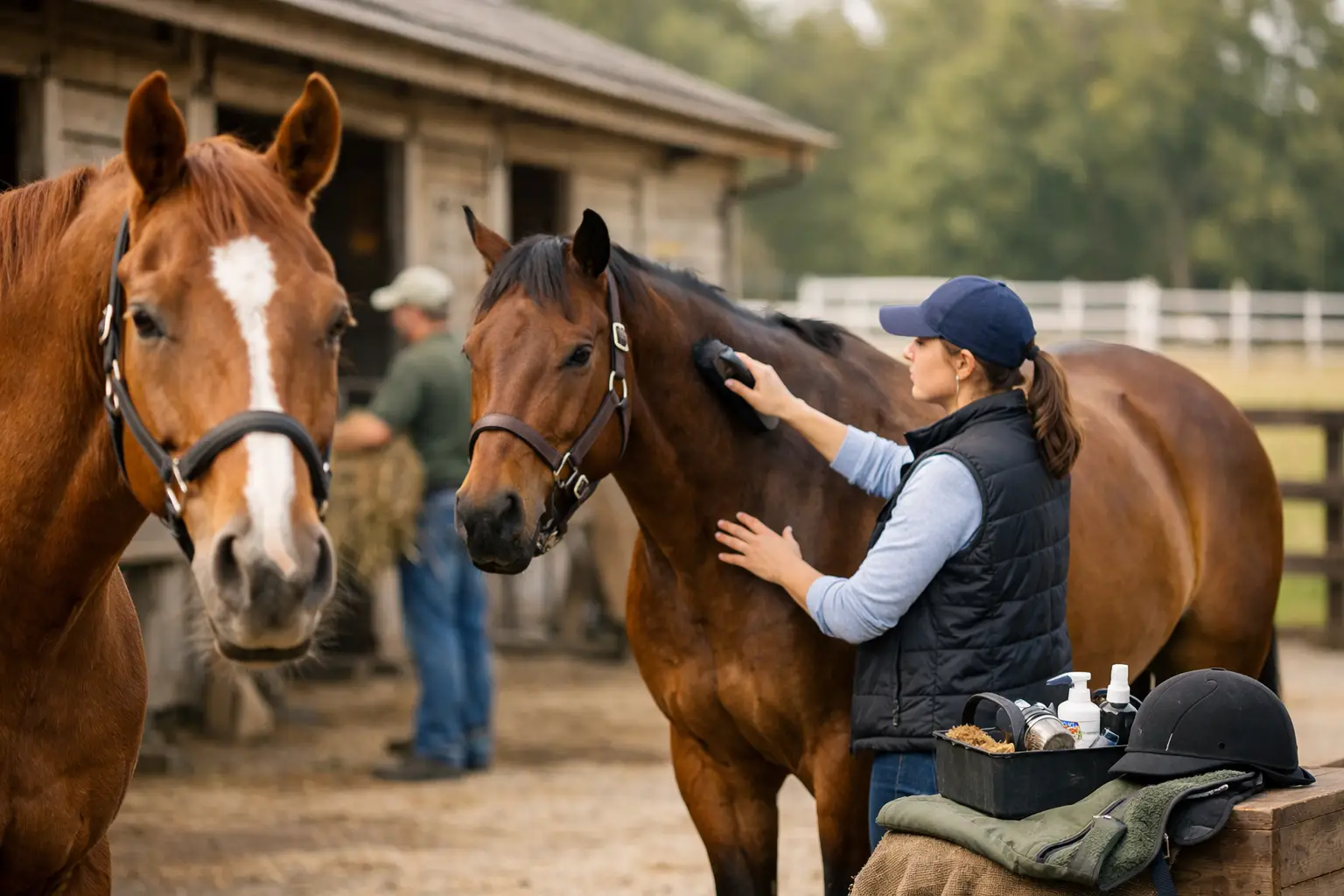
A boarded horse may be seen every day by professional caretakers, yet the owner still plays an essential role in noticing small changes and making informed decisions. Thoughtful horse care routines for boarded horses create a shared system between the owner, trainer, and care team - one that supports soundness, comfort, safety, and steady progress under saddle.
For families and adult owners alike, the goal is not to micromanage daily barn operations. It is to understand what good full-care management looks like, ask clear questions, and maintain a consistent connection with the horse. The best routine is practical enough to sustain during busy school weeks, work travel, horse shows, and changing weather.
What Full Care Should Cover
Full-care boarding generally means the facility handles a horse's core daily needs: feeding, fresh water, stall cleaning, turnout, basic observation, and coordination with the owner when something needs attention. Exact services differ by program, so owners should understand the care agreement rather than assume every task is included.
A well-managed routine starts with consistency. Horses do best when feeding times, turnout patterns, and handling expectations are predictable. Sudden changes in hay, grain, turnout, supplements, or exercise can affect digestion, behavior, and overall condition. When a change is necessary, it should be made thoughtfully and communicated to the people responsible for the horse each day.
At a boutique program, individualized attention also matters. A horse recovering from a hard training week, adjusting to a new feed plan, or showing signs of stiffness may need a modified routine. That kind of care depends on close observation and timely communication, not a one-size-fits-all schedule.
Horse Care Routines for Boarded Horses Start With Observation
Owners do not need to be at the barn every morning to remain attentive. However, each visit should include a calm, purposeful check-in before grooming or riding. Watch the horse walk out of the stall or pasture. Notice appetite, attitude, manure consistency, coat condition, swelling, cuts, and whether the horse seems comfortable moving.
A horse that is normally eager to greet people but suddenly stands quietly at the back of the stall may simply be tired. It may also be the first sign of discomfort, stress, or illness. One unusual day is not always an emergency, but a pattern deserves attention. Share observations with the trainer or barn manager rather than waiting until the next lesson.
A simple visit routine
Begin by looking at the whole horse from a few steps away. Check legs and hooves while grooming, run your hands over the back and girth area, and pay attention to any sensitivity. After riding, allow adequate cool-down time and confirm the horse has access to water before leaving.
This routine is especially valuable for young riders. It teaches that horsemanship starts before mounting and continues after dismounting. A rider who can recognize a loose shoe, warm tendon, or rubbed saddle area becomes a safer and more thoughtful partner for their horse.
Keep Feeding and Supplements Clearly Organized
Feed programs should reflect the horse's workload, age, body condition, forage access, and medical needs. More grain is not automatically better for an active horse, and a horse in regular training may still need adjustments as seasons, turnout, or exercise change. The care team, trainer, and veterinarian can help guide those decisions.
Owners should keep written instructions current. If a supplement is added, changed, or discontinued, make sure the person feeding it knows exactly what to give, how much to give, and where it is stored. Use labeled containers and avoid leaving unmarked powders or medications in the feed room.
Texas heat makes water intake particularly important. During hot, humid periods, horses may sweat heavily and need careful monitoring after exercise. Clean water, appropriate recovery time, and a plan for electrolyte use when recommended can make a meaningful difference. If a horse is drinking less than usual, seems dull, or has reduced manure output, notify the care team promptly.
Build Exercise Around the Horse, Not the Calendar
A boarded horse's exercise routine should be based on conditioning, training goals, turnout, soundness, and temperament. Some horses benefit from several structured rides each week. Others need a lighter program, more walking, or carefully managed rest days. A horse in jumping or dressage training should not be pushed through soreness simply because a lesson is already on the calendar.
For owners in a training program, communication helps keep work balanced. Tell the trainer when you have ridden independently, attended a clinic, or noticed a change in behavior. That information allows the week's schedule to be adjusted with the horse's physical and mental well-being in mind.
Rest is part of training. Turnout, hand walking, grazing time when appropriate, and quiet days can support a horse's body and attitude. The right balance depends on the individual horse. A fit, experienced show horse and a green horse learning confidence under saddle will not need the same routine.
Stay Ahead of Hoof and Health Care
Routine farrier, dental, vaccination, and veterinary care should be planned before it becomes urgent. Keep a calendar with shoeing or trimming dates, vaccination schedules, dental appointments, deworming guidance from the veterinarian, and any ongoing treatment plans. A reliable record is helpful when several people are involved in the horse's care.
Hoof care is especially easy to overlook when a horse is turned out or ridden less often. Pick out hooves during visits, watch for loose shoes, and report cracks, heat, odor, or sudden tenderness. Waiting until a shoe is nearly off can turn a simple farrier visit into lost riding time or a preventable injury.
Owners should also know the facility's emergency procedures. Ask who contacts the veterinarian, how the owner is reached, what authorization is on file, and whether there are any limits on emergency spending before approval is needed. These conversations are far easier to have when the horse is healthy.
Create a Clear Communication Rhythm
Excellent board care is a partnership. The most useful communication is specific, respectful, and timely. Instead of saying, "He seems off," explain what you observed: "He was reluctant to pick up his right lead today and felt short at the trot." Details help the trainer and care team decide what to monitor or whether the horse needs to be rested, evaluated, or seen by a veterinarian.
Owners also benefit from knowing which concerns need immediate attention and which can wait for a scheduled conversation. Colic signs, lameness, injury, fever, significant swelling, or a horse that is not eating are urgent. Questions about tack fit, training goals, body condition, or a minor behavioral pattern may be better addressed during a lesson or a planned check-in.
For parents, one designated point of communication can be especially helpful. Children should always be encouraged to share what they notice, but adults can keep decisions about medical care, training changes, and expenses organized. This protects the horse while giving young riders a healthy, age-appropriate role in responsibility.
Make Grooming and Tack Care Part of the Standard
Grooming is not only about presentation. It is a daily opportunity to inspect skin, legs, hooves, and muscles. Clean tack matters for the same reason. A dirty girth, stiff saddle pad, or poorly maintained bridle can create rubs and discomfort that affect a horse's willingness to work.
After each ride, remove sweat and dirt from areas covered by tack. Check saddle pads for worn spots, clean bits, and make sure leather is conditioned often enough to remain safe and supple. Tack fit should be reassessed as a horse changes condition, develops muscle, or returns to work after time off.
Review the Routine as the Horse Changes
A good care plan is not fixed forever. Review it regularly, particularly after a move, seasonal weather shift, change in workload, injury, or adjustment in turnout. Consider whether the horse is maintaining a healthy weight, moving comfortably, progressing in training, and staying content in its daily environment.
The most successful boarded-horse routine is built on small, consistent habits: observe closely, communicate early, respect professional guidance, and keep the horse's needs ahead of convenience. That steady attention gives every horse the best opportunity to feel well, work confidently, and thrive in its program.