

A Horse Training Program Guide for Lasting Progress
This horse training program guide helps owners choose safe, individualized goals, routines, and professional support for steady, confident progress today.
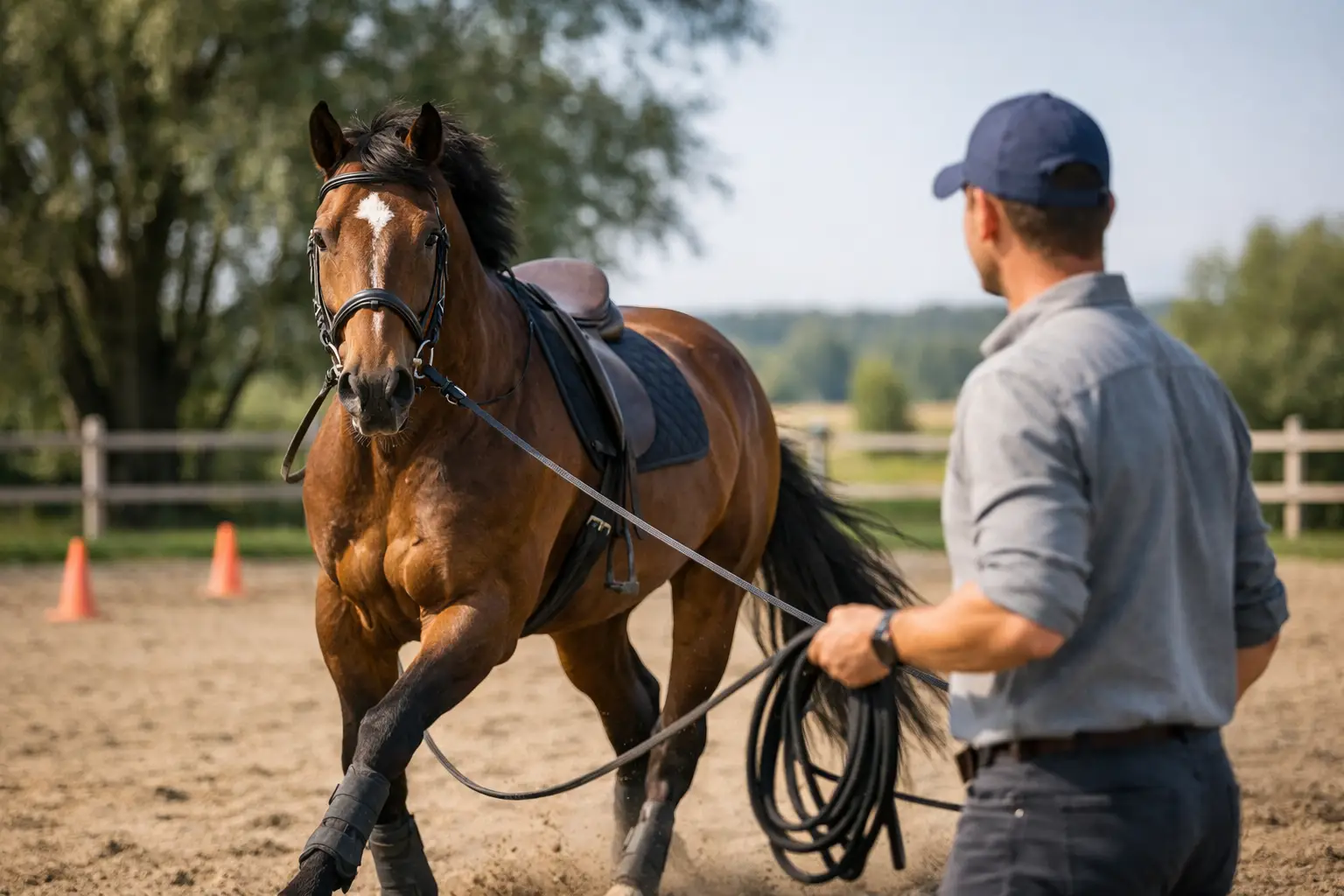
A good horse training program guide starts with a simple truth: training is not a set number of rides or a quick fix for one behavior. It is a thoughtful plan that helps a horse become safer, stronger, more confident, and more prepared for the work asked of them. For the rider or owner, it should also create clarity. You should know what your horse is working on, why it matters, and how progress will be measured over time.
For families with young riders, adult amateurs returning to the saddle, and owners with performance goals, the right program balances structure with flexibility. Horses are individuals. Their age, fitness, temperament, history, turnout routine, and rider all affect the pace of training.
Start With the Horse in Front of You
Before setting goals, take an honest look at the horse's current condition and education. A green horse may need to learn quiet basics such as leading politely, standing for grooming, accepting the rider's aids, and maintaining a steady rhythm at the walk and trot. An experienced horse may need conditioning, refinement, or help rebuilding confidence after time off.
Soundness and comfort come first. A horse that resists a task is not automatically being difficult. Saddle fit, hoof balance, dental needs, muscle soreness, ulcers, changes in turnout, and workload can all influence behavior. A professional training program should notice changes early and communicate when a veterinary, farrier, dental, or saddle-fitting evaluation may be appropriate.
This careful starting point protects both horse and rider. It also prevents a common frustration: asking a horse to perform at a level their body or education has not yet prepared them to handle.
Set Goals That Are Specific and Kind
“Better behavior” is understandable, but it is too broad to guide daily training. Clear goals give the trainer a direction and help owners recognize meaningful progress. For example, a goal might be for a horse to load calmly, canter balanced circles, develop more reliable transitions, or begin a consistent jumping course at an appropriate height.
The most useful goals describe both the skill and the standard. Rather than simply wanting a horse to “be better at dressage,” an owner might work toward a relaxed, forward trot with soft, consistent contact and accurate basic figures. For a rider preparing to lease or show, the goal may include the rider's position, decision-making, and ability to care for the horse safely on the ground.
Goals should be reviewed regularly. Some horses move quickly through one lesson and need more time with another. Adjusting the plan is not a failure. It is responsible horsemanship.
What a Horse Training Program Should Include
A quality program is more than riding a horse several times each week. It brings together schooling, conditioning, horse care, and clear communication. The exact schedule depends on the horse, but every program should account for these connected pieces:
- Ground manners and handling: Safe leading, grooming, tacking, tying, standing for the farrier, and respectful personal space make every part of horse ownership easier and safer.
- Ridden education: Flatwork, transitions, steering, balance, responsiveness, and appropriate discipline-specific skills provide the foundation for jumping or dressage.
- Fitness and recovery: Horses need work that builds strength gradually, along with turnout, rest days, and variation to support mental freshness.
- Care coordination: Training decisions should consider nutrition, hoof care, veterinary recommendations, equipment, and changes in the horse's daily routine.
- Owner communication: Owners deserve updates about progress, challenges, upcoming priorities, and any concerns that need attention.
Not every horse needs the same number of training rides. A young horse may benefit from shorter, carefully planned sessions with plenty of mental breaks. A fit, experienced horse in a consistent program may handle more structured work. The right frequency depends on the horse's needs, not a one-size-fits-all calendar.
Build the Foundation Before Asking for More
Whether the long-term goal is quiet trail riding, confident jumping, or polished dressage, the foundation remains the same. A horse should move forward willingly, steer with balance, respond to basic aids, and remain attentive without becoming tense. These skills are built through repetition, patience, and fair expectations.
For jumping horses, flatwork is not separate from jumping. Straightness, rhythm, transitions, and adjustability allow a horse to approach fences with confidence. For dressage horses, the same basics support correct development: relaxation, a regular tempo, acceptance of the aids, and gradual strength through the topline and hindquarters.
Rushing past these basics can create problems that become harder to solve later. A horse may jump a fence before they truly understand balance and rhythm, but repeated jumping without that foundation can lead to rushing, refusals, loss of confidence, or unnecessary strain. A measured program protects the horse's future.
Match Training to the Rider's Development
Horse training and rider instruction work best together. A horse can learn consistent expectations in professional rides, yet the rider also needs coaching to recognize and continue those expectations. This matters especially when a parent has invested in a child's riding journey or when an adult amateur is building confidence after a break from riding.
Private instruction gives the trainer time to focus on the specific horse-and-rider pair. The rider can learn why a horse responds a certain way, how to use their aids more clearly, and when to ask for help rather than trying to push through a challenge alone. That kind of individual attention supports safer habits and more lasting progress.
At Eden Hills Equine, individualized programs are built around both the horse's care and the rider's education. The goal is not simply to create a polished ride in the moment. It is to develop capable, thoughtful horse people who understand the responsibility behind the sport.
Look for Progress Beyond a Perfect Ride
Some of the most valuable signs of progress are quiet ones. A horse may stand more patiently for tacking, recover more quickly after a new exercise, maintain rhythm through a transition, or show less anxiety in an unfamiliar setting. These changes matter because they reflect growing trust and understanding.
Keep a simple record of training sessions, especially if your horse is in a monthly program. Notes can include what was worked on, how the horse felt, any changes in behavior, and the next priority. Photos and video can also be useful when reviewed over several weeks or months, rather than judged ride by ride.
There will be uneven days. Weather, growth, hormones, turnout changes, rider tension, and normal learning curves all affect performance. Good training does not demand perfection from a horse every day. It looks for patterns, responds thoughtfully, and keeps the larger goal in view.
Questions to Ask Before Choosing a Program
Before enrolling a horse in training, ask how the program is tailored to individual needs and how often you can expect updates. Find out who handles the horse, how training rides are structured, and how the trainer approaches setbacks or behavior changes. It is also reasonable to ask how riding lessons can be incorporated if you will be working with your horse yourself.
Pay attention to whether the program considers the full picture. A training plan should not exist separately from turnout, feed, farrier care, tack, and the horse's physical condition. Clear communication is especially valuable for owners who cannot visit every day or families learning the responsibilities of horse ownership for the first time.
The best fit is not always the fastest path to a new skill. It is the program where your horse is handled with consistency, your questions are welcomed, and the work supports the horse you hope to have years from now.
A well-designed program gives horses time to learn and gives riders a trustworthy framework for growing with them. Start with a clear goal, stay attentive to the horse's feedback, and allow patient, professional work to build the confidence that lasts.