

How to Choose Horse Training Programs Near Me
Searching for horse training programs near me? Learn what to look for in safety, coaching, horse care, and long-term rider progress.
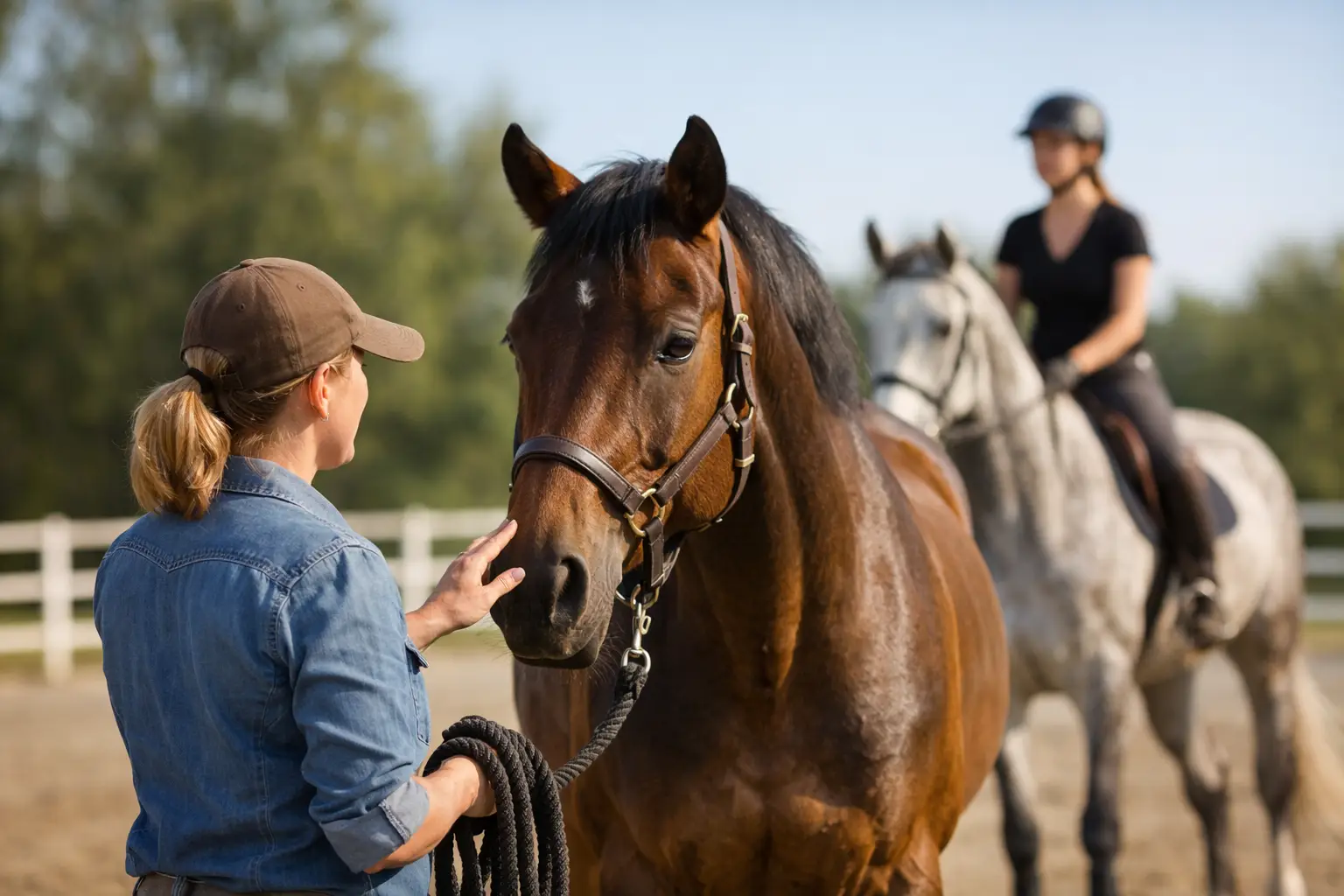
If you have ever typed horse training programs near me into a search bar, you were probably not just looking for a place with an open slot. You were looking for confidence. Confidence that your horse will be handled correctly, that your child will be taught safely, or that your own riding goals will be taken seriously instead of folded into a one-size-fits-all program.
That is the real difference between simply finding a barn and finding the right training environment. A strong program should improve skill, build trust, and support the horse as carefully as it supports the rider. For families and owners, that matters far more than a polished sales pitch.
What horse training programs near me should actually offer
The phrase horse training programs near me can mean very different things depending on your needs. Some riders need help starting from the ground up with basic balance, steering, and confidence. Others need a structured monthly program for a horse that requires consistent professional rides, schooling, and oversight. Owners may be looking for support with manners, flatwork, jumping, dressage foundations, or general rideability.
A quality program starts by defining the goal clearly. Is the horse being trained, the rider being trained, or both? That distinction is easy to miss, but it changes everything. A rider who needs private instruction benefits from focused teaching and feedback. A horse in training needs consistency, thoughtful scheduling, and a professional who can read behavior, fitness, and progress over time.
The best programs recognize that these pieces often overlap. When horse and rider are educated together, progress tends to be steadier and safer. When they are treated separately without a plan, improvement can stall.
Start with safety, not marketing
Parents and horse owners are right to be selective here. Horse training is not only about talent or results. It is about management, supervision, and decision-making. A polished website or social feed may look impressive, but your first questions should be practical.
How are lessons structured? Who is on site daily? How are horses matched to riders? What happens when a horse feels fresh, anxious, or physically off? Is the environment organized in a way that reduces chaos?
A safety-first training setting usually feels calm, not rushed. Horses are handled with consistency. Riders know what is expected. The facility is designed for usefulness, not just appearance. That includes secure fencing, sensible riding spaces, and clear routines around turnout, feeding, and supervision.
This is especially important for young riders and adult beginners. They do not need to be thrown into a busy group setting just to keep the schedule moving. They need attention, clear instruction, and the chance to build correct habits early.
Private instruction often leads to faster progress
Not every rider needs the same teaching style, and not every horse responds to the same training schedule. That is why individualized coaching tends to produce better long-term results than high-volume lesson formats.
Private instruction gives the trainer room to see details. A rider who tips forward over fences, collapses a hip in the corner, or loses rein connection in transitions can be corrected immediately. A nervous child who needs a slower pace can be supported without feeling left behind. An adult rider returning after years away can rebuild confidence without the pressure of keeping up with a group.
For horse owners, the same principle applies. A monthly training program should not feel generic. It should reflect the horse’s age, fitness, temperament, workload, and current education. A green horse, a seasoned show horse, and a horse coming back into work after time off should not all be managed the same way.
That tailored approach is one of the clearest signs that you are looking at a serious program rather than a crowded operation built around volume.
Horse care is part of training
This is where many people underestimate what makes a program truly effective. Training is not only what happens during a ride. It is influenced by turnout, feeding, consistency in handling, recovery time, and the overall condition of the horse.
A horse that is sore, stressed, underweight, overworked, or mentally fried will not train well. Even an experienced rider cannot make meaningful progress if the horse’s basic needs are not being managed properly. Good programs know that horse care and rider development are connected.
That is why it is worth asking how horses are monitored day to day. Is someone paying close attention to changes in appetite, movement, attitude, or soundness? Are training rides adjusted when needed? Is there enough oversight to notice small issues before they become large ones?
Boutique programs often have an advantage here because lower volume allows for closer observation. When ownership and management are actively involved on site, communication is usually stronger and care is easier to personalize.
A good fit depends on your goals
Not every family or owner is looking for the same outcome. Some want a child to learn responsibility, confidence, and safe basics in a structured environment. Some teens are ready for more technical development in jumping or dressage. Some adult amateurs want thoughtful instruction without the pressure of competition. Some owners need a training program that supports the horse while also giving them coaching as a rider.
None of those goals are more valid than the others, but they do require clarity. A program that is perfect for a casual once-a-week rider may not be right for someone pursuing measurable advancement. A horse that needs consistent professional training may require more than occasional rides and good intentions.
It helps to ask what progress looks like in that program. Is there a plan? Are milestones discussed? Does the trainer explain why certain exercises matter? The strongest programs are not just reactive. They teach with purpose.
What to look for when visiting horse training programs near me
Once you begin touring horse training programs near me, trust what you see as much as what you hear. Watch how horses are handled from the ground. Notice whether riders receive specific coaching or vague encouragement. Pay attention to the condition of the horses, the orderliness of the barn, and the overall tone of the environment.
You want a place where professionalism and warmth live together. Families should feel welcome, but the standards should still be clear. Horses should look well cared for, not just well used. Instruction should sound intentional, not improvised.
It is also worth noticing whether the trainer asks questions about you. A thoughtful program will want to understand your experience, goals, concerns, and timeline. That kind of conversation signals that the training will be built around the individual, not squeezed into a preset formula.
For riders in the Wimberley area, this level of personalization can be especially valuable when searching for a program that balances serious horsemanship with a family-friendly atmosphere. Eden Hills Equine reflects that boutique approach by pairing individualized instruction with premium horse care in a setting designed for focus, safety, and steady development.
Beware of the fastest promise
Horse training is one of those fields where big promises can sound tempting, especially if you are eager to solve a problem quickly. But fast does not always mean thorough, and dramatic short-term results do not always hold up.
A better question is whether the work is being done correctly. Is the horse becoming more rideable because it understands the aids and feels supported, or simply because it has been drilled into compliance? Is the rider improving through real education, or just getting through the lesson?
Sustainable progress usually looks quieter than people expect. It shows up in straighter lines, softer transitions, better balance, calmer handling, and increased confidence. Those changes may not sound flashy, but they are the foundation for everything that comes later.
The right program should feel like a partnership
At its best, a training program is not a drop-off service. It is a relationship built on communication, trust, and shared standards. Riders and parents should feel informed. Owners should understand how the horse is progressing and why certain choices are being made. Trainers should be accessible, observant, and honest about what is realistic.
That kind of partnership matters because horses do not progress in a straight line. There are plateaus, confidence dips, fitness changes, and moments when the right next step is to slow down. A good program does not hide those realities. It works through them with care and professionalism.
If you are searching for horse training programs near me, look past convenience alone. Choose the place where instruction is thoughtful, horse care is taken seriously, and progress is measured in more than quick fixes. The right environment will not just teach better riding. It will help build the kind of horsemanship that lasts.