

Horse Lease Reviews: What Families Should Check
Read horse lease reviews with confidence. Learn what families should check for safety, horse care, instruction, costs, and a positive leasing experience.
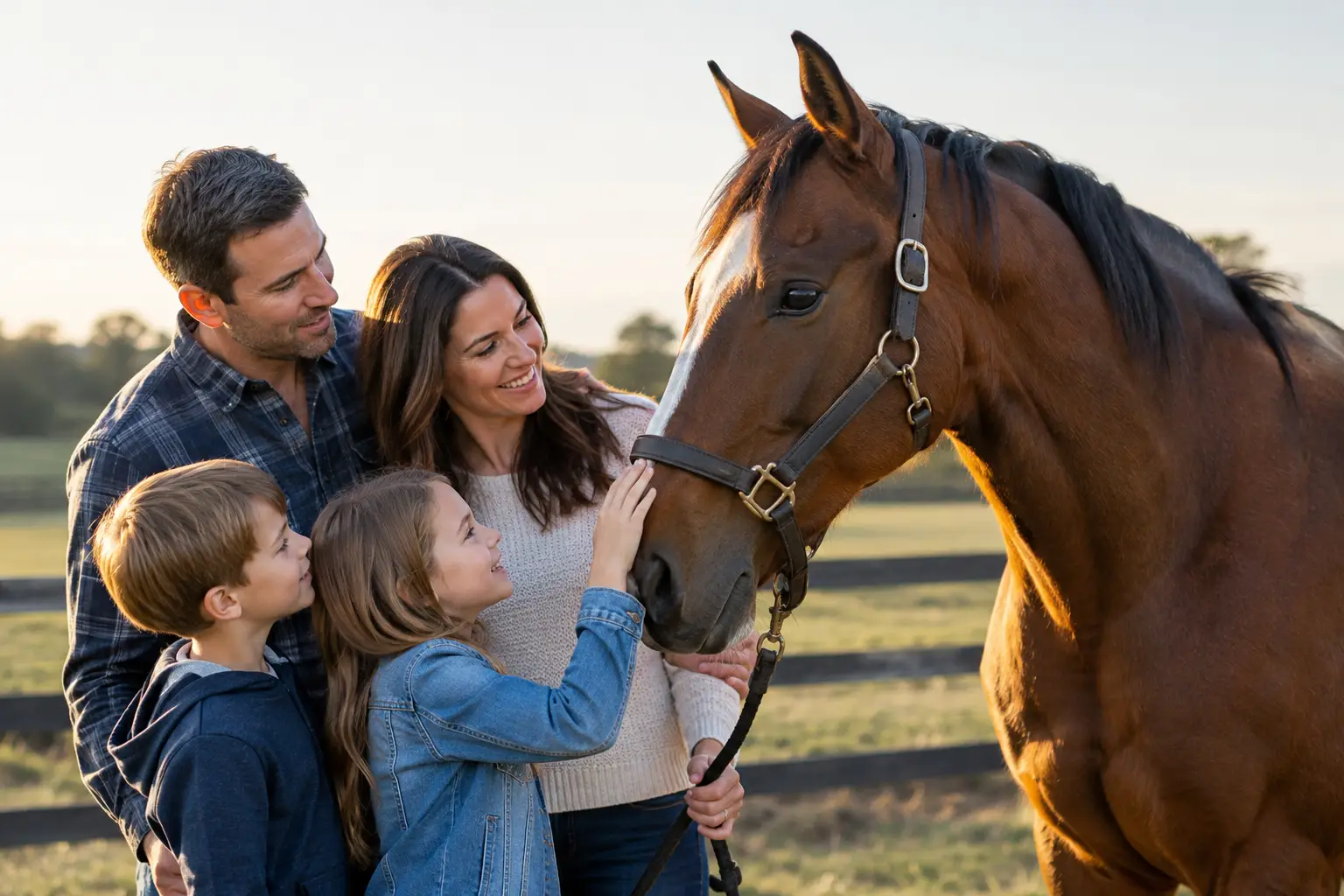
A horse lease can be the turning point between simply taking lessons and beginning to understand the daily responsibility of horsemanship. Yet horse lease reviews can be difficult to interpret when one family is focused on show opportunities, another wants more saddle time, and a third is evaluating whether their child will be safe and supported. The most useful reviews reveal how a program cares for horses, communicates with families, and helps riders grow over time.
For parents, adult amateurs, and developing young riders, a lease is not just access to a horse. It is a meaningful commitment of time, trust, and money. Reading reviews thoughtfully can help you find a program where that commitment supports both rider confidence and equine well-being.
What Horse Lease Reviews Can Tell You
The strongest reviews are specific. Rather than saying a barn is “great” or a horse is “sweet,” they describe what the experience actually felt like: whether instruction was consistent, questions were welcomed, horses were appropriately matched to riders, and expectations were clear.
Look for patterns across several reviews rather than placing too much weight on one glowing or disappointing comment. A single review may reflect a rider’s individual goals, personality, schedule, or previous experience. Repeated feedback about careful supervision, responsive communication, clean care standards, and steady rider progress is far more informative.
A useful review may also reveal whether a program sees leasing as part of a rider’s education. A well-managed lease should give a rider more opportunities to practice, but it should also teach the habits behind good riding: grooming thoroughly, noticing changes in a horse’s behavior, caring for tack, following arena rules, and respecting the horse’s physical limits.
Look Beyond the Horse’s Personality
It is natural to be drawn to reviews that describe a favorite lease horse. A kind, forgiving horse can make a tremendous difference for a new or nervous rider. Still, “my child loved the horse” is only part of the picture.
Ask what made the match successful. Was the horse suitable for the rider’s current balance, confidence, and goals? Was the horse maintained in a consistent training program? Did the instructor adjust the rider’s plan when the horse needed rest, conditioning, or a quieter day? Good lease programs make matches based on skill, temperament, and safety, not simply availability.
The right lease horse is not always the flashiest or most advanced horse in the barn. For a rider learning to steer accurately, post a steady trot, or ride a balanced course, the best partner may be an experienced schoolmaster who reinforces correct basics. More experienced riders may need a horse that supports specific jumping or dressage goals. Reviews should help clarify whether those thoughtful matches happen consistently.
Safety Should Be Easy to See
Safety language in reviews deserves close attention, especially for families leasing for the first time. Look for comments about supervision, well-maintained facilities, organized routines, and instructors who are present and engaged. These details often say more than broad claims about a program being safe.
A responsible program has clear expectations for helmets, footwear, grooming, handling, turnout, tack use, and arena etiquette. It also has a plan for the ordinary realities of horses. Horses can have an off day, need veterinary care, become sore, or require a change in workload. A lease arrangement should prioritize the horse’s welfare and the rider’s safety when those situations arise.
Reviews may not describe every policy, so use them as a starting point for a conversation. Families should feel comfortable asking how riders are supervised during lease rides, who is available if a concern comes up, and how the program handles weather, horse substitutions, or missed riding time. Clear answers are a sign of professional management, not inconvenience.
Notice How Reviews Describe Instruction
More riding time is valuable, but practice without guidance can reinforce the wrong habits. This is one reason the quality of instruction matters in a lease program. Positive reviews often mention instructors who explain the “why” behind an exercise, set achievable goals, and give riders feedback they can use independently between lessons.
For younger riders, families may notice improvements that extend beyond the arena. A child who learns to prepare a horse carefully, arrive on time, accept correction, and complete barn responsibilities is building discipline and confidence alongside riding skills. For adult riders, individualized coaching can make leasing feel purposeful rather than intimidating, particularly when returning to the sport after time away.
At Eden Hills Equine, leasing is most meaningful when it supports a rider’s larger development plan. Private instruction provides the focused coaching needed to help riders use their lease time well, whether they are gaining independence at the walk and trot or refining skills for dressage or jumping.
Read for Communication, Not Just Praise
Horse activities involve schedules, changing conditions, and living animals. Even in an excellent program, there will be times when plans shift. Reviews that mention honest, timely communication are particularly valuable because they show how a program handles the moments that require trust.
Pay attention to whether families mention receiving clear information about scheduling, lease terms, horse care, and program expectations. You want to know that questions are treated respectfully and that riders understand what they are responsible for. This matters even more when a young rider is beginning to take on more independence.
Vague lease arrangements can create disappointment. A family may assume the rider can visit whenever they wish, ride without an instructor, or use the horse at an event, while the program has different expectations. A good lease agreement should explain the number of rides or visits included, permitted activities, required lessons, cancellation policies, grooming privileges, and any additional expenses.
Consider the Care Behind the Experience
A happy lease rider depends on a healthy, well-managed horse. Reviews that mention horses being well cared for, appropriately conditioned, and treated with patience are meaningful. So are references to clean, functional spaces and staff who know the horses as individuals.
Horse welfare also affects consistency. A program that monitors workload, nutrition, farrier care, turnout, and training can make better decisions about when a horse is ready to work and when that horse needs recovery. Families should understand that a lease horse may occasionally be unavailable for sound reasons. That is not necessarily a failure of the lease. Often, it reflects responsible care.
The trade-off is worth recognizing: a program that puts horse welfare first may be less likely to promise unlimited access. For most riders, especially those developing their skills, dependable scheduled rides with appropriate oversight offer more value than unrestricted riding without structure.
Questions Reviews Cannot Fully Answer
Even detailed reviews cannot replace a visit, a conversation, and time in the environment. Once reviews point you toward a program, ask to learn more about its specific lease options. The right questions are practical: What does the monthly lease include? Is instruction required? How is the horse selected? What happens if the horse is unavailable? What responsibilities belong to the rider? How is progress evaluated?
It is also helpful to consider your family’s real schedule. A lease works best when the rider has enough consistent time to benefit from it without feeling rushed or overcommitted. For some riders, one additional ride each week is ideal. Others may be ready for a more involved arrangement. There is no single right pace, only a pace that supports safety, enjoyment, and steady progress.
Choose the Review That Reflects Your Goals
The best horse lease reviews are not necessarily the most enthusiastic. They are the ones that help you picture your own rider becoming more capable, responsible, and connected to the horse. Look for evidence of thoughtful matching, professional instruction, open communication, and care standards that protect the horse as carefully as they encourage the rider.
A well-chosen lease gives riders room to practice what they are learning while remaining part of a guided program. When the relationship is built on clear expectations and genuine horsemanship, the reward is more than extra time in the saddle - it is a stronger foundation for every ride that follows.