

Is Horse Leasing Right Before Horse Ownership?
Horse leasing gives riders consistent time in the saddle, shared responsibility, and a thoughtful path to confidence before the commitment of ownership.
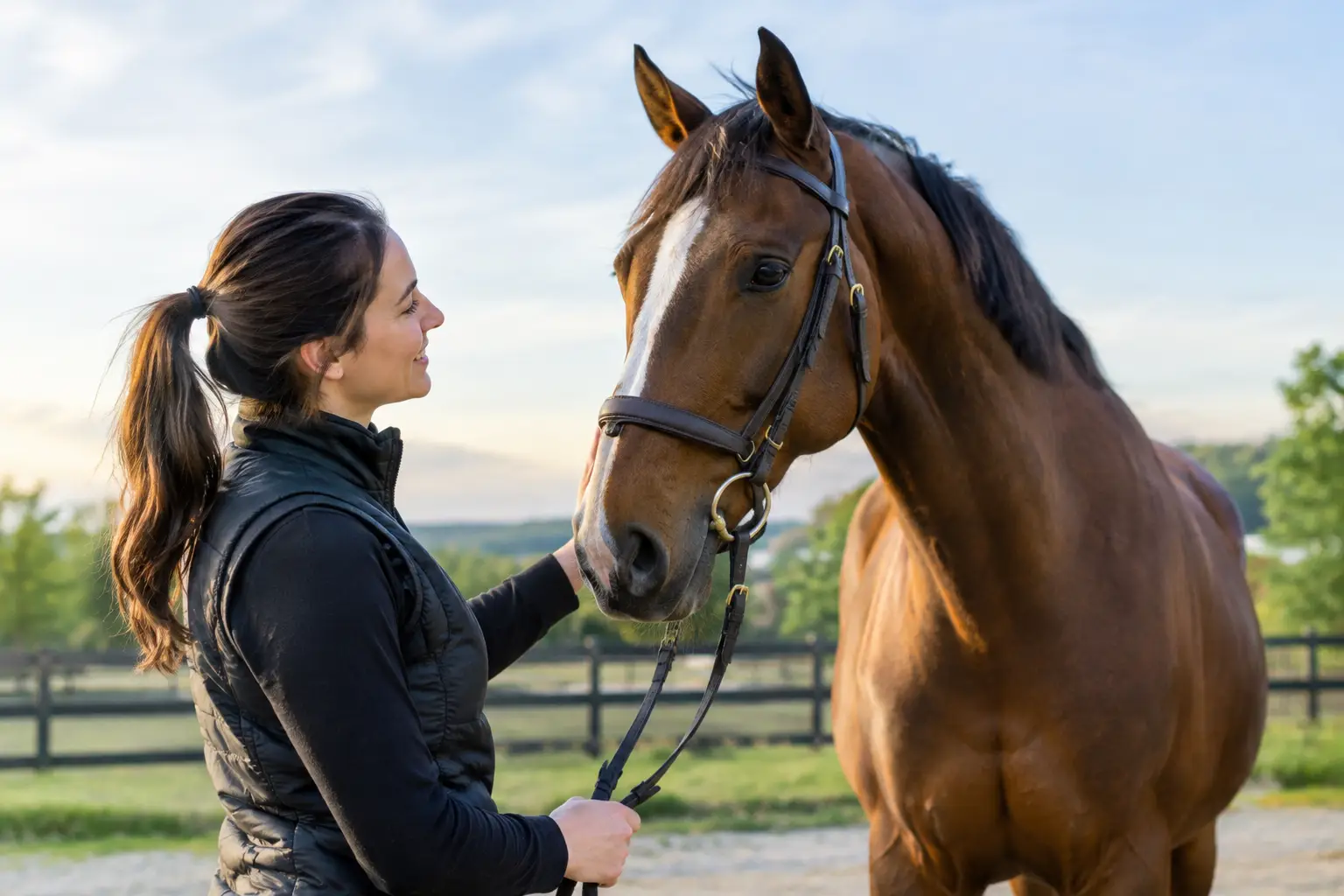
A rider who can confidently steer, post, and jump a small course may still not be ready to own a horse. Horse leasing offers a meaningful middle ground: more consistency and responsibility than weekly lessons, without placing every financial and care decision on one family. For children, teens, and adult riders alike, the right lease can turn riding from an occasional activity into a structured horsemanship experience.
A lease is not simply extra saddle time. It is an agreement built around a particular horse, a rider’s goals, the horse’s needs, and clear expectations from the start. When those pieces align, leasing can be one of the best ways to build confidence, independence, and a realistic understanding of horse ownership.
What horse leasing usually includes
Horse leasing allows a rider to use a horse on specified days each week or month in exchange for an agreed-upon fee. The exact arrangement varies. Some leases provide riding privileges only, while others include participation in lessons, training rides, shows, or certain aspects of routine horse care.
A partial lease is often a good fit for riders who want more regular practice while continuing a lesson program. The rider may have two or three designated riding days per week, with the owner, trainer, or another approved rider using the horse at other times. A full lease generally gives the rider more access and responsibility, though the horse’s health, workload, and training plan should always remain the priority.
For families, the details matter far more than the label. Ask how often the rider may ride, whether lessons are required, who schedules rides, what happens if the horse needs time off, and what expenses are included. A well-written lease agreement protects the horse, the owner, and the leasing rider by making those answers clear.
Why leasing can be a smart next step
The greatest benefit of leasing is consistency. Riding the same horse regularly teaches a rider to notice small changes in rhythm, responsiveness, behavior, and fitness. Instead of spending each lesson getting acquainted with a different mount, the rider learns how preparation, clear aids, and patient practice affect a familiar horse over time.
That consistency can also create more measurable progress. A young rider may work steadily toward stronger steering, balanced transitions, and secure jumping position. An adult amateur may focus on developing feel in the trot, improving accuracy in dressage movements, or gaining confidence outside of a group setting. With thoughtful trainer guidance, the horse and rider can develop as a pair rather than as two strangers meeting once a week.
Leasing also introduces responsibility in an age-appropriate way. Riders learn that horses need care on the days they are not being ridden. They begin to understand grooming routines, tack organization, proper warm-up and cool-down, soundness awareness, and why a horse may need a lighter day after a demanding lesson. These lessons are especially valuable for children whose dream is horse ownership, because they reveal both the joy and the discipline behind that dream.
Leasing is not ownership, and that is the point
Owning a horse can be deeply rewarding, but it is a major long-term commitment. Beyond the purchase price, owners must plan for board, veterinary care, farrier visits, insurance, training, equipment, transportation, and unexpected medical needs. They also remain responsible when life gets busy, school schedules change, or the horse requires months of rest and rehabilitation.
A lease gives riders a closer look at this commitment without assuming every financial risk. It allows a family to discover whether regular riding fits their schedule and whether their child enjoys the daily responsibility as much as the idea of having a horse. It also gives adult riders a chance to return to the sport or pursue new goals without immediately taking on full ownership.
Still, leasing should not be viewed as a shortcut to ownership. Some riders thrive in a long-term lease because it gives them consistency while allowing professional support around the horse’s management. Others may eventually be ready to purchase. Neither choice is more serious or more successful. The right decision depends on the rider’s goals, time, finances, and ability to sustain a commitment over many years.
Choosing the right horse for a lease
The most suitable lease horse is not always the flashiest or most advanced horse in the program. The right match is one that supports the rider’s current skills while helping them stretch safely toward the next goal.
For a newer rider, that may mean a patient, steady horse that understands clear basics and gives the rider time to organize their position. For an intermediate rider, it may be a horse that can help refine leg yields, transitions, jumping courses, or show preparation. Advanced riders may need a lease horse with specific training and athletic ability, but temperament and soundness still come first.
A trainer’s perspective is essential here. Riders often choose based on size, color, or an exciting ride, while an experienced instructor can assess whether the partnership is appropriate on an ordinary day, not just a particularly good one. At Eden Hills Equine, individualized instruction helps ensure that riding opportunities support a rider’s development while respecting each horse’s well-being and training plan.
Questions to answer before signing a lease
A good lease begins with an open conversation. Families should understand the commitment before emotions take over, especially when a child has fallen in love with a particular horse.
Clarify the riding schedule and whether missed days can be made up. Ask what types of riding are permitted, whether the horse may be ridden independently, and if a trainer must be present for jumping, trail riding, or off-property activities. It is also helpful to understand expectations for grooming, tack cleaning, cooling out, and communicating concerns about the horse.
Financial expectations deserve the same clarity. Determine which costs are part of the monthly lease fee and which may be separate, such as lessons, show entries, hauling, clipping, specialized equipment, or veterinary expenses caused by a rider-related incident. Most importantly, ask what happens if the horse becomes lame, needs rest, or is unavailable for a period of time. Horses are living athletes, and a responsible agreement leaves room for their care needs.
Parents should also consider the practical rhythm of the family calendar. A lease works best when the rider has enough time to ride consistently, take lessons, and absorb the educational side of the experience. A packed season of travel, school commitments, and other activities does not make leasing impossible, but it may point toward a smaller commitment or a better time to begin.
Making the most of a leased horse
Regular rides are valuable, but purposeful rides are even better. Set a few clear goals with the instructor, such as improving independent steering, learning to recognize correct canter leads, building a reliable flatwork routine, or preparing for a first schooling show. Goals give the rider a reason to reflect on each ride instead of simply checking off saddle time.
Keep a simple riding journal. Riders can record what they practiced, how the horse felt, what improved, and one question for the next lesson. Over several months, those notes become a record of growth and help riders understand that progress is rarely a straight line.
It also helps to welcome the less glamorous parts of horsemanship. Learning to pick hooves carefully, clean tack properly, notice a rub under a saddle pad, and leave a tidy grooming area all build habits that matter. Riders who treat these details with care usually become more thoughtful partners in the saddle.
A commitment built around care
The best horse lease creates more than extra riding days. It gives riders the chance to form a relationship with a horse while learning the consistency, patience, and responsibility that relationship requires. It should feel exciting, but it should also be structured, supervised, and grounded in the horse’s needs.
For a family considering the next step, start with an honest conversation about goals, schedule, and readiness. A well-matched lease can offer the confidence to grow now, while leaving plenty of room for future decisions to unfold at the right pace.