

Horse Training That Builds Trust and Progress
Horse training built on clear communication, thoughtful routines, and individualized goals helps horses develop confidence, balance, and reliable skills.
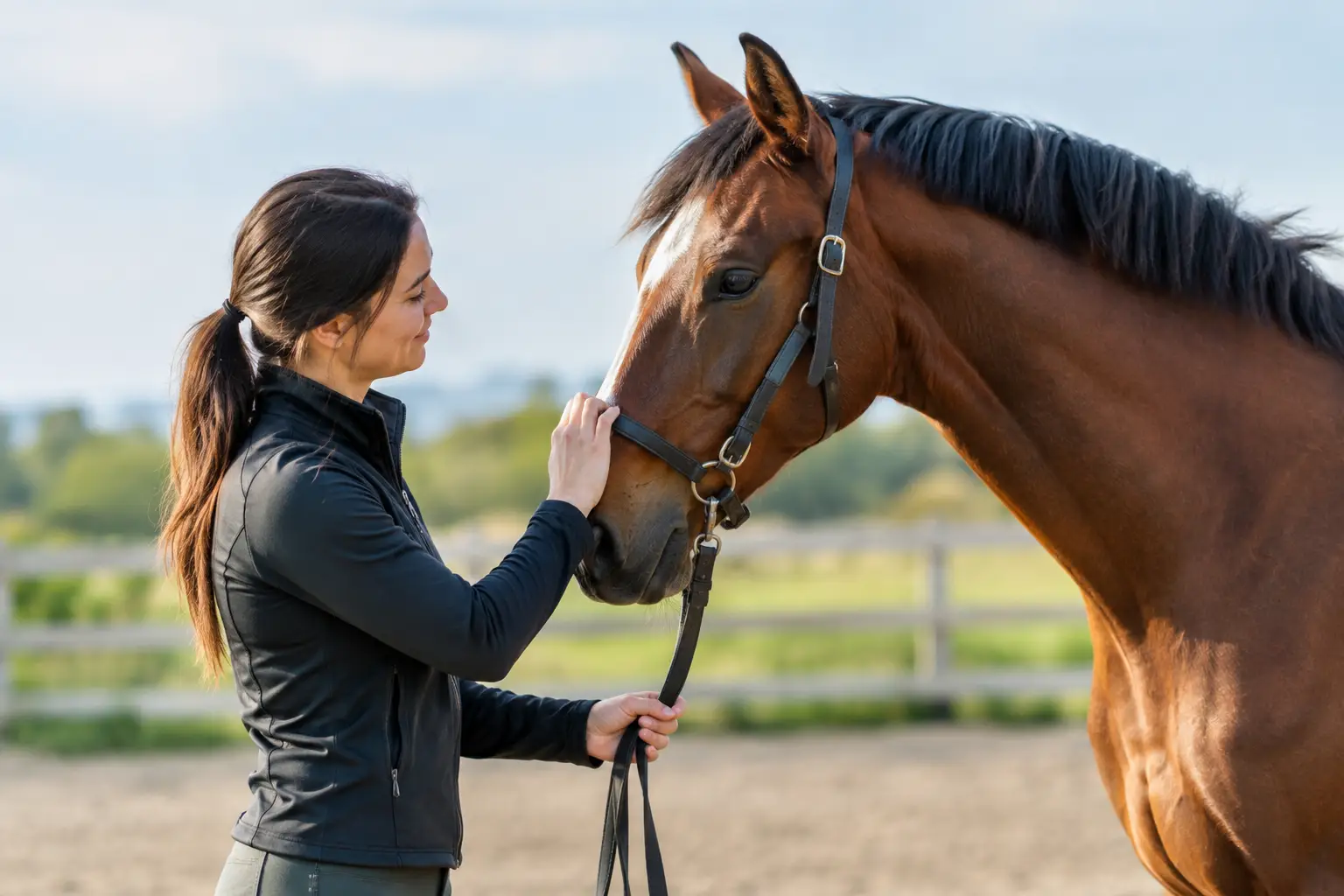
A horse that hesitates at the mounting block, rushes through a transition, or braces against the rein is communicating something. Horse training begins by listening to that communication, then giving the horse clear, fair answers. The goal is not simply a horse that performs on command. It is a horse that understands its job, moves with confidence, and can build a reliable partnership with its rider.
For children taking their first lessons, adult amateurs returning to the saddle, and owners developing a performance horse, thoughtful training creates the foundation for safe, rewarding riding. Progress may show up as a quieter halt, a straighter line, a more relaxed canter, or a rider who can make a decision calmly instead of reacting. Those small changes matter because they create lasting skills.
What Good Horse Training Actually Teaches
Quality training develops the whole horse. That includes physical strength and balance, but also emotional steadiness, confidence, responsiveness, and respect for boundaries. A horse can learn to complete an exercise while still feeling tense or confused. That is why the method behind the result matters.
A thoughtful program starts with the horse in front of the trainer. Age, fitness, past experience, conformation, temperament, turnout, and soundness all influence how quickly a horse can progress. A young horse may need short, positive sessions that establish basic confidence. A seasoned show horse may need conditioning, refinement, and help maintaining a strong work ethic without becoming stale.
The same principle applies to riders. A horse in training is often also teaching someone. When rider instruction and horse development are coordinated, the pair can learn clear expectations together. This is especially valuable for families who want their child to gain real horsemanship, not just time in the saddle.
Start With a Clear Assessment
Before adding new skills, a trainer should understand the horse's current baseline. This is more than asking whether the horse can walk, trot, canter, jump, or perform a particular movement. It means observing how the horse responds to handling, grooming, tacking up, mounting, leg aids, rein contact, transitions, and new environments.
A horse that pins its ears during grooming may be uncomfortable, protective of a sore area, or simply uncertain about boundaries. A horse that falls in through every corner may need improved balance, clearer aids, or a check of physical comfort. Training should never assume that resistance is stubbornness. Behavior is information, and a good plan accounts for it.
An honest assessment also helps set appropriate goals. For one horse, success may be standing quietly for the farrier or accepting a consistent contact. For another, it may be developing a more adjustable stride to a fence or greater collection in dressage work. Goals should be specific enough to guide the work, yet flexible enough to respect the horse's response.
Soundness and care come first
No training plan can compensate for discomfort. Changes in attitude, movement, appetite, or willingness should be addressed promptly. Consistent hoof care, appropriate nutrition, turnout, saddle fit, dental care, and veterinary attention all support a horse's ability to work comfortably.
This is one reason full-care management and training often work well together. When the people overseeing daily care also understand the horse's training goals, subtle changes are more likely to be noticed early. A horse's progress is shaped by what happens between rides as much as by the ride itself.
Consistency Creates Confidence
Horses learn through repetition, timing, and release. The request must be understandable, the correct effort must be recognized quickly, and the lesson must be repeated enough for the horse to retain it. That does not mean drilling the same task until the horse is exhausted. It means returning to essential skills often enough that they become familiar and dependable.
A consistent routine might include groundwork, correct leading manners, standing quietly, basic flatwork, transitions, bending, and exercises suited to the horse's discipline. For a jumping horse, poles and gymnastic exercises can improve rhythm, straightness, and confidence before fences become more demanding. For a dressage-focused horse, carefully ridden transitions, circles, and lateral work can develop balance and responsiveness over time.
Variety has a place, too. A horse who works only in the same arena pattern can become mentally dull or anticipate every question. Hacking when appropriate, hand-walking, pole work, turnout, and changes in routine can help preserve a horse's interest. The right balance depends on the individual horse. Some thrive on structure, while others benefit from more frequent changes of scenery.
Progress Should Be Measured, Not Rushed
It is tempting to judge advancement by height jumped, ribbons earned, or how quickly a young rider moves into a new level. Those milestones can be meaningful, but they are not the only signs of successful training. A horse that becomes more relaxed, supple, attentive, and predictable is making important progress, even if the work looks simple from the rail.
Training records can be useful for identifying patterns. Notes about soundness, behavior, exercises completed, goals for the next ride, and questions that arise help keep the program intentional. They also make trainer-owner communication more productive. Instead of relying on a vague sense that a horse is doing better, the team can discuss what has improved and what needs adjustment.
There are times to press forward and times to pause. If a horse has mastered an exercise with confidence, a new question may be appropriate. If the horse is overwhelmed, fatigued, or inconsistent, returning to an easier step is not failure. It is good judgment. The fastest path forward is rarely the one that asks the horse to skip steps.
The Rider's Role in Horse Training
Even a well-trained horse needs a rider who is learning to be clear, balanced, and consistent. Riders influence pace, direction, balance, and confidence with every aid they give. A rider who grips for security, looks down, or sends mixed signals is not doing anything unusual, especially when learning, but those habits can affect the horse.
Private instruction gives riders the focused attention to understand why an exercise is difficult and how to improve it. Rather than simply being told to use more leg or shorten the reins, the rider can learn what the aid means, when to apply it, and how their position changes the horse's response. That kind of understanding builds confidence without asking the rider to rush.
Parents often appreciate that horsemanship extends beyond riding. Learning to groom thoroughly, lead safely, tack up correctly, recognize basic changes in a horse's condition, and care for equipment develops responsibility. These skills also help young riders become safer, more capable partners for the horses they love.
Choosing the Right Training Program
The right program should offer a clear plan while remaining individualized. Ask how training goals are established, how often the horse will be worked, who will ride or handle the horse, and how progress will be communicated. Owners should also understand what is included in a monthly program, such as schooling rides, conditioning, lessons, grooming support, or show preparation.
Trainer access and communication matter. A strong program makes room for questions and provides honest feedback, including when a goal needs more time. Owners should feel informed about their horse's routine, health, behavior, and development. Riders should feel supported enough to ask for help before a small challenge becomes a frustrating habit.
At Eden Hills Equine, individualized attention is central to the training process because no two horses or riders arrive with the same needs. A carefully managed program can support the green horse learning the basics, the young rider building independence, and the experienced pair refining their work for jumping or dressage.
A Partnership Worth Building
The best horse training is patient, observant, and purposeful. It gives horses enough clarity to feel secure and enough time to develop strength and confidence. It gives riders practical skills, realistic expectations, and a deeper respect for the animal beneath them.
Whether the next goal is a quiet first canter, a confident course, or more polished work in the dressage arena, meaningful progress starts with a program that values the horse's well-being as much as the finished result. That is the kind of foundation a rider can carry forward for years.