

Horse Training Progress After Thirty Days
Horse training progress after thirty days is built through clear goals, consistent handling, sound basics, and a plan that protects each horse's trust
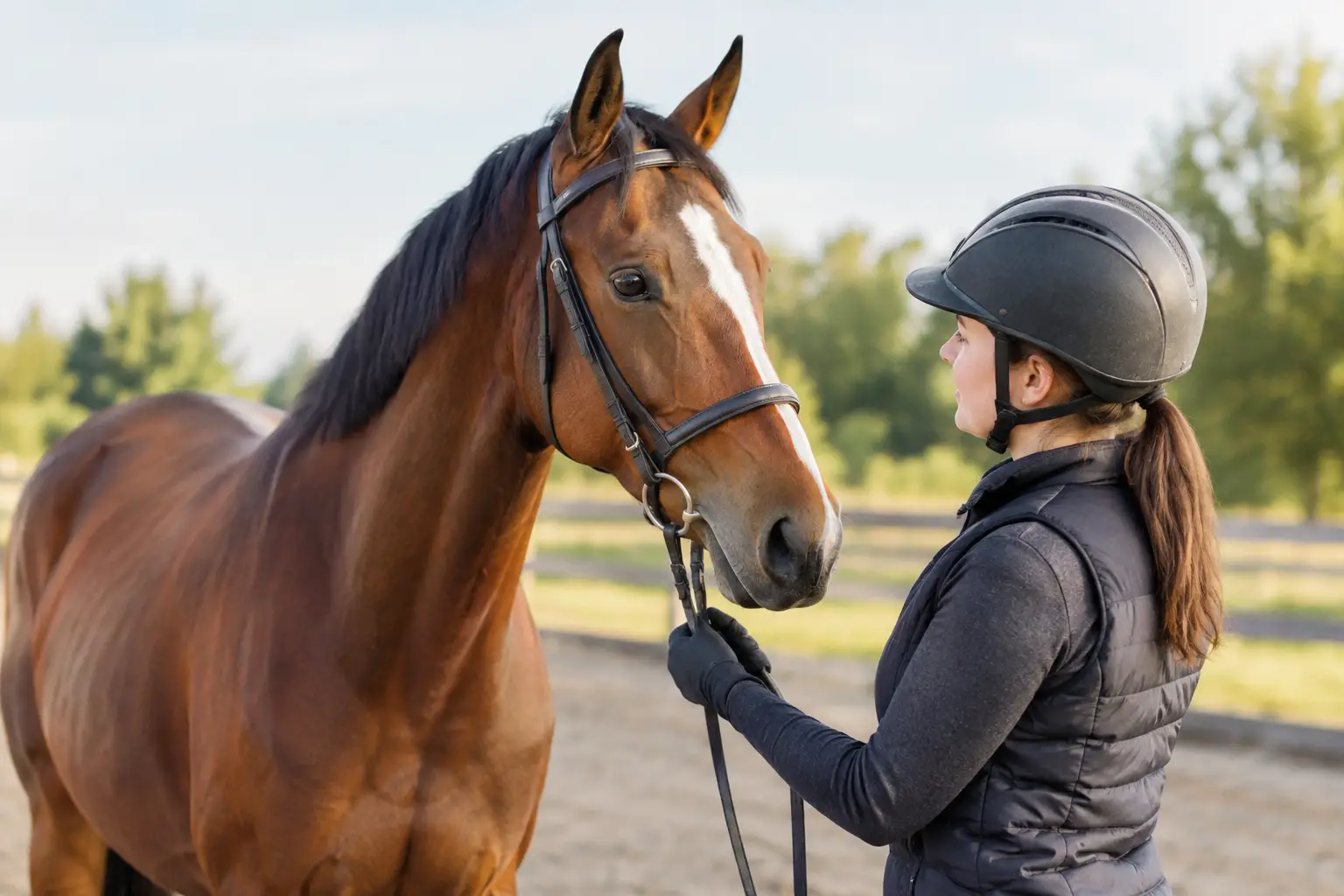
A horse that now stands quietly for mounting, responds softly to a familiar cue, or finishes a ride without tension may have made meaningful horse training progress after thirty days. Those improvements can look modest from the ground, but they are often the building blocks that make safer, more advanced work possible later.
Thirty days is long enough to establish a rhythm, reveal patterns, and see whether a training plan suits the horse in front of you. It is not always long enough to produce a finished lead change, a confirmed show-ready jumper, or a complete solution to a long-standing behavior concern. The most valuable measure is not how quickly a horse moves through an exercise. It is whether the horse is becoming more confident, responsive, comfortable, and consistent.
What Progress Looks Like After Thirty Days of Horse Training
A productive first month usually changes the horse's understanding before it changes the horse's résumé. The horse begins to recognize routines, understand expectations, and respond with less hesitation. That may show up during grooming, leading, tacking, turnout, groundwork, or under saddle.
For a young or inexperienced horse, early progress may be as practical as accepting the saddle calmly, walking forward willingly, yielding to basic leg pressure, or stopping without bracing. For a more experienced horse, it may mean improved straightness, a more reliable rhythm, softer transitions, or a calmer response to situations that previously caused worry.
Progress can also be quieter than a new skill. A horse that needs fewer reminders, recovers from a mistake faster, or stays mentally present through a full session is learning. Those changes matter because relaxed attention is what allows correct physical development and better communication with the rider.
At Eden Hills Equine, individualized programs begin with the horse's current condition, education, temperament, and goals. A sensitive horse may need shorter, highly predictable sessions. A confident horse with a solid foundation may be ready for more variety or carefully increased difficulty. The calendar matters, but the horse's response matters more.
Why Thirty Days Is a Useful Checkpoint
The first month provides enough repetition to evaluate whether the basics are improving. A trainer can see which cues the horse understands, where tension appears, and whether the horse is physically comfortable with the workload. It is also enough time to identify management details that affect training, including turnout, saddle fit, hoof care, feeding, and recovery.
Consistency is the reason this checkpoint is useful. Horses learn from patterns. Clear handling from the ground, regular exercise, appropriate rest, and the same fair expectations help them connect a cue with the desired response. In contrast, changing the rules from one day to the next can make even a willing horse uncertain.
That said, a month is not a deadline. Weather, soreness, maturity, previous training history, and changes in routine all influence the pace. A horse returning from time off may need the entire month to rebuild strength and confidence before more demanding work is appropriate. Slowing down in that situation is good training, not lost time.
The Foundations Should Be More Reliable
By day 30, a well-designed program should make foundational skills more dependable. The horse may lead with better personal space, stand more quietly in the cross-ties, and respond with less pressure to halt, walk, turn, and back. Under saddle, the rider may feel a clearer go-forward response, steadier steering, and transitions that are less abrupt.
Reliability does not mean perfection. Horses, like riders, have days when they are fresh, distracted, or tired. The goal is a recognizable trend: the correct answer becomes easier for the horse to offer and easier for the rider to maintain.
The Horse Should Be More Comfortable in the Work
A training program should develop the body as well as the mind. Early conditioning often improves balance, coordination, and stamina before it produces dramatic changes in collection, jumping scope, or lateral work. A horse may begin carrying a rider with a more even rhythm, negotiating turns without falling in, or recovering more readily after exercise.
Comfort is essential. Resistance that persists or worsens should not be dismissed as stubbornness. Tail swishing, pinning ears during girthing, refusal to move forward, sudden rushing, unevenness, or a major change in attitude can indicate discomfort. Training is most effective when the horse's physical needs are evaluated alongside the training plan.
Confidence Should Be Growing, Not Shrinking
A horse can comply while becoming increasingly worried. That is not the kind of progress a thoughtful program should pursue. A better sign is a horse that approaches work with more curiosity, settles more quickly after an unfamiliar sound or object, and can try again after getting an answer wrong.
This is especially important for young horses and horses with gaps in their education. Introducing a new experience in manageable pieces gives the horse time to process it. A calm first introduction to poles, a tarp, a trailer, or a new arena environment may be more valuable than pushing for a larger accomplishment before the horse is ready.
What a Productive First Month Often Includes
The best monthly plans are structured without becoming rigid. Each session has a purpose, but the intensity can adjust based on the horse's energy, soundness, and mental focus. Groundwork, flatwork, conditioning, and rest all have a place.
For many horses, the first month centers on a few connected priorities:
- Establishing safe, respectful ground manners and daily handling routines
- Building clear responses to basic aids and maintaining a steady rhythm
- Improving balance, flexibility, and fitness at an appropriate rate
- Introducing new tasks gradually while protecting confidence
- Giving the horse enough rest and turnout to absorb the work
The exact mix depends on the horse's job. A horse preparing for dressage work may spend more time on straightness, transitions, suppleness, and connection. A horse beginning a jumping program needs a reliable flatwork foundation before fences become a major focus. A family horse may first need consistency in safe handling, steering, stopping, and calm behavior around different riders.
How Owners Can Evaluate Training Honestly
Owners should look for observable changes rather than relying only on whether the horse appears tired after a session. Good questions include: Is my horse easier to catch, lead, groom, and tack up? Does the horse understand basic cues with less correction? Has the horse become more relaxed in the arena or more physically balanced? Are challenges being addressed with a clear plan?
Training notes are helpful because memory can be misleading. Record the date, the work completed, the horse's attitude, and anything that felt notably better or more difficult. Short videos taken periodically can also reveal changes in rhythm, posture, and confidence that are easy to miss from one ride to the next.
Communication with the trainer should be equally specific. Instead of asking only whether the horse is “doing well,” ask which skills are becoming consistent, what still needs support, and what the next month's priorities will be. Owners deserve a clear understanding of their horse's development, as well as honest guidance when a goal needs more time.
When Progress May Need a Different Approach
Not every horse follows a smooth upward line. If a horse becomes more anxious, resistant, or physically uncomfortable over several sessions, the answer may not be more pressure or longer rides. The training plan may need a closer look.
Sometimes the issue is physical, such as saddle fit, dental discomfort, hoof balance, soreness, or insufficient conditioning. Sometimes it is educational: the horse may not understand the request, or the lesson may have advanced too quickly. Environmental factors can matter as well. A major change in turnout, herd dynamics, feed, weather, or routine can affect behavior.
A professional training program should make room for that information. Adjusting the plan is not a setback when it protects the horse's welfare and preserves the trust needed for long-term progress.
Thirty days can set a meaningful direction, but the strongest results come from patient repetition and thoughtful next steps. When a horse finishes the first month calmer, clearer, and more willing than when it began, there is a sound foundation for the work still ahead.