

Horseback Riding Camps That Build Real Skills
Horseback riding camps can build confidence and real horsemanship. Learn how to choose a safe, structured camp that supports your child's progress safely.
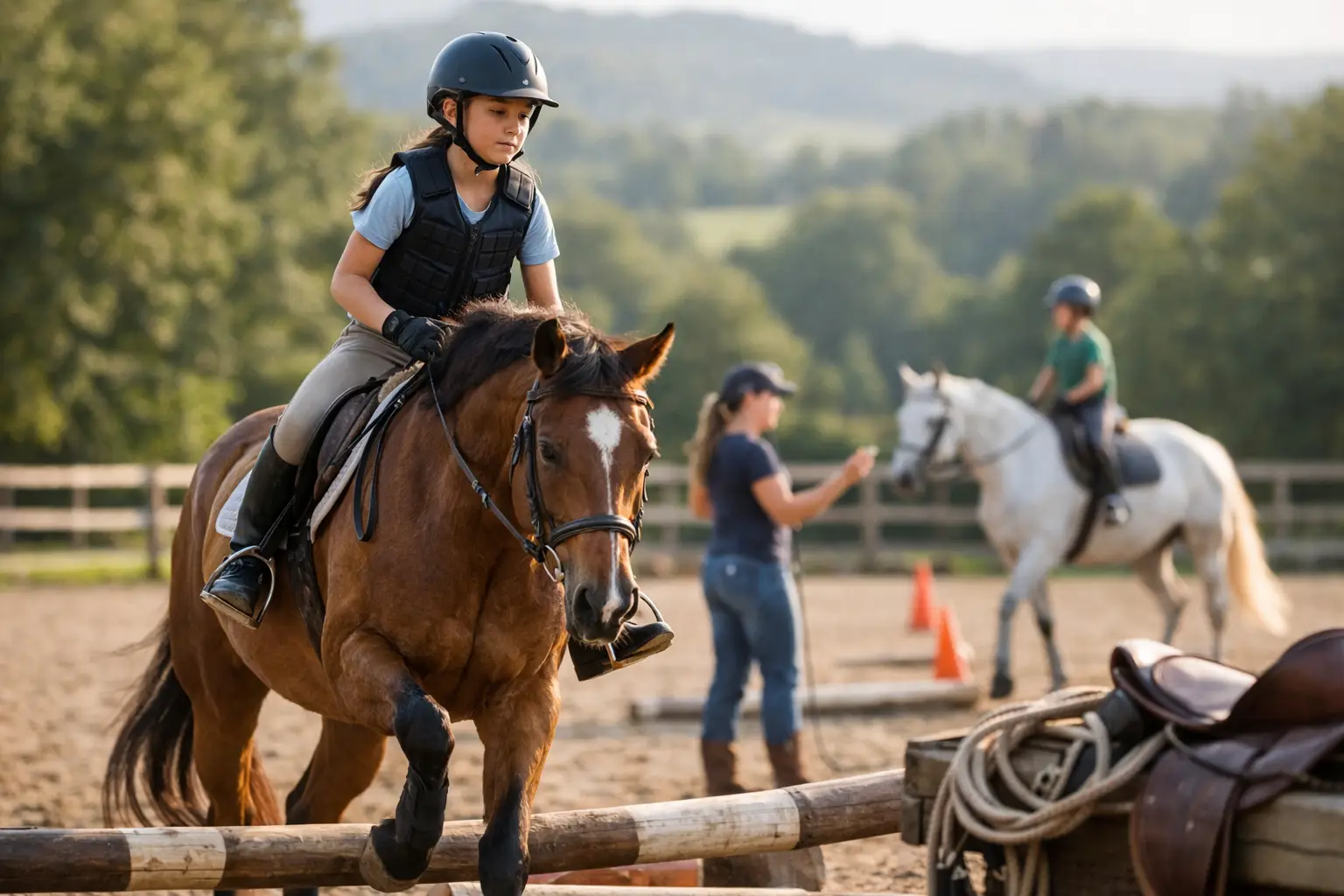
A child who comes home from camp talking only about pony rides may have had fun. A child who can explain why a horse needs quiet hands, how to lead safely, and what it means to care for another living being has gained something that lasts. The best horseback riding camps offer both: memorable time in the saddle and a thoughtful introduction to real horsemanship.
For families, camp can be a wonderful first step into the horse world or a focused way for an established rider to continue learning between lessons. Yet camps vary widely in their structure, instruction, and level of supervision. Choosing well means looking beyond a schedule filled with crafts and rides and asking whether the experience will help your child become a safer, more capable, and more confident horseperson.
What a Quality Horseback Riding Camp Should Teach
Riding is only one part of equestrian education. Horses respond to body language, consistency, balance, and calm decision-making. A meaningful camp introduces children to these ideas in age-appropriate ways, helping them understand that horses are partners rather than carnival attractions.
Daily riding should be paired with hands-on barn learning. Campers may practice catching and leading a horse, grooming thoroughly, picking hooves with proper supervision, tacking up, and cooling a horse down after work. They should learn why each task matters, not simply be rushed through it before the next activity. That connection between care and riding builds respect, responsibility, and better habits from the beginning.
For riders with prior experience, a strong program creates room for measurable development. That might mean improving position at the walk and trot, learning a more effective two-point position, riding a simple pattern, or gaining confidence over carefully selected poles or small jumps. Progress looks different for every rider, so instruction should meet each child where they are rather than expecting an entire group to advance at the same pace.
Confidence Comes From Competence
Confidence is often described as the goal of youth riding programs, but genuine confidence does not come from being told to be brave. It grows when a child understands what to do, practices it with support, and sees improvement over time.
A nervous first-time rider may need extra time learning how to approach a horse calmly, mount with assistance, and steer at a walk. An experienced teen may need constructive feedback that refines their balance and decision-making. Both riders benefit from patient coaching and clear expectations. The goal is not to push children into situations they are not ready for. It is to give them skills that make the next step feel achievable.
Safety Should Shape Every Part of Camp
Horses are generous teachers, but they are large, sensitive animals. A safety-first program is not restrictive or intimidating. It gives children the structure they need to relax, learn, and enjoy their time at the barn.
Look for camps that require properly fitted ASTM/SEI-certified riding helmets and closed-toe boots with a defined heel. Ask how campers are grouped for riding and whether experience levels are considered. A beginner should not be asked to keep pace with a child who has been taking regular lessons for years, and a more experienced rider should still receive instruction that keeps them engaged and correctly challenged.
Supervision matters on the ground as much as it does in the arena. Children need clear rules for walking around horses, passing behind them, opening gates, carrying equipment, and waiting for direction. Instructors and staff should be attentive, organized, and willing to explain the reason behind barn rules. A child who learns to pause, observe, and ask before acting is developing sound judgment that will serve them well around horses for years.
It is also appropriate for parents to ask about emergency procedures, heat plans, hydration breaks, weather policies, and staff qualifications. Texas summer camp days require practical planning. Shade, water, rest periods, and a realistic schedule help children stay focused and help horses remain comfortable as well.
Why Small Groups Make a Meaningful Difference
Group activities can create friendship and excitement, but riding instruction is most effective when each child is truly seen. In a crowded arena, it is easy for a rider to repeat the same mistake without receiving enough individual feedback. Small groups and attentive instructors make it easier to notice a slipping rein, an uneven stirrup, a child who is becoming overwhelmed, or a rider ready for a new challenge.
This is especially valuable for beginning riders. Early habits become foundations, whether they are helpful or difficult to correct later. A child who learns to look ahead, keep their heels under them, and use quiet, thoughtful aids is being prepared for a more successful riding future.
At Eden Hills Equine, the value of individualized development guides instruction year-round, and that same mindset is especially important in a camp setting. Campers should never feel like they are simply moving through a line. They deserve coaching that recognizes their effort, celebrates progress, and protects the well-being of both horse and rider.
Choosing the Right Camp for Your Child
Before registering, consider what your child hopes to gain. A child who loves animals but has never ridden may thrive in a beginner-friendly horsemanship camp with plenty of ground education. A rider already enrolled in lessons may benefit more from a program that includes additional saddle time, skill-focused exercises, and opportunities to deepen their understanding of horse care.
Age is part of the equation, but maturity matters too. Some younger children are ready to listen carefully, follow directions, and participate in barn chores. Others may enjoy a shorter introduction before committing to a full week. Be honest about your child’s comfort level and attention span. A positive early experience is more valuable than trying to rush into an advanced program.
When comparing horseback riding camps, parents should ask a few practical questions: How much actual riding time is included? Are horses assigned based on rider ability and temperament? Who teaches the riding sessions? What does a typical day look like when temperatures or weather change? The answers reveal whether a camp is designed around thoughtful instruction or simply around keeping a large group busy.
It also helps to ask how the program handles a child who is fearful or struggling. Horses can bring out big emotions, particularly when a rider is new. A quality instructor does not shame a child for being nervous, nor do they ignore the concern. They break the task into manageable steps, offer calm support, and determine whether the child needs a different approach that day.
Helping Your Camper Arrive Ready to Learn
A little preparation can make the first morning much easier. Comfortable riding pants or leggings without slippery fabric, a well-fitting helmet, boots with a heel, sunscreen, and a refillable water bottle are practical essentials. Long hair should be secured, and loose jewelry should stay home.
More importantly, set realistic expectations before camp begins. Let your child know that horses have personalities, lessons may feel challenging at times, and barn work is part of the experience. They may not ride the same horse every day, and they may need to wait patiently while an instructor helps another camper. These are not disappointments. They are part of learning to be a respectful member of a barn community.
Parents can reinforce the value of camp by asking specific questions after each day. Instead of asking only, “Did you have fun?” try asking what their horse ate, what they practiced in the arena, or what safety rule they learned. Those conversations show children that their new knowledge matters.
Camp Is a Beginning, Not a Finish Line
A week at camp can spark a lasting passion, but it rarely turns a beginner into an independent rider. Horses require ongoing practice, thoughtful instruction, and repetition. Families considering regular lessons after camp should look for a program that continues the same emphasis on safety, horsemanship, and individualized progress.
The right camp leaves a child proud of what they learned while also curious about what comes next. Whether that next step is a first private lesson, a return to camp next summer, or simply a deeper appreciation for horses, the experience has value when it teaches children to approach both animals and challenges with patience, responsibility, and care.