

How Full Training Packages Work for Horses
Learn how full training packages work for horses and riders, from assessment and weekly sessions to progress tracking, care, communication, and next steps.
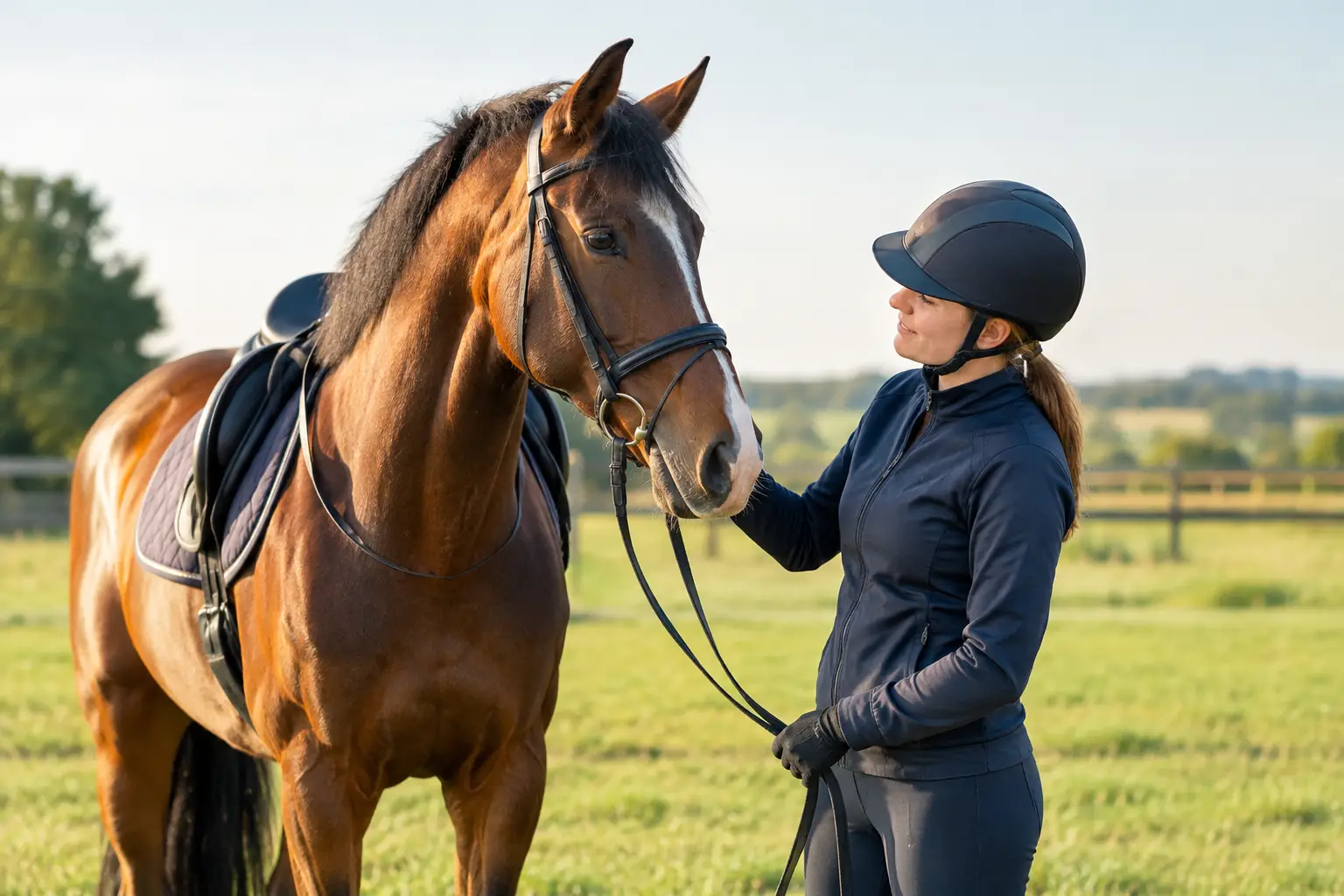
A rider may feel ready to move beyond occasional lessons, while a horse may need more consistent schooling than an owner’s schedule allows. That is where understanding how full training packages work becomes useful. A well-designed monthly program brings structure to the horse’s education, the rider’s development, and the communication between trainer and owner.
For families and owners, a full training package is not simply a set number of rides. It is an ongoing plan shaped around the individual horse, the rider’s goals, current ability, soundness, temperament, and schedule. The result should be purposeful progress without rushing the process that keeps horses and riders confident.
What a full training package typically includes
A full training package generally combines professional training rides with instruction or guided rides for the owner or rider. The exact schedule varies, but the goal is consistency. Horses learn through repetition, clear expectations, and appropriate rest. Riders improve most reliably when their instruction connects directly to what their horse is practicing between lessons.
A package may include multiple training sessions each week, private riding lessons, regular conditioning work, and an agreed-upon plan for skills such as flatwork, jumping, dressage fundamentals, trail confidence, or show preparation. It may also include handling practice, grooming standards, ground manners, tack evaluation, and discussions about the horse’s care.
The difference between a package and a one-time training ride is continuity. Instead of addressing a single issue in isolation, the trainer can see patterns over time. Perhaps a horse becomes tense after a few days off, loses balance in one direction, or needs a quieter approach to new jumping exercises. Those details help shape better decisions week after week.
The process begins with an honest assessment
Before setting a schedule, a trainer needs a clear picture of the horse and rider. This usually begins with a conversation about goals. A parent may want a child to build safe, independent riding habits. An adult amateur may be preparing to return to the saddle with confidence. An owner may need help developing a young horse or maintaining a seasoned partner’s fitness and responsiveness.
The trainer will also observe the horse’s movement, training level, behavior on the ground, and response under saddle. If the rider is participating, their position, balance, aids, and comfort level matter as well. This is not a pass-or-fail evaluation. It is the starting point for a realistic program.
Good training plans account for what is happening outside the arena, too. A horse with a changing turnout routine, a recent veterinary concern, poorly fitting tack, or limited conditioning may need a different approach than a horse in regular work. Progress is rarely linear, and a thoughtful program leaves room to adjust.
Setting goals that can be measured
Goals work best when they are specific enough to guide the work. For a newer rider, that might mean catching and grooming safely, steering independently at the walk and trot, or riding a consistent course of small fences. For an experienced pair, it may mean improving transitions, developing a more effective half-halt, strengthening straightness, or preparing for a particular competition level.
The timeline depends on the horse and rider. Building foundational skills takes patience, especially when safety and confidence are priorities. A package should create steady momentum, not pressure to reach a milestone before the pair is ready.
What happens during training sessions
Professional training rides are tailored to the horse’s needs on that day. One session may focus on rhythm and relaxation on the flat. Another may include pole work to improve balance, gymnastics to develop jumping form, or a quiet hack to support mental freshness. Groundwork may be used when a horse needs better respect, focus, or confidence before the next step under saddle.
Training is also physical. Horses need suitable conditioning for the work being requested, along with rest days and variety. Asking for collection, larger jumping efforts, or lengthy schooling sessions before the horse has the strength to perform comfortably can create frustration rather than improvement.
A careful trainer watches for changes in attitude and movement. A horse that suddenly resists work may be communicating discomfort, confusion, fatigue, or a need for a different training approach. Professional training should never be about forcing a horse through a problem. It is about identifying the cause and creating a constructive path forward.
Why rider lessons remain essential
A horse can make meaningful progress with a trainer, but the rider must understand how to continue that work. Otherwise, a horse may feel different during a professional ride and then receive unclear or inconsistent instructions when the owner rides.
Private lessons are especially valuable within a full program because the trainer can connect the lesson to the horse’s current training. The rider learns what the horse has been practicing, how to reinforce it, and which habits could unintentionally make the work harder. Focused instruction also gives the rider room to ask questions and develop at an appropriate pace.
For young riders, this connection builds more than riding skill. They learn responsibility around grooming, tacking up, barn safety, horse behavior, and thoughtful care. These lessons create capable horse people, not just riders who can complete an exercise in the arena.
Communication is part of how full training packages work
The best packages include regular communication, not guesswork. Owners should understand the broad goals of the program, what is improving, and where the horse or rider needs support. Updates do not need to be lengthy after every ride, but clear check-ins help everyone stay aligned.
Useful conversations may cover changes in the horse’s behavior, upcoming lessons, equipment needs, conditioning adjustments, or goals for the next month. If a horse needs veterinary, farrier, dental, or bodywork support, the trainer can often share observations that help the owner make informed care decisions. The trainer does not replace these professionals, but consistent training provides valuable insight into how the horse is moving and feeling.
At Eden Hills Equine, individualized attention is central to this process. A smaller, intentional program allows horse-and-rider pairs to be known well enough that their training can respond to real needs rather than follow a generic formula.
Choosing the right schedule
More training is not automatically better. A young horse, a horse returning from time off, and a fit, experienced competition horse may all need different schedules. The same is true for riders. A child balancing school and other activities may thrive with a manageable weekly routine, while a dedicated adult rider may benefit from more frequent lessons and supervised practice.
When considering a package, ask how often the horse will be worked, who will ride, how rest days are planned, and how the rider’s lessons fit into the schedule. It is also reasonable to ask what happens if weather, health, travel, or an unexpected issue interrupts the plan. A professional program should have standards while remaining practical about the realities of horse ownership.
When a full package may be the right fit
A full training package can be a strong option when an owner wants consistent development but cannot ride often enough to provide it alone. It can also help riders who are ready for greater accountability, horses that need focused skill-building, and families who want a clear path from early lessons to more independent horsemanship.
It may not be necessary for every horse or rider forever. Some pairs need an intensive period to establish a foundation, prepare for a goal, or work through a challenge. Others benefit from an ongoing program that supports regular improvement. The right choice depends on the horse’s needs, the owner’s involvement, and the kind of partnership they hope to build.
A training package should leave both horse and rider feeling more capable, understood, and prepared for the next ride. When the plan is personal, consistent, and grounded in good horsemanship, progress becomes something a family can see and enjoy over time.