

How to Choose Horse Boarding With Confidence
Learn how to choose horse boarding with standards that protect your horse's health, safety, routine, and training goals while giving you peace of mind.
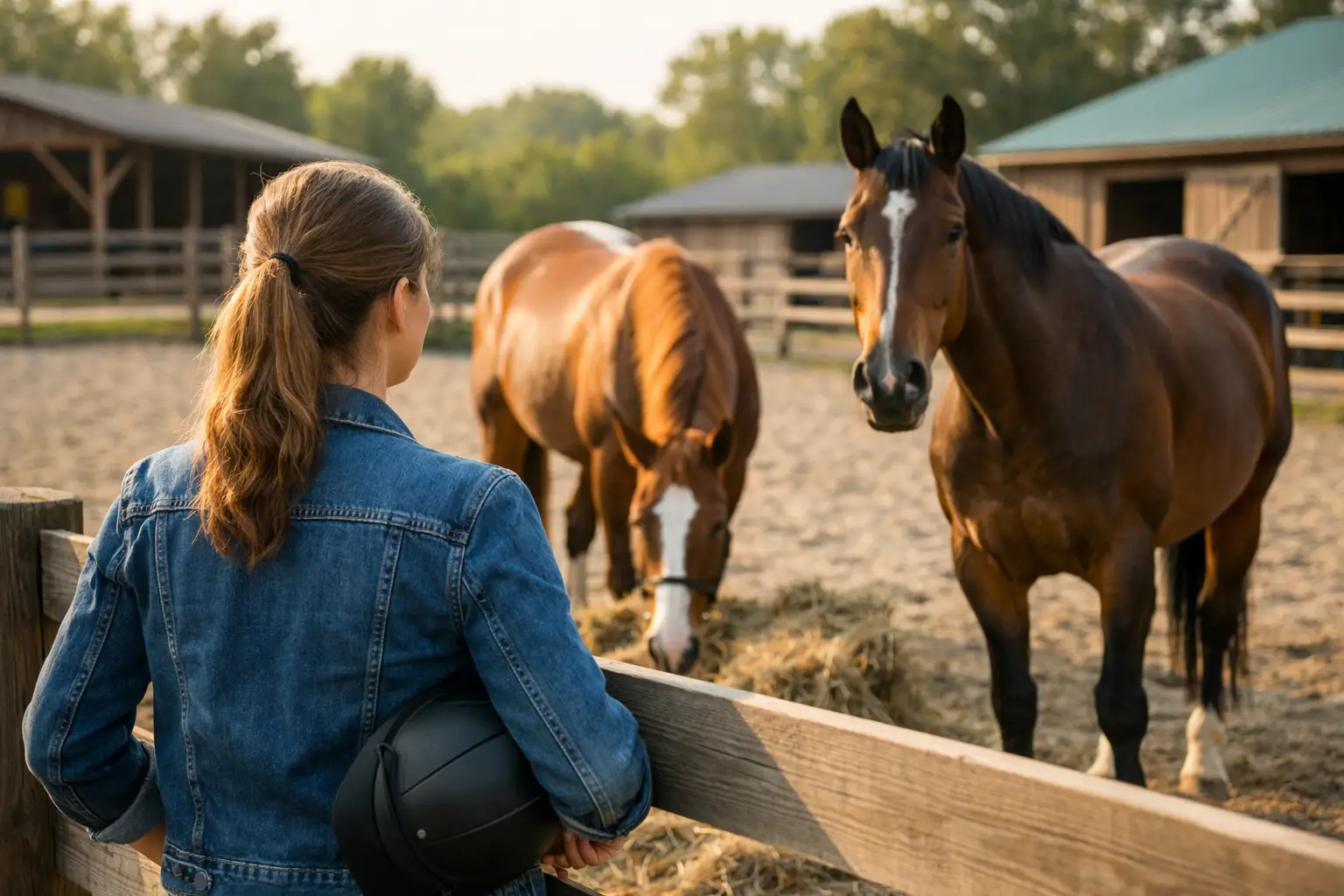
A boarding decision affects far more than where your horse sleeps. It shapes their daily routine, physical condition, training consistency, and your ability to enjoy the partnership you have built. Knowing how to choose horse boarding means looking beyond a tidy aisle or a convenient location and asking whether the program can provide dependable, knowledgeable care for your individual horse.
For families, the right boarding environment also supports a young rider's growth. For adult amateurs and experienced owners, it should make horse ownership more manageable without leaving you uncertain about what happens between visits. The best fit is rarely about one feature alone. It is about whether the care, facility, communication, and riding culture work together.
How to Choose Horse Boarding: Start With Your Horse
Before touring a facility, define what your horse needs to stay healthy and comfortable. An easy keeper with no medical concerns may thrive in a different setup than a performance horse, a senior, a horse recovering from an injury, or one that becomes stressed by frequent changes in turnout companions.
Consider your horse's feeding requirements, turnout preferences, shoeing schedule, medications, blanket needs, and sensitivity to heat, insects, dust, or stall confinement. In the Texas climate, shade, fresh water, fly management, ventilation, and thoughtful turnout planning are not small details. They directly affect comfort and health.
Then consider your own goals. If you are focused on jumping or dressage, safe and well-maintained riding areas matter. If your child is learning to ride, trainer supervision, a structured program, and a barn culture that values horsemanship may matter just as much as the arena itself. A facility can be beautifully maintained yet still be the wrong match if its daily program does not support your horse and rider goals.
Look Closely at Daily Care Standards
“Full care” can mean different things from one program to another. Ask for a clear explanation of what is included rather than assuming every full-care package covers the same services. You should understand the feeding schedule, forage provided, stall cleaning frequency, turnout routine, and how staff monitor horses for changes in appetite, behavior, or soundness.
Quality care is consistent. Horses do best when meals, turnout, and handling follow a reliable routine, with reasonable adjustments made for weather, training, and individual needs. Ask who provides daily care, who is present when the primary manager is away, and how the team communicates concerns to owners. A horse does not need a dramatic emergency for a good care team to pay attention. Small changes, such as a missed meal, a rub from tack, or a horse standing quietly apart from the herd, can deserve timely notice.
It is also reasonable to ask about hay quality and availability, grain storage, water checks, and manure management. You are not being difficult by asking specific questions. You are learning whether the standards you value are part of the barn's normal routine.
Turnout Should Be Safe, Not Just Available
Turnout supports movement, digestion, mental well-being, and soundness, but the best arrangement depends on the horse. During a tour, look at fencing, footing, gates, shelter, water sources, and the condition of the horses already turned out. Ask how groups are selected and what happens if a horse is not a good social match.
Some horses are happiest in a compatible group, while others need an individual or carefully managed arrangement. There is no single turnout model that works for every horse. What matters is that the facility evaluates behavior, prioritizes safety, and has a practical plan for changes.
Tour With a Safety-First Eye
A clean property is reassuring, but safety requires more than neatness. Walk slowly and observe the details: secure fencing, clear aisles, organized tack areas, well-lit pathways, properly stored equipment, and secure gates. Notice whether horses appear relaxed, appropriately conditioned, and comfortably managed.
Ask about emergency procedures. A professional boarding program should be able to explain how it handles colic, lameness, loose horses, severe weather, and veterinary emergencies. Find out whether your veterinarian is welcome, whether the facility has preferred providers, and how authorization works if you cannot be reached immediately.
Four questions are especially useful during a tour:
- Who checks horses each day, and how often?
- What is the process when a horse is injured or appears ill?
- How are owners contacted in an emergency or after a non-urgent concern?
- What safety expectations apply to riders, guests, and children?
Pay attention to how clearly these questions are answered. Direct, calm answers often reflect established systems. Vague responses can signal that important decisions are handled inconsistently.
Evaluate the Riding and Training Environment
If you plan to ride regularly, boarding and training should complement each other. Ask when arenas are available, how riding spaces are maintained, whether lesson schedules affect access, and what rules keep shared areas safe. A well-designed program should make it possible for riders at different levels to work productively without creating unnecessary congestion or risk.
For developing riders, access to professional instruction can be a major advantage. Private instruction offers focused feedback and helps a trainer see patterns in both horse and rider before they become frustrating habits. For owners who want training support, ask how goals are set, how progress is communicated, and whether the horse's workload is adjusted when needed.
A training program should not be treated as a replacement for attentive boarding care, and boarding should not be an afterthought in a training program. The strongest environments connect the two. The people feeding, handling, schooling, and observing your horse should have a shared understanding of their routine and needs.
Ask About Communication and Barn Culture
Your horse may receive excellent physical care and still be in a setting that does not feel right for you. Communication is part of the service. Ask how owners receive updates, whether concerns are discussed promptly, and who your primary point of contact will be.
For parents, consider whether the facility teaches responsibility alongside riding. Children benefit from learning how to groom thoughtfully, tack up correctly, respect barn rules, and care for shared spaces. A warm barn atmosphere does not mean casual standards. In fact, clear expectations often create the safest and most welcoming environment for families.
Observe interactions during your visit. Are staff members patient with questions? Are riders respectful around horses? Does the program feel organized without being impersonal? A boutique setting can be particularly valuable when you want your horse known as an individual rather than simply assigned to a stall or turnout field.
Read the Agreement Before You Commit
A boarding agreement should clearly outline monthly fees, included services, payment timing, notice requirements, liability language, veterinary authorization, and charges for extras such as blanketing, medication administration, holding for service providers, or special feeding. Clarity protects both the owner and the facility.
Do not choose solely by the monthly rate. Lower rates can be appealing, but compare what is actually included and how reliably those services are delivered. Premium care may cost more because it involves individualized feeding, better oversight, quality maintenance, professional staffing, and access to specialized amenities. The right value is the arrangement that meets your horse's needs without surprises.
If possible, visit at a time when normal barn activity is happening. You will learn more from seeing feeding preparation, turnout changes, lessons, and daily interactions than from viewing an empty property. Trust your observations, ask the questions that matter to you, and give yourself permission to keep looking if something feels unclear.
The right boarding home should let you leave the property knowing your horse is cared for with consistency, skill, and genuine attention - so your time together can be spent building confidence and enjoying the ride.