

How to Prepare for Lessons and Ride With Purpose
Learn how to prepare for lessons with practical routines for riders and families, from safe attire and arrival times to focus, horse care, and growth.
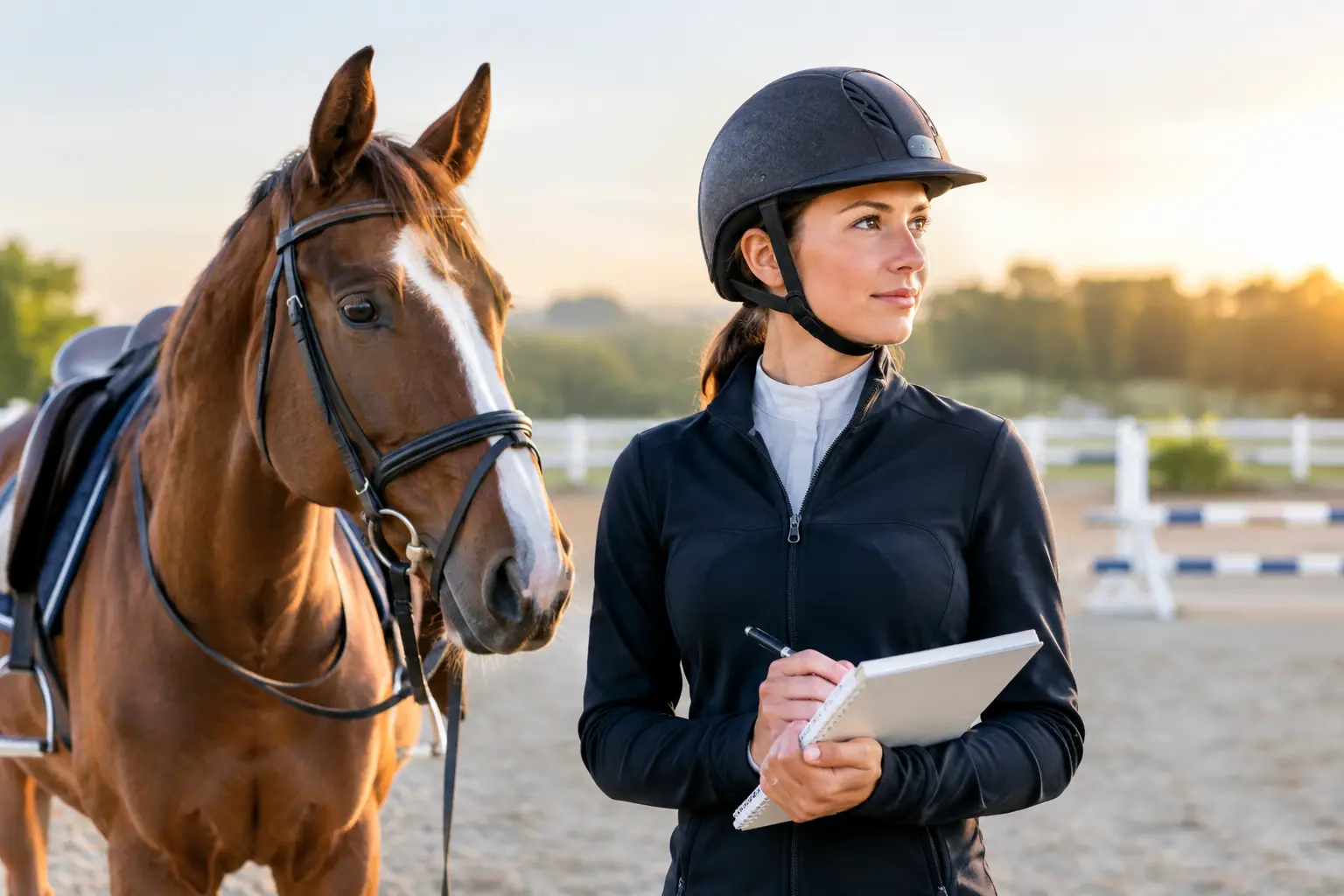
A rushed arrival can change the tone of an entire ride. When a rider walks into the barn looking for a missing glove, adjusting an unfastened boot, or trying to remember the lesson time, valuable attention shifts away from the horse and the instruction ahead. Knowing how to prepare for lessons creates a calmer, safer start and gives riders more room to learn.
Preparation is not about making riding feel overly formal. It is about building the habits that support confidence, respect for the horse, and steady progress. For young riders especially, the routine before and after the ride is part of their horsemanship education.
How to Prepare for Lessons Before You Arrive
The best lesson preparation begins at home. Check the lesson time the day before, review the weather, and set out riding clothes in one place. Texas weather can change quickly, and riders may need a light layer for a cool morning, a breathable shirt for warm afternoons, or a rain jacket for an unsettled day. Clothing should allow easy movement without loose pieces that could catch on tack or fencing.
A properly fitted ASTM/SEI-certified riding helmet is essential. Riders should also wear long pants and heeled riding boots with a defined heel and a smooth sole. Fashion boots, sandals, sneakers, and open-toed shoes do not provide the foot security needed around horses or in the stirrup.
For families, a simple packing routine prevents last-minute stress. Keep a small lesson bag ready with a helmet, boots, gloves if used, a hair tie, water bottle, and sunscreen. Riders who wear glasses may be more comfortable with a secure strap. If the day is especially warm, bringing water and arriving well hydrated can make a meaningful difference in comfort and concentration.
Meals matter, too. A rider does not need a large meal immediately before mounting, but arriving hungry can make it harder to focus. A light snack with protein and carbohydrates an hour or two before the lesson is often a practical choice. It is equally helpful to avoid rushing straight from a demanding activity into the saddle whenever possible. Give children a few quiet minutes to reset before they enter the barn.
Arrive Early Enough to Be Present
Arriving early is not simply about being on time. It gives the rider an opportunity to settle in, listen, and begin the lesson with a clear mind. The appropriate arrival time depends on the program and whether the rider will groom and tack up independently, but families should follow their instructor's guidance and allow extra time for parking, bathroom breaks, and getting ready.
At a boutique program, that time can be especially valuable. Riders may have the chance to greet their horse, check in with the instructor, or review the plan for the day. A rider who arrives calmly is better prepared to notice whether their horse seems relaxed, alert, or in need of a little extra patience.
Parents can support this process by allowing the rider to take ownership of age-appropriate tasks. Younger children may carry their helmet, hang up their belongings, and learn where to stand safely. More experienced riders can be responsible for organizing tack, grooming thoroughly, and checking that equipment is ready before mounting. The goal is not speed. It is thoughtful, safe independence.
Dress for Safety, Not Just Comfort
Riding attire has a practical purpose. A helmet protects the head, boots help prevent the foot from slipping through the stirrup, and fitted clothing allows an instructor to see the rider's position. Riders should tie back long hair and remove dangling jewelry that could become caught during grooming or riding.
It is also wise to check equipment regularly. Helmets should be replaced after a significant impact, even if no damage is visible. Boots should have a secure sole and heel, and breeches or riding pants should be comfortable enough to allow the rider to sit, post, and move freely.
Gloves are optional for many lessons, but they can be useful in warm weather, during longer rides, or for riders who are developing steadier rein contact. The right choice depends on the rider, the weather, and the type of work planned that day.
Prepare the Mind as Well as the Gear
A lesson is more productive when riders arrive with one simple intention. That intention might be to keep their eyes up, maintain an even rhythm, improve a transition, or practice a more consistent release over fences. It does not need to be complicated.
For beginners, the intention may be as basic as breathing slowly and sitting tall. For an experienced rider, it may involve refining dressage accuracy, riding a better line to a jump, or becoming more aware of the horse's balance. A focused goal gives the rider something constructive to return to when a skill feels challenging.
Parents can help younger riders avoid pressure by asking open questions before the lesson. Instead of asking, “Are you going to jump today?” try, “What would you like to practice?” This keeps the attention on learning rather than performance. Progress in riding is rarely a straight line, and each lesson may reveal a different piece of the puzzle.
Riders should also arrive ready to listen. The instructor's directions are designed for the rider and horse in front of them on that day. What worked last week may need adjustment today because the horse's energy, the rider's balance, or the exercise itself has changed.
Make Grooming and Tacking Part of the Education
When riders are invited to participate in grooming and tacking, they are learning much more than a pre-ride routine. Grooming teaches observation. A rider learns to notice dirt, rub marks, sensitivity, heat, swelling, loose shoes, or a change in a horse's usual behavior. Any concern should be brought to the instructor's attention rather than handled independently.
Tacking up teaches care and accountability. Riders should learn to place the saddle correctly, use a clean pad, check that the girth is secure, and make sure the bridle is fitted properly. New riders need guidance for every step, while more experienced riders benefit from developing a consistent safety check before mounting.
A useful pre-ride check includes these four essentials:
- The horse is groomed and appears comfortable.
- The saddle and pad are placed correctly and the girth is checked.
- The bridle is adjusted properly, with reins and stirrups organized.
- The rider's helmet, boots, and clothing are secure before mounting.
The details matter because horses rely on people to be attentive. Good horsemanship means recognizing that the horse's comfort is never separate from the rider's progress.
Ask Questions at the Right Time
Questions are welcome in a quality lesson program, and asking them is a sign of engagement. Riders should feel comfortable asking for clarification when they do not understand an exercise, a correction, or a piece of equipment. The best time is usually when the instructor has paused to explain, rather than while the rider is actively navigating an exercise.
Parents of younger riders may also have questions about goals, scheduling, attire, or how to support practice between lessons. It is often helpful to save longer conversations for before or after the lesson so the rider can receive the focused attention they need during instruction.
If a rider is nervous, sore, recovering from an injury, or worried about a particular skill, share that information before the lesson begins. An instructor can only tailor the experience effectively when they understand what the rider is feeling. Confidence grows most reliably when riders are challenged at the right pace.
After the Ride, Finish With Care
Lesson preparation also includes what happens after dismounting. Riders should cool down as directed, untack carefully, return equipment to its proper place, and help leave the grooming area organized. Taking a moment to thank the horse, whether through a quiet pat or a thoughtful hand walk, reinforces the partnership at the center of riding.
Before leaving, riders can reflect on one thing that improved and one thing to practice next time. A child might say, “I kept my heels down in trot,” while an adult rider may note that their transitions became more balanced when they looked ahead. These small observations turn a single lesson into a continuing plan.
The strongest riders are not the ones who arrive already perfect. They are the ones who show up prepared to care for the horse, absorb instruction, and try again with patience. That is where capable riding and genuine horsemanship begin.