

How to Prepare for Riding Lessons
Learn how to prepare for riding lessons with the right clothing, mindset, timing, and barn etiquette so every ride starts safely and well.
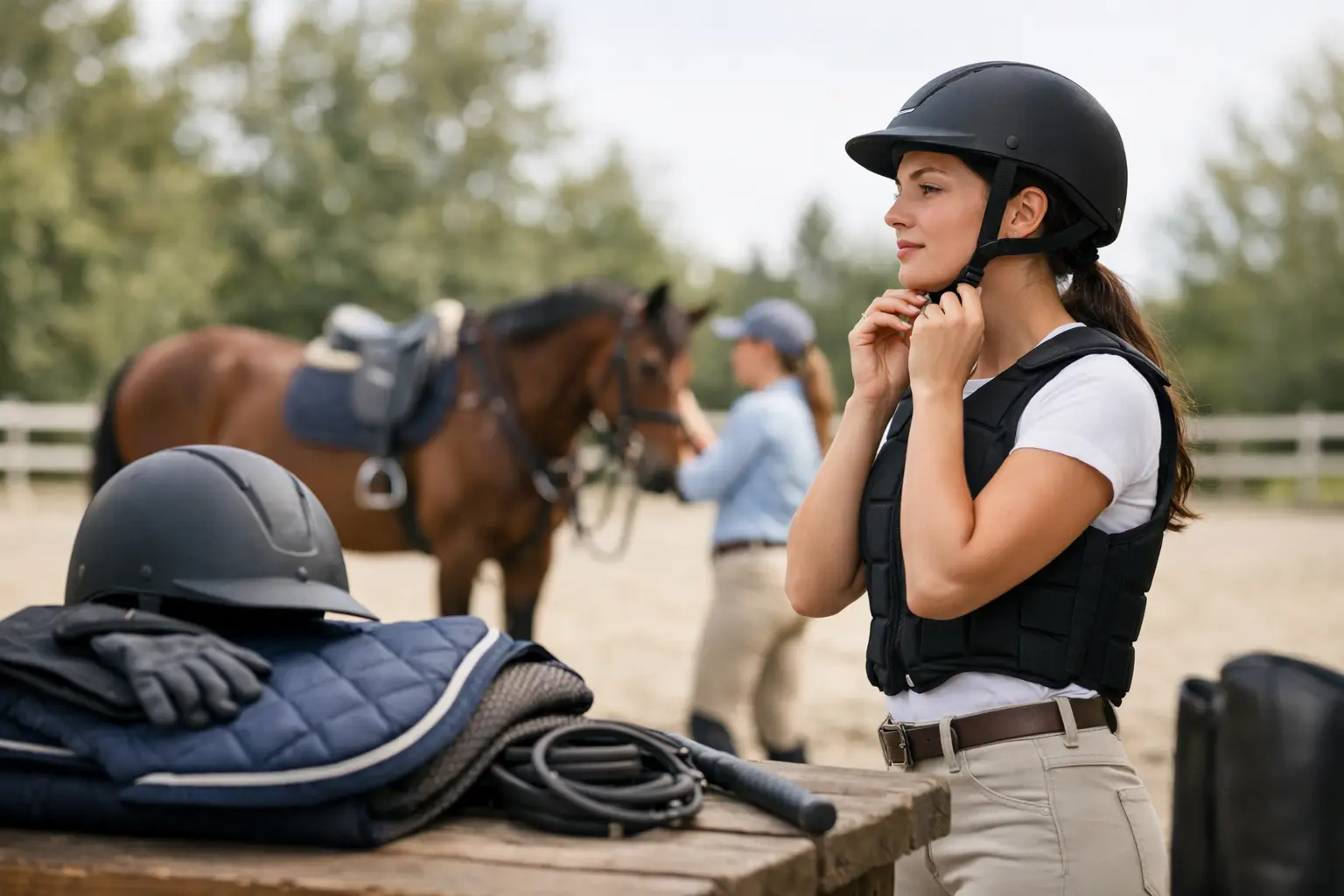
The first few minutes before you get on a horse matter more than most new riders expect. If you arrive rushed, underdressed, or unsure of what to do, it can affect your confidence before the lesson even begins. Knowing how to prepare for riding lessons helps you feel calmer, stay safer, and get more out of every ride.
At a quality lesson program, preparation is part of the learning process. Riding is not just about sitting in the saddle and steering. It involves awareness, consistency, and respect for the horse, the instructor, and the environment around you. For children, that often means building habits early. For teens and adults, it usually means understanding that progress comes from small, steady improvements rather than one perfect ride.
How to prepare for riding lessons before you arrive
The easiest way to improve your lesson experience is to start before you leave home. Clothing is the first place to get right. Riders should wear long pants that allow movement without bunching or rubbing. Leggings or fitted riding pants usually work well, while shorts are not appropriate for the saddle. On your feet, choose boots with a closed toe and a small heel. That heel is not about style - it helps keep the foot from sliding too far through the stirrup.
A properly fitted helmet is also essential. If your program provides helmets, ask in advance what is available and whether you should bring your own. Hair should be secured neatly, and jewelry should be minimal. Loose items can become distracting or unsafe once you are mounted.
It also helps to think about the weather. Texas heat can be intense, and even a short lesson can feel much harder if you are dehydrated. Drink water before you come, and bring water with you. In colder months, dress in layers that let you move freely. A bulky coat can interfere with your position, so lighter layers are usually better.
Try to arrive a little early rather than exactly on time. A rushed entrance tends to set the wrong tone. A few extra minutes give you time to check in, use the restroom, put on your helmet, and settle your nerves. For young riders, this also helps parents avoid turning the start of the lesson into a stressful scramble.
What to bring to a riding lesson
Most first lessons do not require much equipment, but bringing the right basics shows respect for the program and makes the day easier. Water, boots, long pants, and a helmet if requested are usually enough. Some riders also like to bring gloves, especially if they are prone to blisters or will be handling reins frequently.
Beyond physical items, bring a readiness to listen and ask questions. Riding has a lot of vocabulary, and beginners are not expected to know it all. What matters is being teachable. If you do not understand a direction, ask. If you feel nervous, say so. A thoughtful instructor can adjust the lesson, but only if they know what the rider is experiencing.
Parents can help by keeping things simple. A lesson bag packed the night before is often enough. There is no need to overbuy equipment before a rider has had time to settle into the sport and confirm that it is a good fit.
How to prepare for riding lessons mentally
Riding asks for physical effort, but mental preparation is just as important. Horses respond to body language, tension, and timing. If a rider comes in distracted or anxious, the horse may feel that energy too.
A good mindset is not about pretending to be fearless. It is about being open, attentive, and realistic. Some lessons feel smooth. Others reveal habits that need work. That is normal. In fact, many of the most valuable lessons are the ones where a rider learns patience, balance, or control in a new way.
For beginners, it helps to expect a mix of activities. You may learn how to approach a horse, how to hold the reins, how to steer, how to stop, and how to sit correctly before doing anything that looks dramatic. That slower pace can be reassuring for families who want real horsemanship, not just a quick ride around the arena.
More experienced riders can prepare by reviewing what they worked on last time. Was the focus on transitions, diagonal work, contact, or position over fences? Showing up with that in mind helps the lesson move forward instead of starting from scratch.
Eating, hydration, and energy levels
One of the most common mistakes riders make is showing up hungry, dehydrated, or overly tired. Riding uses core strength, coordination, and focus. Even a private lesson can feel surprisingly demanding.
Eat something light beforehand, especially if the lesson is later in the day. You want enough energy to stay focused, but not so much that you feel uncomfortable in the saddle. Hydration matters even more in warm weather, and younger riders may need reminders well before it is time to leave.
Sleep also affects safety and progress. A tired rider tends to react more slowly and absorb less instruction. If a child has had a long school day or an adult is coming straight from a packed work schedule, it helps to take a few quiet minutes before the lesson begins and mentally shift gears.
Barn etiquette matters more than people realize
Preparation is not only personal. It also includes understanding how to behave in a horse environment. Horses are sensitive animals, and a calm, respectful atmosphere matters.
Walk rather than run. Use an indoor voice unless there is a reason to speak up. Do not approach a horse without permission, and do not offer treats unless the instructor says it is appropriate. If you are unsure where to stand, what to touch, or when to enter the arena, ask first.
For parents, barn etiquette often means allowing the instructor to lead the lesson. Encouragement is wonderful, but too many directions from the sidelines can confuse a young rider. Children usually do better when they can focus on one voice and one set of expectations.
These details may seem small, but they support safety and create a more professional learning environment. They also help riders develop the kind of horsemanship that lasts beyond a single lesson.
What beginners should expect from the first few lessons
If you are new to riding, preparation also means adjusting expectations. The early lessons are usually about foundation, not speed. You may spend time learning where to stand near the horse, how to mount correctly, how to hold your posture, and how to use your legs and hands without sending mixed signals.
That structure is a good thing. Riders who build carefully tend to become more secure and more confident over time. Children especially benefit from a steady approach that teaches responsibility along with riding skills.
It also helps to remember that confidence often comes after repetition, not before it. A rider may feel awkward at first. That does not mean they are doing poorly. It usually means they are learning something new.
Preparing for private lessons versus group lessons
The way you prepare can vary slightly depending on the lesson format. In a private lesson, the instruction is highly individualized, so it helps to arrive ready to engage and respond. The pace may move quickly because the trainer can tailor every part of the session to the rider and horse.
In a group setting, riders often need a bit more awareness of spacing, timing, and listening while others are also receiving instruction. Neither format is automatically better for every person. It depends on the rider's age, goals, confidence level, and learning style.
For many families and dedicated riders, private instruction offers a clearer path to measurable progress because questions get answered in real time and details are less likely to be missed. That personalized attention can be especially helpful when safety, confidence, and long-term development are top priorities.
After the lesson, keep the learning going
Good preparation includes what happens next. Once the lesson is over, take a minute to reflect. What went well? What was challenging? What should you practice mentally before the next ride? Riders improve faster when they treat each lesson as part of an ongoing process.
Parents may want to ask one simple question instead of many. Try asking, "What did you learn today?" That keeps the focus on growth rather than performance. Adult riders can do the same for themselves by noting one skill to remember before the next lesson.
If you are learning in a thoughtful, safety-focused program, preparation will soon become second nature. Boots by the door, water packed, hair secured, mind ready. And that is really the goal - not perfection, but a routine that lets you step into each lesson feeling steady, prepared, and ready to grow.