

How to Read Riding Lesson Reviews With Confidence
Learn what riding lesson reviews reveal about safety, coaching, horses, and progress so your family can choose instruction with clarity and confidence.
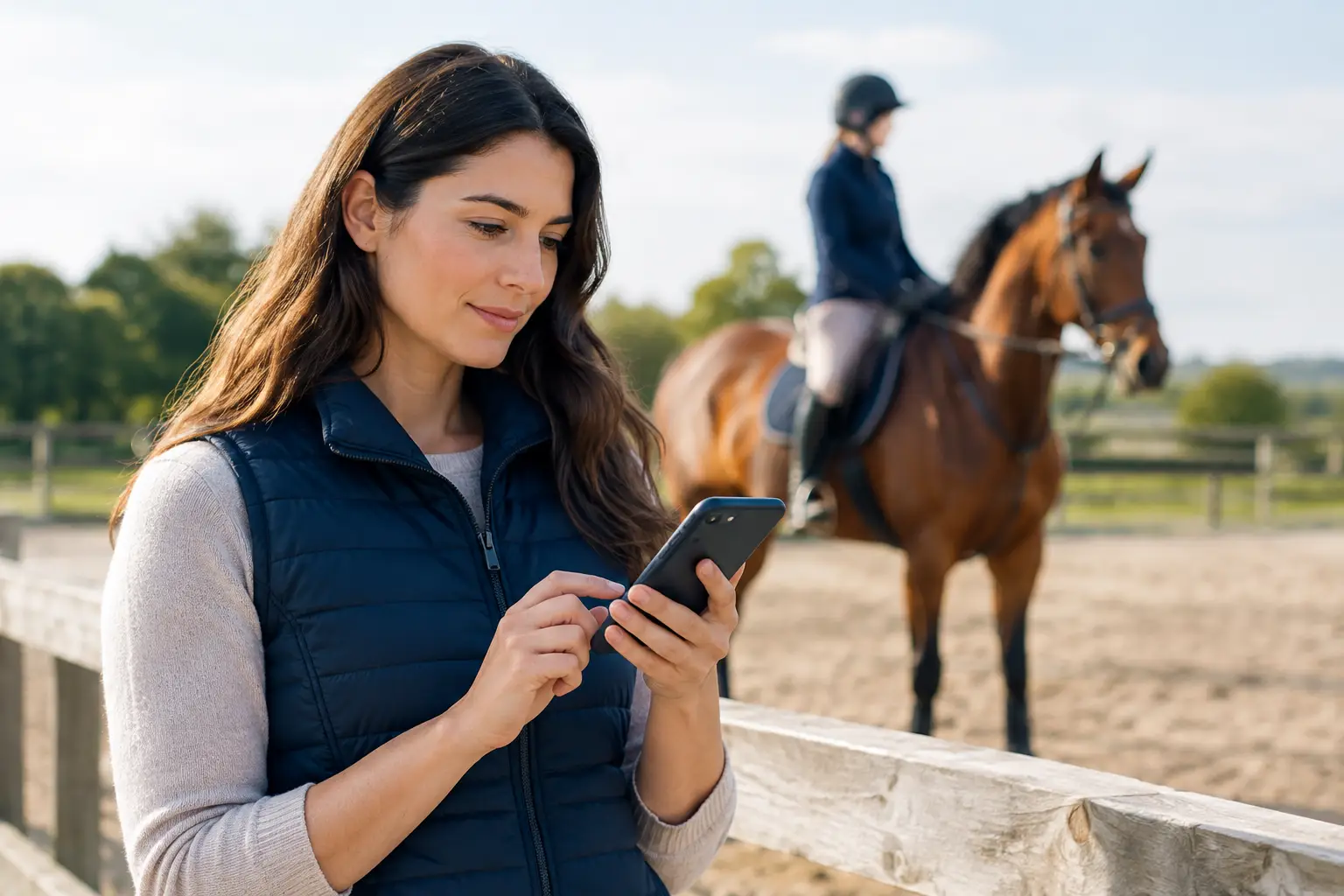
A glowing five-star rating can be reassuring, but riding lesson reviews become far more useful when you know what to look for between the lines. For a parent choosing a first program, an adult returning to the saddle, or a rider pursuing jumping or dressage goals, the right review should reveal more than whether someone had a pleasant afternoon around horses. It should offer clues about instruction, safety, horse care, communication, and the kind of progress a rider can reasonably expect.
Riding is a relationship-based sport. A rider is learning from an instructor, working with a horse, and often becoming part of a barn community. Reviews can help you understand whether that environment supports confidence and long-term horsemanship - provided you read them with a thoughtful eye.
Start With the Details Behind the Praise
A review that says, “My child loves it here,” is a positive sign, but it does not tell the full story. Look for the details that explain why a rider or family feels that way. The most helpful comments often mention an instructor’s teaching style, the condition and temperament of the horses, how staff communicate, or a rider’s specific improvement over time.
For example, a parent may describe how their child learned to groom, tack up, and understand barn rules before focusing heavily on riding. That suggests an emphasis on horsemanship, not simply being placed on a horse for a quick ride. An adult rider may mention receiving corrections tailored to their position or goals. This can indicate that lessons are individualized rather than taught as a one-size-fits-all experience.
Specific reviews tend to be more useful than broad compliments because they show what a program consistently delivers. A well-run facility should be able to provide both warmth and structure: a welcoming atmosphere paired with clear expectations for safety, preparation, and respect for the horses.
What Riding Lesson Reviews Can Tell You About Safety
Safety is not always the most exciting subject in a review, but it should be one of the first things a family considers. In a thoughtful equestrian program, safety is part of every lesson, from how riders enter the arena to how they lead, groom, mount, and dismount.
Look for references to attentive supervision, well-matched horses, appropriate helmets, clear barn rules, and instructors who make riders feel secure without making them feel rushed or afraid. Parents may use phrases such as “patient,” “watchful,” “organized,” or “my child feels safe and supported.” Those comments matter, especially for beginners and younger riders.
At the same time, safety does not mean every lesson will feel effortless. Riding requires focus, balance, responsibility, and the willingness to listen. A strong instructor teaches riders how to manage challenges calmly. Reviews that describe growing confidence, thoughtful coaching after a difficult moment, or instructors who explain the reason behind a correction can be especially meaningful.
It also helps to notice whether reviews mention the horses. Lesson horses should be appropriately trained for their job, cared for thoughtfully, and selected with the rider’s experience in mind. A beginner may need a steady, forgiving horse, while a more experienced rider may benefit from a horse that helps refine their aids and position. Good matching is a safety practice as much as a teaching practice.
Look for Evidence of Individualized Instruction
Private lessons offer a different experience from a busy group format. In a one-on-one setting, an instructor can observe the rider closely, adjust exercises in real time, and build skills at a pace that makes sense for that individual. This is valuable for children who need extra encouragement, adults rebuilding confidence, and serious riders working toward technical goals.
When reading reviews, notice whether people describe feeling known by their instructor. Comments about personalized feedback, goal setting, patient explanations, or lessons adapted to a rider’s needs are strong indicators of attentive coaching.
Progress will look different for every rider. For one child, progress may mean independently catching and grooming a horse or remembering arena etiquette. For another, it may mean developing a secure canter, riding a balanced course of fences, or improving accuracy in dressage movements. A review that recognizes these individual milestones often reflects a program that values development over comparison.
Be cautious of promises that sound too quick or too absolute. Riding is not a skill that can be rushed responsibly. Meaningful progress comes through consistent lessons, careful repetition, physical coordination, and a growing understanding of the horse. The best programs celebrate advancement while respecting the time it takes to build a solid foundation.
Consider Whether the Goals Match Your Rider
Before weighing reviews, decide what you want from lessons. A family looking for an introductory experience may prioritize patient instruction, reliable school horses, and a welcoming routine. A competitive-minded rider may be looking for structured training, technical feedback, and access to jumping or dressage instruction.
Neither goal is better than the other, but the program should be suited to the rider. Reviews are most valuable when the reviewer’s needs resemble your own. A detailed review from an adult amateur may be less relevant to a parent of a nervous eight-year-old, while a review focused on a child’s first pony experience may not answer an advanced rider’s questions about training depth.
Pay Attention to Communication and Professionalism
Horseback riding involves scheduling, weather decisions, attire, safety policies, and sometimes last-minute changes related to horse health. Clear communication is not a small detail. It is part of a professional program’s commitment to riders, families, and horses.
Reviews may mention responsiveness, organized scheduling, transparent policies, or instructors who take time to answer questions. These are practical signs that a facility respects clients’ time and takes its responsibilities seriously.
For parents, communication should include more than reminders about lesson times. It may also include guidance on appropriate riding attire, expectations for arriving early enough to prepare, and updates on a child’s development. For horse owners, professionalism may extend to training plans, care routines, and honest conversations about a horse’s needs.
No program can eliminate every scheduling conflict or weather interruption. What matters is how those situations are handled. Reviews that describe calm, respectful communication during changes can tell you a great deal about the culture behind the scenes.
Read Patterns, Not Just Individual Opinions
Every review reflects one person’s experience, and no business will be the right fit for every family. A single short review, whether highly positive or critical, should not carry the entire decision. Look instead for repeated themes across several comments.
If families consistently mention patient coaching, clean facilities, well-cared-for horses, and genuine progress, that pattern is more informative than a single five-star rating. Likewise, if several reviewers describe disorganization, unclear expectations, or a lack of attention, it is worth asking direct questions before committing.
Consider the date of each review, too. Recent feedback is usually more relevant to current instructors, programs, and facility practices. Older reviews can still offer context, particularly when positive themes continue over time, but they should not be your only source of information.
Use Reviews to Ask Better Questions
Reviews should narrow your search, not replace a conversation. Once you find a program that appears promising, use what you have read to guide your questions. Ask how riders are matched with horses, whether lessons are private or group-based, what beginners learn before advancing, and how instructors measure progress.
Parents may also want to ask how staff handle nervous riders, what safety equipment is required, and whether children are taught grooming and ground skills alongside riding. Experienced riders can ask about training plans, discipline-specific instruction, and how lessons are adapted to current strengths and areas for improvement.
If possible, observe the facility before enrolling. Watch how instructors speak to riders, how horses are handled, and whether the atmosphere feels calm, purposeful, and kind. A polished review can point you in the right direction, but seeing the daily rhythm of a barn offers valuable context.
At Eden Hills Equine, individualized instruction is designed to help riders build both skill and sound horsemanship in a focused, supportive environment. That same standard is worth seeking wherever you choose to learn.
The right riding program should leave a rider feeling challenged, cared for, and eager to return. Read reviews carefully, ask the questions that matter to your family, and choose the place where steady progress and thoughtful horse care are visible from the very first visit.