

How to Start Horseback Riding Right
Learn how to start horseback riding with the right lessons, gear, safety habits, and expectations so beginners build confidence from day one.
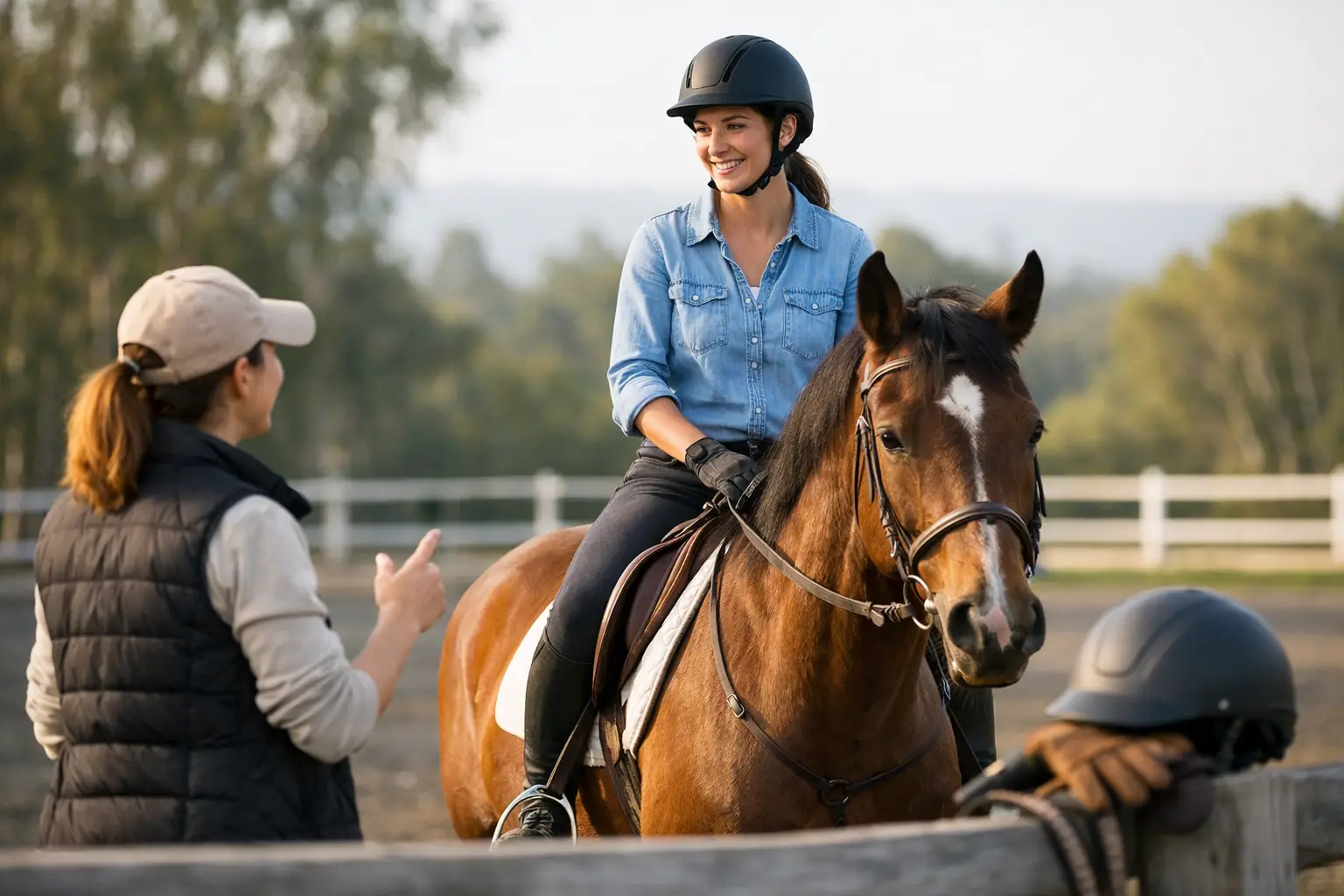
The first ride usually tells you two things at once: horses are wonderfully sensitive, and they are much more powerful than they look from the ground. That is exactly why how to start horseback riding matters so much. A thoughtful beginning builds confidence, good habits, and respect for the horse from the very first lesson.
For many beginners, the biggest question is not whether riding looks exciting. It is where to begin without feeling overwhelmed. Parents often want to know what makes a program safe and worthwhile. Adult beginners tend to wonder if they are starting too late. In practice, the best start is rarely about doing everything quickly. It is about learning in the right order, with clear instruction and enough individual attention to make real progress.
How to start horseback riding with the right expectations
Horseback riding is a skill, not a one-time experience. That sounds obvious, but it changes how you should approach your first few months. Riding well involves balance, timing, body awareness, communication, and horsemanship on the ground. You are not just learning how to sit on a horse. You are learning how to understand one.
That is why beginners benefit from a structured program rather than occasional rides. A single lesson can be fun, but consistency is what teaches riders how to steer, stop, post, maintain position, and stay calm when something feels unfamiliar. Children especially do well when lessons create routine and clear expectations. Adults do too, even if they pretend they are only there for fun.
It also helps to know that progress is not perfectly linear. One lesson may feel easy, and the next may feel like a setback. That is normal. Riders build confidence by repeating fundamentals until they become second nature.
Start with lessons, not with buying a horse
This is one of the most important decisions a beginner can make. If you are new to the sport, start with professional instruction on an appropriate school horse. Buying or leasing too early can add pressure, cost, and responsibility before you know what kind of rider you want to become.
A quality lesson program gives you something more valuable than early ownership: perspective. You learn how different horses move, how trainers structure learning, and whether you are drawn more to flatwork, jumping, dressage, or simply building a solid foundation. For families, this matters because a child who loves the idea of horses may need time to discover whether they enjoy the discipline of regular riding and barn responsibility.
There are cases where a lease makes sense before ownership, especially once a rider is progressing and wants more saddle time. But in the beginning, lessons are the clearest and safest first step.
What to look for in a beginner riding program
Not all first lesson experiences are equal. For a beginner, especially a child, the environment matters almost as much as the instruction. You want a setting where safety is built into the daily routine, not treated like an afterthought.
Look for a program that emphasizes private or highly individualized instruction in the early stages. New riders learn faster when a trainer can focus closely on position, rein length, confidence, and how the rider responds to the horse. In a crowded group, beginners can miss those small corrections that later become very hard to fix.
You should also pay attention to the horses themselves. Good lesson horses are patient, properly managed, and matched carefully to rider ability. A calm horse does not mean a dull one. The best beginner horses teach riders to be clear and consistent without creating unnecessary fear.
Facility design matters too. Clean, organized spaces, clear barn rules, appropriate footing, and well-maintained tack all support a safer start. These details may seem small to someone new to riding, but they tell you a great deal about the overall standard of care.
What to wear for your first rides
You do not need a full show wardrobe to begin, but you do need a few essentials. The most important item is a properly fitted riding helmet. This is non-negotiable. A lesson program should be serious about helmet use from the moment a rider enters the arena.
For clothing, choose fitted pants or riding breeches that allow movement without bunching. Avoid shorts, slick fabrics, or anything with bulky seams that will become uncomfortable in the saddle. Footwear should have a small heel and a closed toe. This helps prevent the foot from sliding too far through the stirrup.
Gloves can be helpful, especially for riders with sensitive hands, though they are not always necessary on day one. As you continue, your trainer may recommend additional gear based on your discipline and frequency of riding. In the beginning, safe and functional is better than fashionable.
Your first lessons should include more than riding
A strong program teaches horsemanship alongside riding skills. That means beginners should learn how to approach a horse, lead properly, groom, understand basic tack, and follow barn safety rules. These ground skills often shape confidence just as much as time in the saddle.
This is particularly important for young riders. Children who learn to handle horses respectfully develop patience, awareness, and responsibility. They also become safer riders because they begin to recognize horse behavior before they are mounted.
Adult riders benefit from this education as well. Many adults are surprised by how much easier riding becomes when they understand why a horse reacts a certain way. A horse that hesitates, drifts, or speeds up is not being random. Usually, there is a reason, and a rider who understands that reason becomes more effective and more secure.
How to start horseback riding without feeling intimidated
Feeling nervous around horses is normal. They are large animals, and beginners are often trying to absorb a lot of information at once. The right instructor will not dismiss that feeling. They will help you work through it with clear steps and realistic goals.
In a good first phase of training, confidence comes from predictability. Riders mount the same way each time. They learn how to hold the reins correctly, how to halt, how to walk on, and how to maintain a balanced position before adding more difficulty. This order matters. Rushing to trot or canter before a rider feels secure at the walk usually creates tension instead of progress.
For parents, this is worth remembering. A child does not need to be pushed into faster riding to be developing well. Often, the riders who advance most successfully are the ones who are given time to build a steady base.
Progress depends on consistency more than intensity
If you are wondering how often to ride, the honest answer is that it depends on your goals. A rider who wants a recreational introduction may do well with one lesson each week. A rider who wants stronger progress, especially in English riding, usually benefits from more regular work over time.
Consistency helps the body remember what it is learning. Riding uses muscles and coordination patterns that are not part of daily life for most people. If too much time passes between lessons, each session can feel like starting over. That does not mean beginners need an aggressive schedule. It means steady repetition tends to work better than bursts of enthusiasm followed by long gaps.
This is one reason individualized coaching is so valuable. A trainer can adjust the pace based on the rider's age, confidence, goals, and learning style rather than forcing everyone through the same timeline.
Common beginner mistakes and what actually helps
Beginners often try to do too much with their hands and not enough with their seat and leg. That is normal. When you are unsure, pulling on the reins can feel like the safest choice. In reality, balanced riding comes from learning how your whole body influences the horse.
Another common mistake is comparing your progress too closely to someone else's. Riders learn at different speeds, and horses teach different lessons. A child who looks bold may still need help with fundamentals. An adult who feels cautious may actually be developing excellent form because they are listening carefully.
It also helps to accept that some parts of riding feel awkward before they feel natural. Posting the trot is a classic example. Most riders bounce, lose rhythm, or laugh through it at first. That does not mean they are not suited to riding. It means they are learning.
When you know you're ready for the next step
After a solid start, many riders begin to ask about leases, additional training days, camps, or discipline-specific goals. That next step should come after the basics are dependable, not simply because enthusiasm is high. A rider is usually ready for more when they can follow instruction consistently, ride with reasonable independence at their current level, and show good judgment around horses on the ground.
For some families, that next phase includes a more serious commitment to riding development. For others, it means continuing lessons in a way that keeps the experience enjoyable and sustainable. There is no single right timeline. What matters is choosing a path that supports both rider growth and horse welfare.
At Eden Hills Equine, that kind of start matters because beginners deserve more than a quick introduction. They deserve careful instruction, safe habits, and the chance to grow into true horsemanship at a pace that builds lasting confidence.
If you are just beginning, keep your focus simple: find thoughtful instruction, commit to the basics, and give yourself room to learn. Riding has a way of rewarding patience, and the riders who begin with care often enjoy the sport the longest.