

What to Wear Riding Lessons for Comfort
Wondering what to wear riding lessons? Learn the safest, most comfortable outfit for beginners and experienced riders alike.
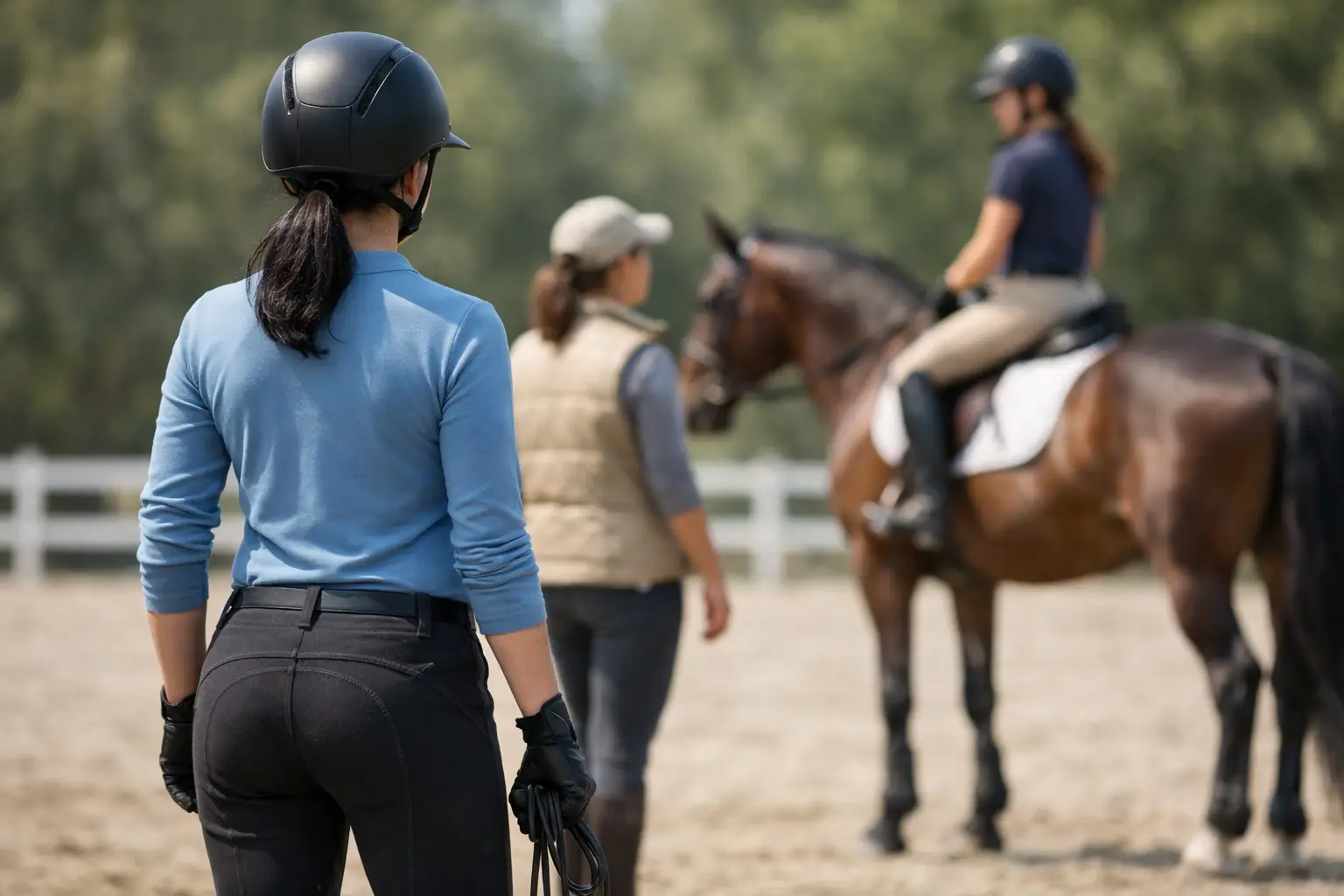
The wrong outfit usually shows up in the first ten minutes of a lesson. A slipping hoodie, jeans rubbing at the knee, or shoes that slide through the stirrup can turn a good learning experience into a distracted one. If you are wondering what to wear riding lessons, the goal is simple: choose clothing that helps you stay safe, move comfortably, and focus on riding instead of adjusting what you have on.
For new riders, that can feel less obvious than it sounds. Riding clothing does not need to be overly complicated, and you do not need a trunk full of specialty gear to start well. What matters most is a safe helmet, the right footwear, and close-fitting clothes that allow freedom of movement without creating extra bulk.
What to wear riding lessons from head to toe
A well-chosen riding outfit supports balance, safety, and good habits in the saddle. It also helps instructors teach more effectively, because they can see your leg position and body alignment clearly.
Start with a properly fitted helmet
A riding helmet is the most important piece of equipment you will wear. It should be specifically designed for horseback riding, fit snugly without pinching, and sit level on your head rather than tipped back. If it shifts when you move, it is not the right fit.
This is one area where borrowing casually from a bike helmet or another sport is not a substitute. Equestrian helmets are built for a different type of impact and should meet current safety standards. For families with growing children, fit matters just as much as the brand name. A high-end helmet that moves around is less helpful than a correctly fitted one that stays secure.
Choose tops that are fitted but comfortable
Shirts for riding lessons should be close-fitting enough that they do not bunch or catch, but not so tight that they restrict movement. A simple T-shirt, athletic top, or long-sleeve performance shirt usually works well. In cooler weather, light layers are better than a bulky sweatshirt.
This is especially true in Texas, where mornings can start cool and afternoons warm up quickly. Breathable fabrics tend to be more comfortable than heavy cotton once the lesson gets active. If you tend to get hot, moisture-wicking athletic wear is often a smart choice.
Loose sleeves, drawstrings, and oversized hoodies can become distracting around tack and reins. They are not always dangerous, but they can interfere with clean movement and make it harder for a rider to feel organized.
Wear pants that allow movement and reduce rubbing
For most riders, the best answer is a pair of riding breeches, tights, or close-fitting athletic pants. These help prevent chafing and allow your instructor to see your leg position. They also move better with your seat and knee than stiff fabric does.
Jeans are common around horses, but they are not always the best choice for English riding lessons. Some riders are comfortable in them, especially for short beginner sessions, but seams can rub and the fabric can feel restrictive. If you are trying to build correct position, a smoother, stretchier pant is usually easier to ride in.
Leggings can work for early lessons if they are thick enough to provide coverage and structure. Very slippery or ultra-thin fashion leggings are less ideal. The fabric should stay in place when you mount, post, and adjust your leg.
Footwear matters more than many beginners expect
Shoes for riding lessons need a closed toe, a small heel, and a sole that works safely with the stirrup. Paddock boots are a standard choice for a reason. They support the foot well and help prevent it from sliding too far through the stirrup.
Tennis shoes are a common beginner mistake. They may feel comfortable on the ground, but they usually do not provide the right shape or heel for riding safely. Sandals, open-back shoes, and bulky boots are also poor options.
If you are not ready to purchase tall boots, that is perfectly fine. Many riders begin with paddock boots and build from there as lessons become more regular. Half chaps can be added later for extra comfort and a more polished feel, but they are not usually the first priority.
What beginners should wear to riding lessons
If this is your first lesson, keep it simple. Wear a fitted shirt, comfortable riding pants or sturdy athletic pants, and paddock boots or another approved boot with a heel. Add a properly fitted riding helmet, and you are in good shape.
Parents often worry that their child needs a full show-ring wardrobe before starting. They do not. A beginning rider needs safe basics, not an expensive collection of extras. Starting with the essentials keeps the focus where it should be - on confidence, balance, and learning horsemanship well.
That said, there is a difference between simple and careless. Clothes should be clean, practical, and chosen with movement in mind. If a child spends the lesson tugging at a shirt or complaining about pinching seams, that discomfort can affect how much they absorb.
Seasonal tips for what to wear riding lessons
Weather changes how a lesson feels, and smart layering makes a difference.
In hot weather, lightweight performance tops and breathable riding tights are usually more comfortable than thick cotton. Riders should still avoid shorts, even in summer, because exposed skin can rub against the saddle and tack. Sunscreen and water matter just as much as the outfit itself.
In cold weather, think in light layers. A fitted base layer, a quarter-zip, and a vest often work better than one heavy jacket. Riders need to be able to bend their elbows, follow the horse’s movement, and keep a steady rein contact. If outerwear is too bulky, that becomes harder.
Gloves can be useful in both heat and cold, depending on the rider. Some people like the extra grip on the reins, while others prefer to ride without them at first. It depends on comfort, sensitivity, and how long the lesson lasts.
Items that are fine later, but not essential on day one
Riding has plenty of specialty gear, and it is easy for new riders to assume they need all of it immediately. Most do not.
Tall boots, half chaps, riding-specific sun shirts, belt bags, and show clothes all have their place, but they are not the first purchase most riders need to make. For many families, it makes sense to begin with a helmet and boots, then add other items once riding becomes a regular commitment.
This approach is especially helpful for children who are just getting started. Sizes change quickly, interests can develop over time, and comfort preferences often become clearer after a few lessons.
What not to wear for riding lessons
Some clothing choices create problems quickly, even if they seem harmless at first. Shorts, sandals, flat fashion boots, and slippery shoes should be avoided. Very loose tops, dangling jewelry, and anything that limits movement are also poor choices.
It is also wise to skip clothing that you do not want exposed to dust, sweat, or the general realities of a barn environment. Riding lessons are active, hands-on, and practical. Dressing with that in mind helps riders feel more at ease from the start.
Hair should be secured neatly, especially for riders with long hair. A low ponytail or braid tends to sit more comfortably under a helmet than a high ponytail. Small details like this can make a lesson feel more organized and less distracting.
Dressing for progress, not just appearance
There is a polished look associated with English riding, and it exists for good reason. Neat, well-fitted attire supports safety and allows riders to function comfortably around horses. But for lessons, the real purpose of proper clothing is not appearance alone. It is to support clear instruction and good habits.
When riders are dressed appropriately, they can sit more comfortably, use their leg more effectively, and stay focused on the horse. In a private lesson setting, where instruction is individualized and details matter, those small advantages add up. A trainer can more easily coach alignment, posture, and position when clothing works with the lesson instead of against it.
That is one reason many serious programs place value on proper turnout without making it feel intimidating. The standard is there to support learning. At Eden Hills Equine, that same mindset shapes every part of rider development - thoughtful preparation, careful attention to safety, and a clear path toward steady progress.
If you are deciding what to wear riding lessons, aim for practical, safe, and comfortable rather than perfect. A secure helmet, the right boots, and clothing that lets you move well will do more for your riding than any fashionable extra. When your outfit disappears into the background, you are free to pay attention to the horse, the instruction, and the quiet confidence that starts to build with every ride.