

Is Horse Boarding Worth It? What Owners Should Know
Is horse boarding worth it for your family and your horse? Learn how care, safety, training access, and cost shape the right decision for both over time.
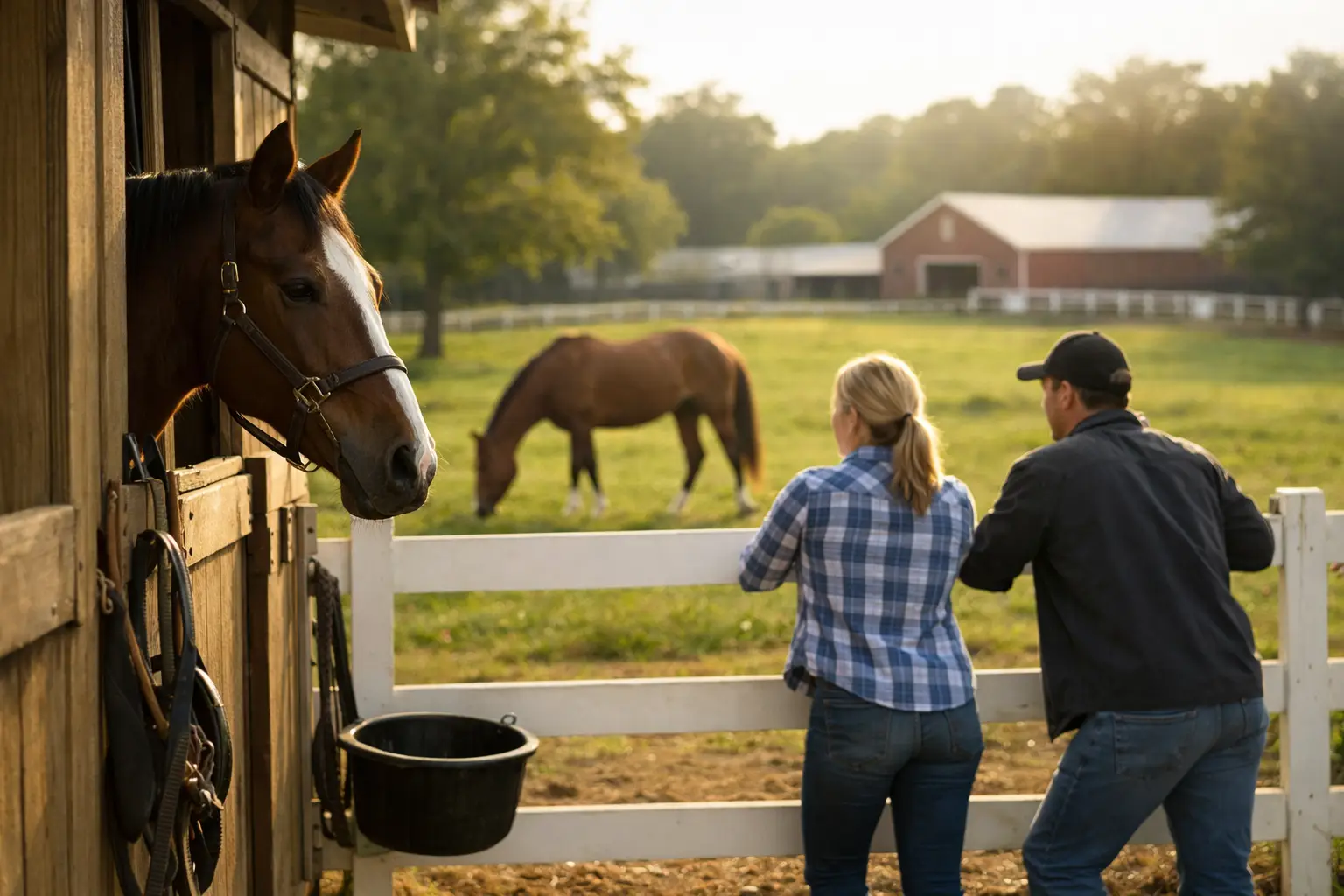
The question usually arrives after a horse has captured someone’s heart and the practical realities start to come into focus: daily feeding, turnout, hoof care, weather, exercise, and supervision. Is horse boarding worth it? For many owners, yes - not because boarding makes horse ownership inexpensive, but because the right full-care environment provides consistency, safety, and knowledgeable oversight that are difficult to reproduce alone.
The better question is whether a particular boarding arrangement is worth it for your horse, your goals, and your family’s schedule. A horse’s needs do not pause when life gets busy, temperatures rise, or travel plans change. Quality boarding can make ownership more manageable while giving both horse and rider the structure needed to grow.
What You Are Really Paying for With Horse Boarding
Board is more than a stall or pasture space. At a well-managed facility, it is an organized care system built around the horse’s everyday needs. Full-care board commonly includes regular feeding, clean water, turnout or pasture access, manure management, basic observation, and coordination with farriers and veterinarians when needed.
That dependable daily rhythm matters. Horses thrive on consistency, and subtle changes in appetite, movement, attitude, or manure can signal a concern before it becomes a larger problem. When experienced people see your horse regularly, there is a greater chance that those changes will be noticed promptly.
For families, the value is often as practical as it is emotional. Parents do not have to become overnight experts in hay storage, fencing repair, feed schedules, or recognizing when a horse may need professional attention. Owners still have meaningful responsibility, but they are supported by a team and a facility designed for equine care.
Is Horse Boarding Worth It for Your Horse?
A boarding situation is worth the investment when it improves the horse’s quality of life and supports his individual needs. A retired horse, a busy show horse, a young prospect, and a seasoned schoolmaster may all need different management, but each benefits from safe footing, thoughtful turnout, proper nutrition, and attentive handling.
Start with safety. Well-maintained fencing, secure gates, appropriate turnout groupings, clean water sources, and a clear plan for severe weather are not extras. They are foundational. The barn environment should also make it easy for staff to monitor horses without creating unnecessary stress or crowding.
Next, consider how your horse lives day to day. Some horses do best with ample turnout and social interaction. Others need a more controlled routine, carefully managed feed, or a quieter setting. The goal is not to find a one-size-fits-all program. It is to find care that takes the horse in front of you seriously.
For owners with performance goals, access to quality riding spaces can also be a major part of the value. A horse in regular work needs safe, usable areas for schooling. For jumping and dressage riders, thoughtfully maintained arenas and a program that supports correct training can protect both progress and soundness.
The Cost Question Requires an Honest Comparison
Boarding fees can feel substantial until you compare them with the true cost of keeping a horse at home. Home ownership may require land, fencing, shelters, manure removal, feed storage, equipment, property maintenance, insurance considerations, and reliable help when you are unavailable. Even owners with an ideal property must plan for emergencies and daily care without exceptions.
Boarding does not eliminate every expense. Farrier care, veterinary care, dental work, supplements, insurance, blankets, tack, and show or lesson expenses remain part of responsible horse ownership. However, board can consolidate the daily care costs and responsibilities that might otherwise be unpredictable or difficult to manage.
It is also helpful to separate price from value. The least expensive option is not automatically the most economical if it leads to inconsistent care, limited access to safe riding areas, or a lack of communication when something changes with your horse. Conversely, premium board may not be worthwhile if the amenities and services do not match your actual needs.
Ask what is included, how feed is managed, what happens during extreme weather, and how the facility communicates about injuries or health concerns. Clear answers help you compare options fairly rather than comparing a single monthly number.
Training Access Can Change the Value of Boarding
For riders who want to improve, boarding at a training-focused program can offer benefits beyond daily horse care. Regular access to private instruction creates continuity between what a rider learns and what they practice. Instead of trying to remember a correction from weeks ago, a rider can build on it through a consistent program.
This is particularly valuable for young riders. Children often gain confidence when expectations are clear and instruction is individualized. They learn that horsemanship includes grooming, tacking up correctly, caring for equipment, understanding horse behavior, and making thoughtful choices on the ground - not simply getting in the saddle.
Adult amateurs benefit from that same individualized attention. A rider returning after time away may need a steady, confidence-building plan. An experienced rider may be focused on improving a dressage test, developing a more effective jumping position, or bringing along a horse with specific training needs. In each case, the best support is tailored rather than generic.
At a boutique program such as Eden Hills Equine, the smaller setting can make a meaningful difference. A horse-and-rider pair is not just another name on a schedule. Personalized coaching and attentive horse care work together, giving owners a clearer path toward measurable progress.
When Boarding May Not Be the Right Fit
Horse boarding is not automatically the right answer for every owner. If you want complete control over every aspect of your horse’s care, have the appropriate property and experience, and can reliably meet daily needs, home care may suit you well. Some owners also prefer a retired horse to live in a simple, familiar pasture environment with minimal facility demands.
Boarding may also feel frustrating when expectations are not aligned. An owner who wants daily riding access may be disappointed by a program with limited arena availability. A horse needing specialized medical management may require a level of care beyond what a standard board package includes. These are not necessarily failures of boarding. They are signs that the horse’s needs and the program’s services need to be matched more carefully.
Before committing, be realistic about your schedule. Owning a boarded horse still requires time. Your horse needs regular attention from you, even when the facility handles the basics. The relationship, training, grooming, and enjoyment are yours to build.
Questions to Ask Before You Commit
A visit should give you more than a quick impression of clean aisles and pretty views. Notice whether the horses appear comfortable, whether water and fencing are well maintained, and whether the atmosphere feels calm and organized. Ask how emergencies are handled and who is contacted when a horse needs veterinary attention.
You should also understand the daily routine. Find out how often horses are fed, what turnout looks like, whether blanketing or medication administration is available, and how feed changes are communicated. If you plan to ride regularly, ask about arena access, lesson availability, training options, and policies that affect your schedule.
For parents, it is worth asking how young riders are supervised and taught. A good program supports independence without asking children to manage responsibilities beyond their experience. Safety procedures, clear expectations, and patient instruction create a far better foundation than simply putting a child on a horse and hoping confidence follows.
Finally, pay attention to communication. You should feel comfortable asking questions and confident that your horse is being treated as an individual. Trust is a central part of boarding, because you are placing a beloved animal’s everyday well-being in someone else’s hands.
Making a Decision You Can Feel Good About
The right boarding program should make horse ownership more sustainable, not more stressful. It should give your horse dependable care and give you room to enjoy the parts of ownership that brought you to horses in the first place: partnership, learning, progress, and time in the saddle.
If the care standards are strong, the environment is safe, and the program supports your goals, boarding is often worth far more than the convenience it provides. It is an investment in a horse’s daily well-being and in the kind of rider, owner, and horseperson you have the opportunity to become.