

Private Riding Lessons That Build Real Confidence
Private riding lessons build safe, confident riders through focused coaching, clear goals, and true horsemanship at every stage of progress with purpose.
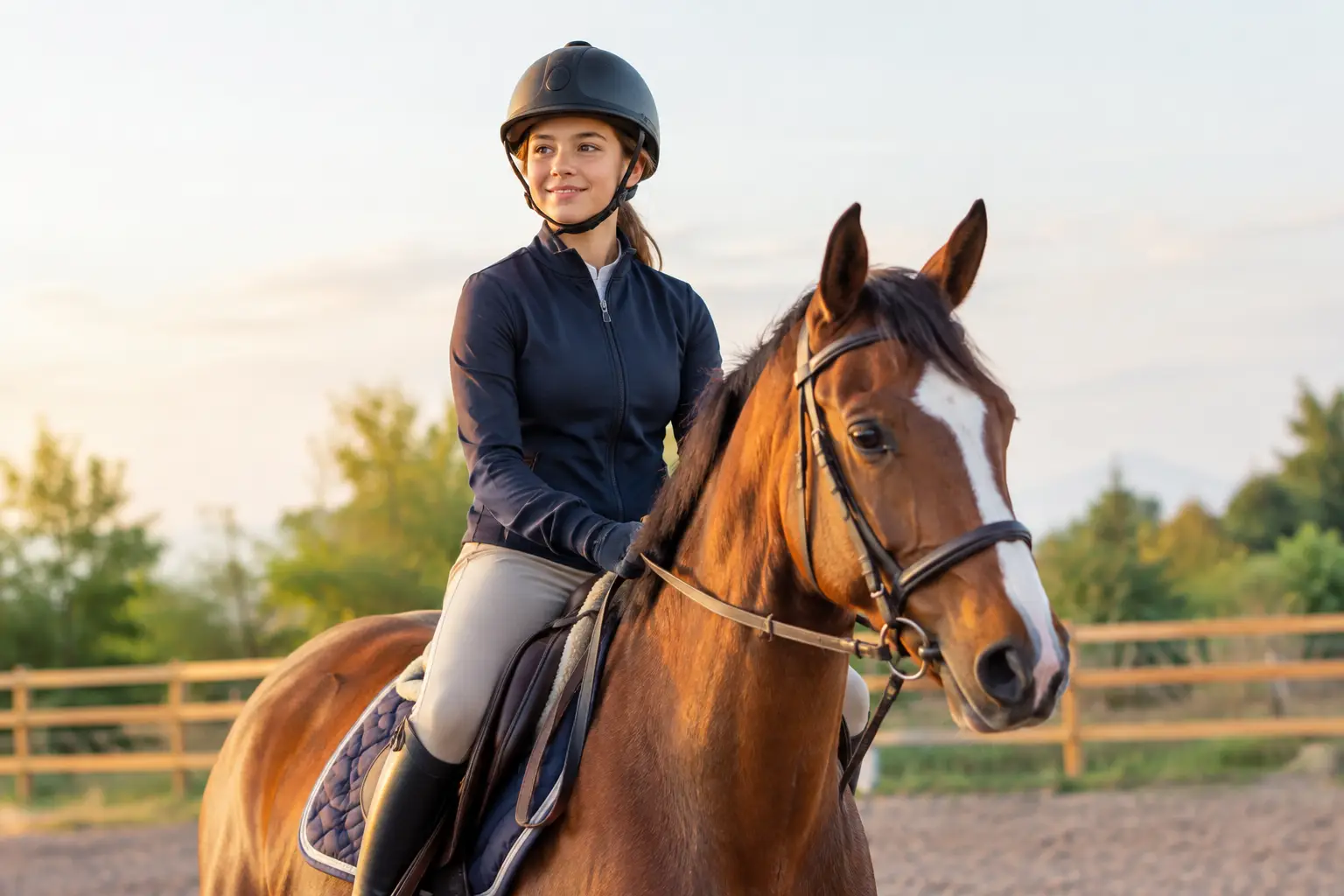
A rider’s progress is often decided in the quiet moments: adjusting a rein before a turn, recognizing that a horse is losing balance, or taking a breath instead of rushing a fence. Quality riding lessons give those moments the attention they deserve. They are not simply time in the saddle. They are a structured opportunity to build confidence, sound habits, and a meaningful relationship with the horse.
For children, teens, adult amateurs, and experienced riders, private instruction offers a focused path forward. Each lesson can meet the rider where they are while still setting clear expectations for what comes next.
Why Private Riding Lessons Make a Difference
In a private lesson, the instructor can watch the whole horse-and-rider partnership. That matters because riding is not one skill. Position, balance, timing, communication, awareness, and decision-making all develop together. A rider may understand an exercise in theory but need help applying it when the horse changes rhythm or becomes distracted.
One-on-one coaching creates room to address those details immediately. A beginner may spend time learning to steer accurately and maintain a steady posting trot. An intermediate rider may work on keeping an effective leg through transitions. A more advanced rider may refine a jumping course, improve a dressage movement, or develop a stronger plan for riding a particular horse.
The pace should be purposeful, not hurried. Some riders progress quickly through a new concept, while others need repetition before it becomes instinctive. Neither approach is wrong. The goal is lasting understanding, rather than checking off skills before a rider is ready to use them safely and independently.
A Strong Lesson Starts Before the Mounting Block
True horsemanship begins on the ground. Riders who learn how to approach, groom, tack up, and lead a horse gain more than barn skills. They begin to read equine behavior, notice changes in attitude or condition, and understand that good riding depends on thoughtful care.
For young riders especially, this responsibility is part of the value of an equestrian education. Horses require calm, consistency, and respect. Learning to fasten a girth correctly, pick out hooves carefully, or lead with awareness teaches discipline in a way that carries beyond the barn.
A well-run lesson program also makes safety part of every routine. Riders should learn why helmets fit properly, where to stand around a horse, how to handle equipment, and when to ask for help. These habits should feel normal from the first lesson, not like rules added only after a problem occurs.
What Beginners Should Expect
Beginning riders do not need prior horse experience to start, but they do need a willingness to listen, practice, and learn patiently. Early lessons generally focus on safe handling, basic riding position, stopping and steering, and developing balance at the walk and trot.
It is tempting to measure success by whether a rider can canter quickly or jump a fence. Those milestones can be exciting, but they mean more when the foundation underneath them is secure. A rider who can stay balanced, use quiet aids, and make thoughtful decisions is preparing for more enjoyable and safer progress later.
Parents may also appreciate that riding lessons build confidence gradually. A child who is nervous around a large animal should not be pushed to perform before they feel ready. With attentive instruction, small wins add up: leading independently, trotting with control, remembering a pattern, or caring for a horse with growing confidence.
How Experienced Riders Continue to Grow
More experienced riders benefit from individualized instruction just as much as beginners do. Once the basics become familiar, the work becomes more nuanced. Riders may need to improve their feel, strengthen their independent seat, understand a horse’s way of going, or develop consistency in the show ring.
In jumping, progress may mean riding a balanced approach, maintaining rhythm between fences, and making adjustments without overcorrecting. In dressage, it may mean developing clearer transitions, straightness, suppleness, and engagement. These disciplines ask for precision, but they also reward patience. A polished ride is usually the result of many small, correct choices.
Private instruction allows the trainer to tailor exercises to the rider’s goals and the horse’s needs. A confident rider on a sensitive horse may need a different approach than a developing rider on a steady school horse. The right lesson does not force every partnership into the same plan.
What to Look for in a Riding Program
The setting matters. Families and horse owners should look for a program where safety, horse welfare, and rider development receive equal attention. Clean, functional spaces and well-maintained equipment support a positive experience, but the standard of care should be visible in the daily details as well.
A thoughtful instructor communicates clearly with riders and parents. They explain not only what to do, but why it matters. They set realistic goals, celebrate progress, and address challenges directly without making riders feel discouraged.
Consistency also matters. Riding once can be memorable, but regular lessons create the repetition needed to build strength, coordination, and confidence. The best frequency depends on the rider’s goals, schedule, budget, and access to practice time. Weekly lessons are a strong starting point for many riders, while riders pursuing competitive goals or leasing a horse may benefit from a more comprehensive training plan.
At Eden Hills Equine, private instruction is designed to give each rider focused attention within a supportive, safety-minded environment. That individualized approach helps riders develop skills that are appropriate for their current level while keeping the next goal in sight.
Progress Is More Than a New Skill
A successful lesson program does not only produce riders who can perform an exercise. It develops people who understand responsibility, regulate their emotions, work through frustration, and care deeply about the animal beneath them.
There will be difficult days. A horse may have an off day. A rider may struggle with a concept that felt easy the week before. Weather, confidence, fitness, and the natural unpredictability of working with horses all affect the learning process. Good instruction helps riders respond to those moments with curiosity and composure instead of disappointment.
That is where confidence becomes real. It is not the absence of nerves or mistakes. It is the ability to return to the mounting block, listen carefully, and try again with better information than before.
Making the Most of Every Lesson
Riders can get more from their instruction by arriving with enough time to settle in, wearing appropriate riding attire, and coming prepared to focus. After the lesson, a quick conversation about what went well and what to practice next can help the rider retain the experience.
For parents, progress is not always dramatic from week to week. Watch for quieter changes: a child who speaks more confidently about horse care, remembers safety procedures without prompting, or handles a challenging moment with greater patience. Those are signs that the lessons are doing meaningful work.
The right riding program gives every rider room to grow with care, standards, and encouragement. When instruction respects both the horse and the individual, each lesson becomes more than an hour at the barn. It becomes a steady foundation for capable riding and lasting horsemanship.