

Safe Horse Riding Lessons for Confident Riders
Safe horse riding lessons build confidence through thoughtful instruction, well-matched horses, clear routines, and personal attention at every stage for riders.
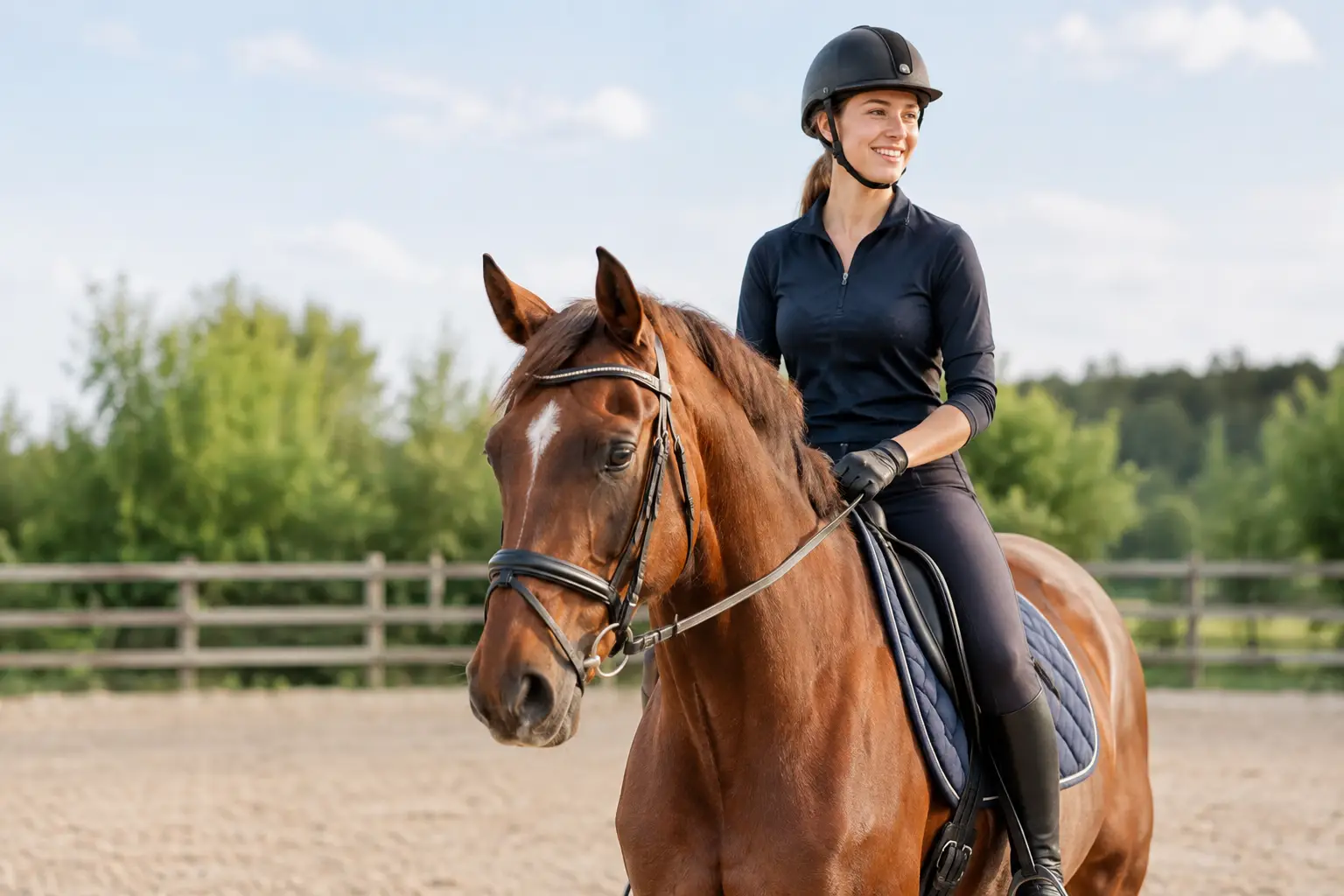
A child reaches for the reins, an adult takes a first deep breath in the saddle, and a horse quietly waits for direction. That moment can be exciting, but it should never feel rushed. Safe horse riding lessons create the structure that allows riders to enjoy those early milestones while learning how to make sound decisions around horses from the beginning.
For families and riders, safety is more than a helmet and a waiver. It is the quality of instruction, the temperament and preparation of the lesson horse, the condition of the riding environment, and the trainer’s ability to adjust each lesson to the person in front of them. In a private lesson setting, those details can be observed and addressed with care.
What Makes Horse Riding Lessons Safe?
A safe program teaches riders to understand horses, not simply sit on them. Horses are responsive, intelligent animals with individual personalities and physical needs. A rider who learns to read body language, move calmly, handle equipment correctly, and communicate clearly is better prepared for every part of the equestrian experience.
Thoughtful instruction starts before a rider mounts. Students should learn how to approach a horse, enter a stall or turnout area appropriately, lead with awareness, and tie or groom under supervision. These routines may look simple, but they build the habits that protect both horse and rider over time.
Once mounted, safety comes from progressive teaching. A beginner does not need to be pushed into a faster gait or a more difficult exercise to make progress. They need correct position, balance, quiet hands, an understanding of rein and leg aids, and the confidence to stop, steer, and regain composure. Each new skill should build logically on the one before it.
For experienced riders, safe instruction remains just as important. More advanced work in jumping or dressage requires accurate flatwork, a horse suited to the exercise, and a trainer who can identify small changes in balance before they become larger problems. Challenge has a place in good riding education, but it should be matched to genuine readiness.
The Value of Private Instruction
Private lessons offer an added layer of attention that is especially valuable for new riders, young children, returning adults, and riders working toward specific goals. With one rider to observe, an instructor can immediately address posture, rein length, mounting technique, focus, or a moment of uncertainty.
This individualized approach also allows the lesson to change when needed. A rider may arrive distracted after a long school day, nervous after a fall, or ready to make a meaningful leap forward. A good instructor recognizes the difference. Some days call for steady groundwork and quiet walk-trot work; others may be right for introducing poles, canter transitions, or a more technical dressage exercise.
Private instruction is not about making every lesson easy. It is about making progress intentional. Riders receive feedback that applies directly to their body, their horse, and their goals instead of trying to keep pace with a group lesson that may not fit their current stage of development.
The Right Horse Is Part of the Lesson
A safe lesson horse is not merely a horse that is gentle. The best match depends on the rider’s size, experience, balance, confidence, and the skills being taught that day. A calm, educated horse can help a beginner feel successful while teaching clear responses to correct aids. A more experienced rider may benefit from a horse that can demonstrate refined flatwork or support thoughtful jumping exercises.
However, even the most dependable horse has limits. Lesson programs should pay close attention to workload, footing, weather, turnout, nutrition, veterinary needs, and appropriate rest. Horses that are physically and mentally well cared for are better able to participate consistently and comfortably in their work.
Parents should feel comfortable asking how horses are selected for lessons and how their care is managed. A professional program will welcome those questions. Responsible horsemanship includes recognizing when a horse needs an easier day, a different rider, or time away from the lesson schedule.
Equipment Should Fit the Rider and the Job
A properly fitted, ASTM/SEI-certified riding helmet is essential for every mounted lesson. It should sit level on the head, fit snugly without pressure points, and have a securely fastened chin strap. Helmets should be replaced after a significant impact, even if no damage is visible.
Riders also need long pants and boots with a defined heel to reduce the chance of a foot slipping through the stirrup. Gloves, a protective riding vest, and appropriate layers can be useful depending on the rider’s goals and the weather, but they do not replace sound instruction.
Tack matters, too. Saddles, bridles, girths, stirrups, and reins must be in good condition and appropriate for the horse and discipline. Before mounting, students should learn to check that the girth is secure, the stirrups are adjusted, and the bridle is correctly fitted. These are practical skills that become second nature with consistent coaching.
A Safe Facility Supports Good Habits
The riding environment influences every lesson. Clear barn rules, organized grooming areas, secure gates, well-maintained fencing, and thoughtful traffic flow reduce unnecessary risks. Riders should know where horses may be led, where to stand when grooming, how to pass another horse safely, and when to ask for help.
In the arena, safe riding requires predictable routines. Instructors should explain where riders will travel, how to pass, when to halt, and how to maintain spacing between horses. Even in a private lesson, these habits matter because they prepare riders for clinics, shows, and future riding opportunities.
Footing deserves attention as well. It should be maintained for the type of work being done and monitored for changes caused by weather or use. In Texas, heat, storms, and shifting ground conditions can affect an outdoor riding plan. Adjusting a lesson due to weather is not lost progress. It is good judgment.
How Parents Can Support Safe Riding Progress
Parents do not need an equestrian background to help a child thrive in riding lessons. The most helpful support is consistency, patience, and an interest in what the rider is learning. Encourage your child to arrive on time, wear the required safety gear, listen carefully, and take responsibility for the small tasks appropriate to their age.
It is also helpful to view confidence realistically. A confident rider is not someone who never feels nervous. It is someone who knows how to pause, ask questions, follow directions, and try again with appropriate support. Riding can be humbling, especially as skills become more complex. That is part of its value.
Progress will not always look like a new jump height or a faster gait. It may look like a child remembering to check a girth, an adult relaxing through a trot transition, or a rider choosing to slow down and correct their position. Those quieter milestones often represent the strongest foundation.
Questions Worth Asking Before You Begin
Before enrolling, ask how lessons are structured for beginners, how horses are matched to riders, and what safety equipment is required. Learn who supervises grooming and mounting, how weather decisions are made, and whether the instructor has a clear plan for advancing riders at an appropriate pace.
You should also ask what happens when a rider is anxious or struggling with a skill. The answer should reflect patience, supervision, and a willingness to adapt rather than pressure to perform. At Eden Hills Equine, individualized coaching helps riders build competence without losing the care and encouragement that make learning sustainable.
Safe Horse Riding Lessons Build More Than Riding Skills
The lessons riders carry beyond the arena are often the most meaningful. Horses teach patience, accountability, emotional awareness, and respect for a living partner. They also teach that careful preparation matters. A rider who learns to slow down, check details, and communicate kindly is gaining something more lasting than a riding technique.
Whether the goal is a child’s first independent trot, a teenager’s development in jumping, or an adult’s return to the saddle, the right program makes room for both ambition and care. Choose instruction where questions are welcomed, horses are treated as valued partners, and each rider is given the time to grow with confidence.