

10 Signs a Horse Needs Professional Training
Learn the signs a horse needs professional training, when behavior may signal pain, and how thoughtful support can restore safety and confidence today.
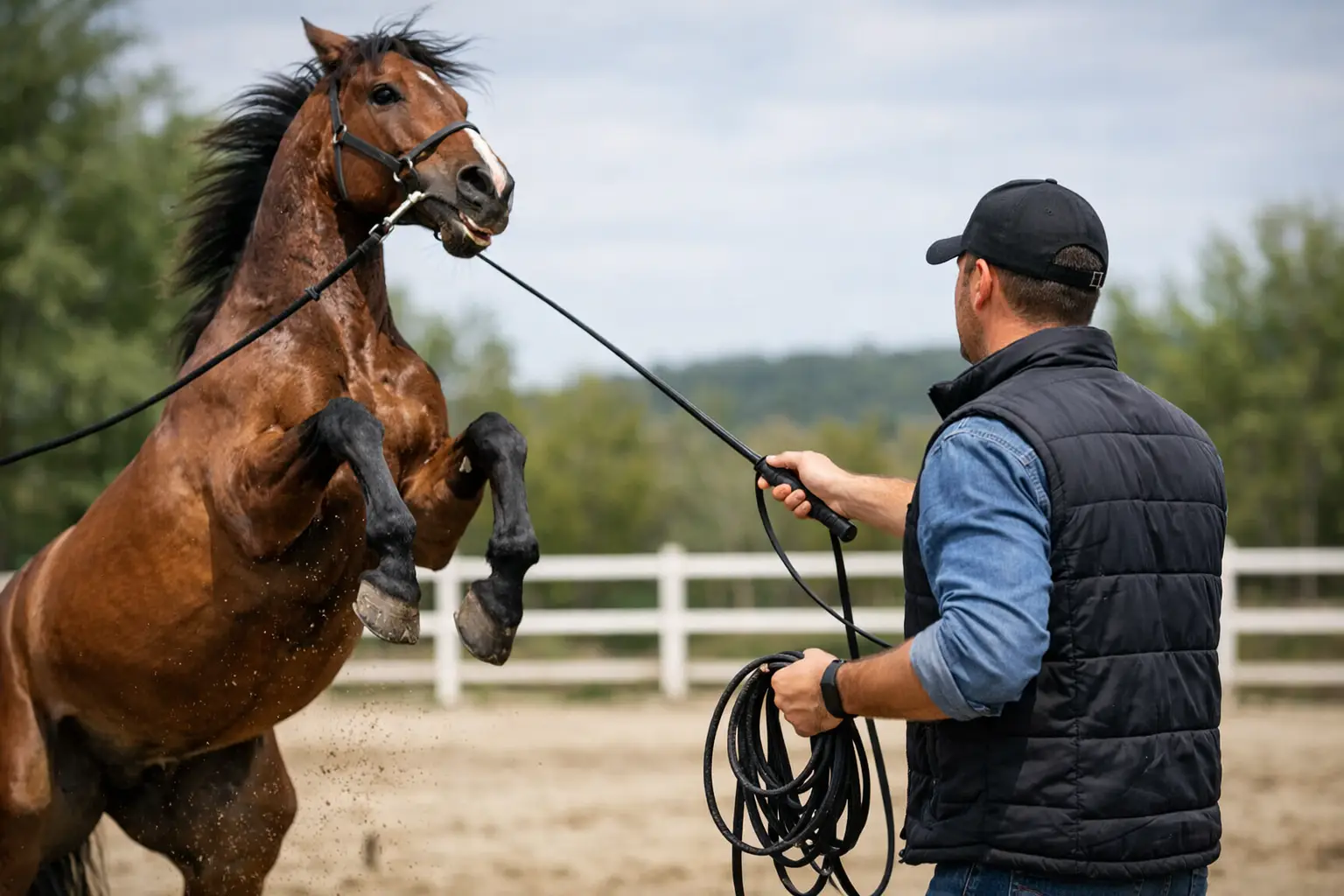
A horse who suddenly pulls away at the mounting block, rushes through a gate, or refuses a familiar exercise is communicating something. The signs a horse needs professional training are not always dramatic, and they do not mean you have failed as an owner or rider. More often, they are an early invitation to look closely at the horse’s physical comfort, daily routine, handling, and education before a small concern becomes a safety issue.
For families and adult amateurs alike, the goal is not to make a horse perfectly obedient. It is to develop a horse who understands their job, moves with confidence, and can be handled safely and fairly. Thoughtful professional support can protect that goal while giving both horse and rider a clearer path forward.
Start by ruling out discomfort
Behavior is often the first visible sign that something has changed. Before treating a new resistance, explosive reaction, or decline in performance as a training issue, consider the horse’s physical well-being. Pain, ill-fitting tack, dental concerns, ulcers, hoof imbalance, changes in vision, or soreness can all look like disobedience under saddle.
A veterinarian, farrier, dentist, saddle fitter, or other qualified equine professional may need to be part of the conversation. A good trainer does not train through pain. They help identify patterns, adjust the work appropriately, and refer the owner to the right care provider when the behavior suggests a physical cause.
If health and comfort have been addressed, training can help clarify expectations and rebuild confidence. The following signs are worth taking seriously, especially when they are new, escalating, or putting people at risk.
10 signs a horse needs professional training
1. Ground manners are becoming unsafe
A horse that drags a handler, crowds personal space, swings their hindquarters, pins ears while being led, or pulls away during grooming needs prompt attention. These habits can start quietly and become dangerous because horses are powerful, fast learners. Professional training can establish clear boundaries through calm, consistent handling rather than force or intimidation.
2. Mounting has become difficult
Walking off, sidestepping, backing away, or becoming tense at the mounting block can make every ride feel uncertain. Sometimes this points to discomfort, so physical causes should be checked first. Once those concerns are addressed, a trainer can teach the horse to stand quietly and help the rider develop a consistent mounting routine that does not create more tension.
3. The horse rushes, ignores aids, or feels hard to control
A horse who speeds up when nervous, leans heavily on the rider’s hands, bolts toward the barn, or ignores requests to slow down is not simply being “hot.” The horse may lack balance, understanding, fitness, or confidence. Training focuses on building responsiveness through correct basics, so the horse learns to listen without becoming over-restrained or fearful.
4. Transitions, turns, or bending create resistance
Tail swishing, head tossing, bracing, rooting at the reins, refusing to bend, or kicking out during transitions deserve attention. These behaviors may be connected to discomfort, but they can also show gaps in the horse’s education. A professional can assess whether the horse understands the request, has the strength to perform it, and is being ridden in a way that supports rather than blocks correct movement.
5. Spooking has become frequent or dangerous
Every horse can be startled. The concern is not an occasional look at a new object, but a horse who regularly spins, bolts, freezes, or reacts bigger and bigger to ordinary sights and sounds. Repeated spooking can be linked to pain, stress, lack of turnout, an overwhelming workload, or a horse who has not been taught how to settle and refocus.
Professional training should not mean forcing a frightened horse past something. It means introducing new experiences at an appropriate pace, rewarding relaxation, and helping the horse build trust in the handler and rider.
6. Separation anxiety is disrupting work
Calling, pacing, pulling toward other horses, refusing to leave the arena, or becoming difficult when ridden alone can make even simple rides stressful. Horses are social animals, so some concern about leaving a herd is normal. But when attachment to another horse prevents safe handling or productive work, structured training can teach the horse to manage that pressure gradually.
This is one area where patience matters. Separating a worried horse too abruptly can intensify the behavior. A trainer can create small, successful steps that help the horse become more independent without overwhelming them.
7. Jumping problems are increasing
A horse who rushes fences, stops unexpectedly, runs out, lands on the wrong lead, or becomes anxious in a jumping course may need more than a rider asking them to try harder. Jumping issues can arise from pain, vision concerns, poor shoeing, lack of conditioning, confusing approaches, or holes in flatwork.
A professional program looks at the whole picture. The horse may need improved balance on the flat, a simpler grid exercise, a different pace, or time to rebuild confidence over smaller fences. Pushing a worried horse over bigger jumps is rarely the answer.
8. Performance is inconsistent from one day to the next
Some inconsistency is normal, particularly with young horses, horses returning to work, or horses adapting to a new routine. Still, a horse who is pleasant one day and dramatically resistant the next may be signaling an issue that deserves investigation. Keep notes about when the behavior occurs, what tack is used, who rides, the footing, turnout schedule, and any changes in feed or care.
Those details help a professional identify patterns that are easy to miss in the moment. They also make it easier to separate a true training gap from a management or comfort concern.
9. The rider’s confidence is shrinking
Sometimes the clearest sign is not only in the horse. If a rider is avoiding certain tasks, becoming nervous before catching or tacking up, or feeling unable to ride without someone standing nearby, the pair may need support. This is especially important for children and newer riders, who may not yet have the experience to recognize when a behavior is becoming unsafe.
The right training environment gives the rider focused instruction while the horse receives consistent guidance. Both sides of the partnership need a chance to learn. A capable horse can still be difficult for an inexperienced rider, and a skilled rider can struggle when a horse’s needs have changed.
10. You are constantly working around the behavior
Owners are resourceful. It is easy to normalize a routine of using extra people to catch a horse, avoiding grooming certain areas, skipping the mounting block, riding only when the arena is empty, or choosing not to ask for transitions that may cause a reaction. These workarounds may keep the peace temporarily, but they often allow the underlying problem to become more established.
Professional help is most effective when sought early. It is usually easier to reshape a new habit than to undo a behavior that has been repeated for months or years.
What professional training should look like
A quality training program begins with assessment, not assumptions. The trainer should want to know the horse’s history, current routine, health information, turnout, diet, tack, workload, and the owner’s goals. A horse preparing for a first show season needs a different plan than an older horse who has become difficult to load or a family horse who needs safer manners for children.
Progress should be measurable and appropriate for the individual horse. That may mean standing quietly for grooming, yielding softly on the ground, maintaining rhythm in transitions, hacking calmly away from the barn, or navigating a simple course with confidence. Training is not always linear. Some horses need more time, a lighter workload, or coordinated support from veterinary and hoof-care professionals.
Owners should also expect communication. Understanding what the horse is learning, what is improving, and how to handle the horse consistently at home helps preserve the progress made in training. At Eden Hills Equine, individualized attention supports this kind of thoughtful development for both horses and riders.
Give the horse a clear, fair path forward
Seeking professional training is not an admission that a horse is bad or that an owner has run out of options. It is a practical, caring decision that prioritizes safety, comfort, and long-term partnership. When a horse’s behavior changes, listen early, investigate thoroughly, and choose guidance that respects both the horse’s needs and the rider’s confidence.