

Top Benefits of Horse Lease Programs for Riders
Explore the top benefits of horse lease programs, from consistent riding and confidence to practical horsemanship, responsibility, and clear progress today.
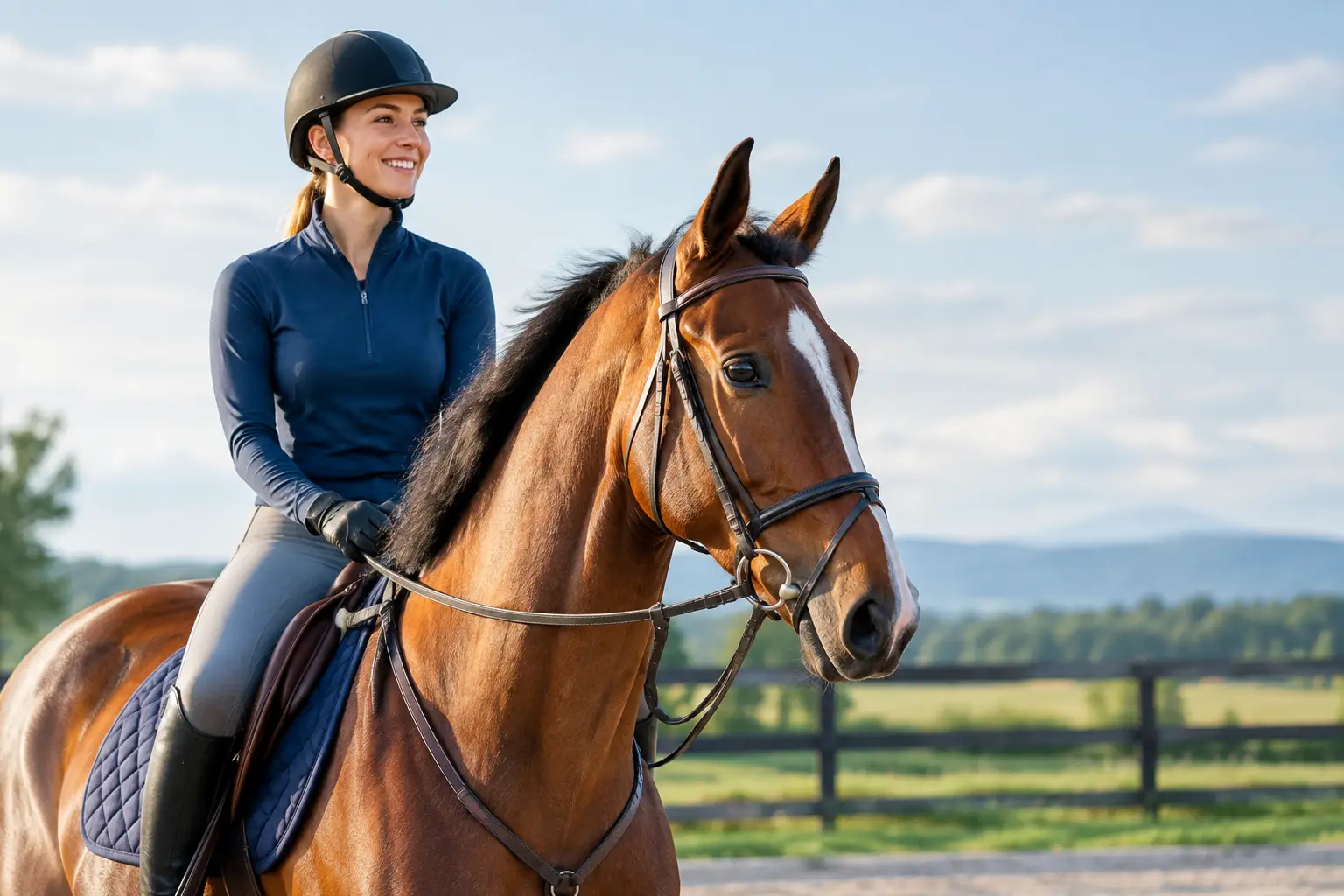
A rider can learn a great deal in a weekly lesson, but progress often changes when they begin working with the same horse consistently. That is where the top benefits of horse lease programs become especially meaningful. A thoughtfully structured lease gives a rider more time in the saddle, more responsibility around the horse, and a clearer connection between steady effort and real improvement.
For families deciding whether a lease is the right next step, it helps to see it as more than extra riding time. A lease can be a valuable bridge between lessons and horse ownership, offering a deeper equestrian experience without the full financial and daily commitment of owning a horse.
Top Benefits of Horse Lease Programs for Growing Riders
Consistency creates stronger riding skills
Riding different lesson horses is useful. It teaches riders to adjust their aids, balance, and expectations to different personalities and movement. But when a rider has regular access to one appropriate lease horse, they can also build the consistency needed to refine their skills.
They begin to recognize how that horse responds to a quieter leg, a steadier hand, or a more balanced position. Instead of spending each ride figuring out a new partner, the rider can focus on the details that move them forward. For a child learning to steer accurately, ride transitions, or maintain a correct jumping position, that repetition can make lessons more productive.
Consistency also helps instructors set meaningful goals. They can watch how a specific horse-and-rider pair develops over time and adjust instruction to support both confidence and correct technique. Progress becomes easier to see because the variables are not changing every week.
A lease builds confidence through partnership
There is a special kind of confidence that comes from knowing a horse well. A leased horse has familiar habits, preferences, and strengths. The rider learns what helps the horse relax during grooming, how much energy they may have on a particular day, and what preparation supports a focused ride.
That familiarity does not mean every ride will be effortless. Horses are living, thinking partners, and learning to work through a distracted day or a challenging exercise is part of horsemanship. Still, a steady partnership gives riders a secure place to practice resilience. They learn that a difficult ride is information, not failure, and that patient, correct work often leads to a better result.
For young riders especially, this relationship can be deeply motivating. They are not simply attending an activity. They are becoming accountable to a horse that recognizes them and benefits from their consistency.
Responsibility becomes real, not theoretical
Parents often appreciate horse leases because they introduce responsibility in a practical, supervised setting. Riders may be expected to arrive on time, groom thoroughly, pick hooves, clean and return tack, and leave their horse’s area orderly. These routines teach care, attention to detail, and respect for shared spaces.
The responsibility is not limited to barn chores. Riders also learn to observe. Is the horse comfortable? Does their coat, attitude, or movement seem different? Is tack fitted and cleaned correctly? A quality program helps riders understand when to handle an issue themselves and when to bring a concern to their instructor or barn manager.
A lease should never ask a child to manage adult-level horse care alone. Health decisions, feeding programs, turnout, veterinary care, and farrier scheduling remain the responsibility of experienced adults. However, a rider can still gain a meaningful understanding of what good daily care requires. That education is valuable whether they eventually own a horse or simply become a more capable, considerate rider.
More saddle time supports measurable progress
Skill development in riding depends on repetition, timing, and body awareness. Riders need opportunities to practice the concepts they learn in private instruction: keeping their eyes up, following the motion at the trot, riding accurate lines, or preparing a balanced canter transition.
A lease may provide additional riding days or designated practice time, depending on the arrangement. With trainer guidance and a horse suited to the rider’s level, those rides can reinforce what is taught in lessons rather than creating unproductive habits. The goal is not simply more hours in the saddle. It is purposeful riding that supports a rider’s established program.
This can be particularly helpful for riders working toward jumping or dressage goals. A rider preparing to ride a course needs time to develop rhythm, steering, and confidence between fences. A rider learning dressage benefits from feeling how straightness, bend, and transitions improve over a series of consistent rides. Each discipline rewards patient, correct practice.
Families can explore ownership with clearer expectations
Owning a horse is rewarding, but it is also a serious commitment of time, money, planning, and emotional energy. A lease offers a more realistic introduction to that commitment than a once-a-week lesson alone.
Families gain perspective on how often their rider truly wants to be at the barn, how well they follow through on responsibilities, and what level of involvement fits their schedule. They also begin to understand the ongoing costs and professional support behind good horse care, even when many of those responsibilities are managed by the facility.
A lease is not a trial run that perfectly mirrors ownership. The owner or program may still make final decisions about the horse’s care, schedule, and activities. Yet it can help families make future decisions from experience rather than enthusiasm alone. That is a healthier foundation for both rider and horse.
What Makes a Horse Lease Program Valuable
Not every lease arrangement serves the same purpose. Some are designed for riders who want a dependable horse for additional practice. Others may support riders preparing for clinics, shows, or more advanced training goals. The best fit depends on the rider’s experience, schedule, maturity, and long-term interests.
A strong program begins with an appropriate match. A newer rider needs a safe, patient horse with habits that support learning. An intermediate or advanced rider may benefit from a horse that challenges them while remaining suitable for their current skill level. Matching should never be based solely on a rider’s excitement about a particular horse. Temperament, training, physical ability, and rider goals all matter.
Clear expectations are equally important. Before beginning a lease, families should understand the riding schedule, supervision requirements, grooming and tack expectations, permitted activities, cancellation policies, and who makes decisions if the horse needs time off. Asking questions is not a sign of uncertainty. It is part of entering a horse-centered commitment responsibly.
At Eden Hills Equine, individualized instruction is central to rider development, and a lease can complement that approach when it is structured around the needs of the horse and rider. The right arrangement gives riders room to grow while preserving the thoughtful oversight that keeps learning safe and productive.
A Lease Is a Commitment, Not Just Extra Access
The additional access that comes with a lease is exciting, but it also asks more of the rider. Regular practice only helps when it is approached with focus. Riders need to be willing to listen to instruction, care for equipment, respect barn policies, and place the horse’s comfort ahead of their own plans.
There may be weeks when weather, school activities, a horse’s training needs, or a minor health concern changes the expected schedule. Horses do not operate on a fixed calendar, and flexibility is part of good horsemanship. Families who understand this from the beginning are more likely to have a positive experience.
A well-matched lease is not about rushing toward ownership or collecting more riding hours. It is about giving a rider the chance to show up consistently, learn thoughtfully, and earn the quiet confidence that comes from caring for and riding the same horse over time.