

Wimberley Riding Lesson Guide for New Riders
Use this Wimberley riding lesson guide to choose private instruction, prepare for your first visit, and build safe, lasting riding confidence with care.
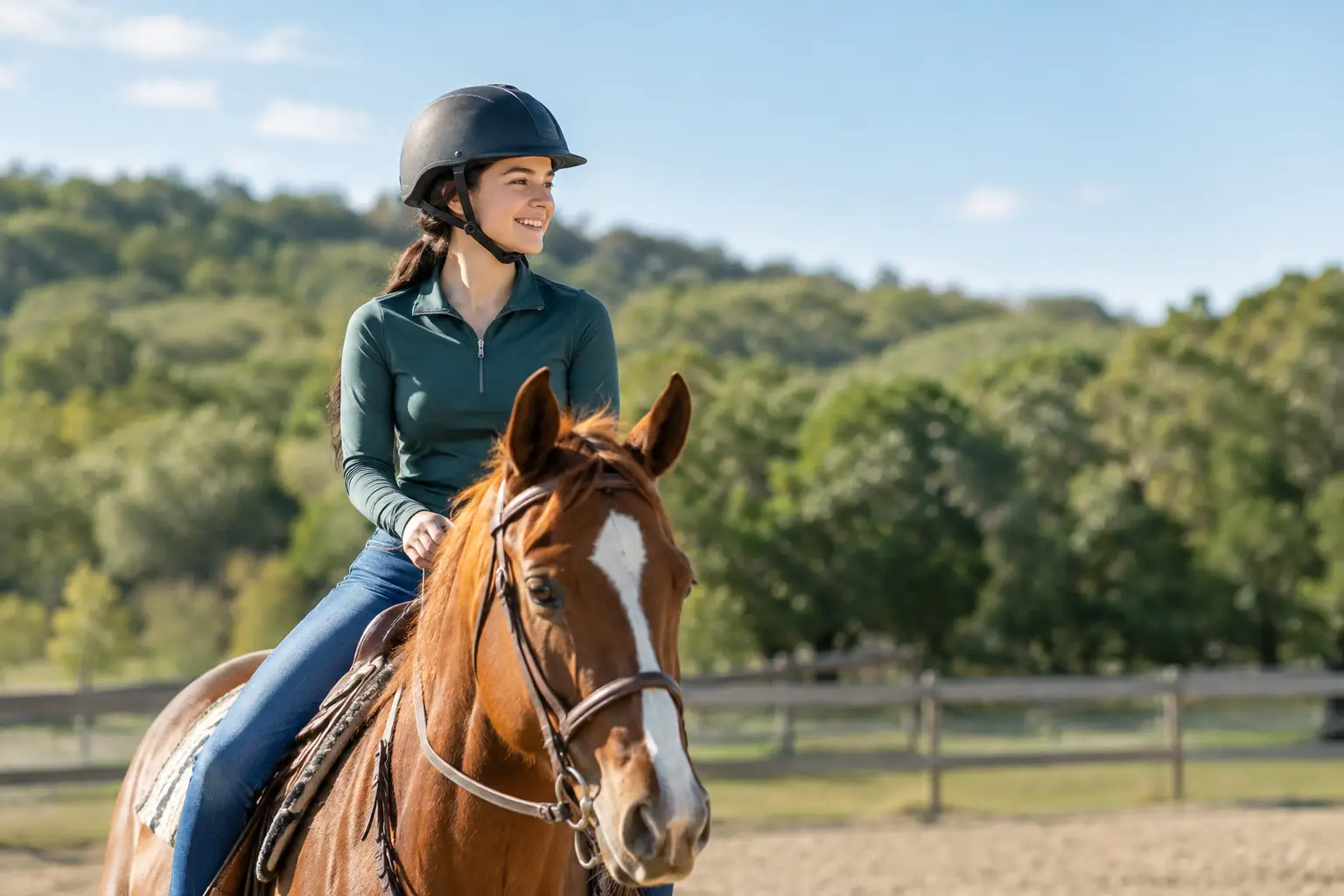
A child’s first moment in the saddle is often quieter than parents expect. There is a helmet to adjust, reins to hold, a large horse breathing nearby, and a lot to take in at once. A thoughtful Wimberley riding lesson guide should help families look beyond the excitement of that first ride and choose instruction that builds confidence, safety awareness, and genuine horsemanship over time.
For adults returning to riding or pursuing it for the first time, the same principle applies. The right lesson program meets you where you are, gives you clear next steps, and makes room for steady progress without rushing the process.
Start With the Kind of Rider You Want to Become
Riding lessons can mean very different things depending on the rider’s goals. A young beginner may need an introduction to balance, boundaries, and respectful horse handling before learning to steer independently. A teen may be ready to develop consistency at the walk, trot, and canter. An adult amateur might want a structured path toward jumping, dressage, or a future lease.
Before scheduling a lesson, consider what matters most right now. Is your priority a child becoming comfortable around horses? Are you looking for a disciplined activity that teaches responsibility? Do you have competitive goals, or are you returning to a sport you once loved? There is no wrong answer, but an honest starting point helps a trainer create an appropriate plan.
Parents should also recognize that a strong foundation can look less dramatic than a quick ride around an arena. Learning how to approach a horse, lead correctly, groom thoughtfully, and understand personal space is part of riding education. Those early skills create safer, more capable riders later.
What Quality Private Riding Instruction Looks Like
Private lessons offer a meaningful advantage for riders who benefit from focused feedback. Instead of trying to keep pace with a group, the rider can work on the specific skills that need attention: hand position, leg stability, posting rhythm, confidence after a break, or preparation for a new discipline.
This individual attention is especially valuable for beginners. A trainer can select an appropriate horse, explain expectations at a manageable pace, and recognize when a rider is ready to move forward. For experienced riders, private instruction allows training goals to become more precise. One lesson may focus on developing a more effective half-halt, while another addresses position over fences or accuracy in a dressage pattern.
Personalized instruction does not mean every lesson feels easy. Good coaching includes encouragement as well as clear correction. Riders grow when they understand both what went well and what to practice next. The best environment feels supportive, but it also has standards for preparation, safety, and respectful conduct around horses.
Look for Horsemanship Alongside Saddle Skills
A rider who can sit a trot but does not understand how to safely move around a horse is missing an essential part of the education. Quality programs teach horsemanship as a regular part of the experience, not as an occasional extra.
That may include learning why a horse is groomed before riding, how tack should fit, what a horse’s ears and posture can communicate, and why riders should stay attentive even after the lesson ends. These lessons build empathy and responsibility. They also help riders become calmer, more observant partners for their horses.
Safety Is More Than Wearing a Helmet
A properly fitted, ASTM/SEI-certified riding helmet is a basic expectation for mounted lessons. Closed-toe shoes with a small heel, comfortable long pants, and a shirt that allows movement are also practical choices for a first visit. Loose clothing, dangling jewelry, and open-toed footwear do not belong around horses.
Still, equipment is only one part of safety. A well-run lesson experience begins before the rider mounts. Horses should be selected thoughtfully for the rider’s level, facilities should be organized with clear riding areas, and the trainer should set expectations for behavior on the ground. Riders need to know where to stand, how to carry tack, when to approach a horse, and how to listen for instructions.
Parents can support this process by arriving on time, allowing enough time for helmet fitting and introductions, and avoiding the urge to coach from the sidelines. Horses respond to calm, consistent communication. Giving the instructor room to guide the lesson helps the rider stay focused and relaxed.
Your First Lesson: What to Expect
The first lesson is usually an assessment as much as an introduction. A trainer will want to learn about prior riding experience, comfort level around horses, physical considerations, and goals. A rider with years of casual trail riding may still need to begin with foundational arena work, while a total beginner may show natural balance and confidence on the ground.
Expect some combination of grooming, leading, mounting instruction, and basic work at the walk. Depending on the rider’s readiness, the lesson may progress to steering, stopping, changing direction, and learning a balanced position. A first lesson is not a test to pass. It is a chance for trainer and rider to establish trust and determine the right pace.
Young riders may need several lessons to feel fully comfortable. That is normal. Horses are large animals, and confidence that is earned gradually tends to last. On the other hand, a rider who is eager to progress should still have a clear understanding of safety and control before moving to faster gaits or more advanced exercises.
Choosing a Program That Supports Real Progress
Consistency matters more than intensity for most riders. Weekly lessons provide time to practice, absorb feedback, and build strength without long gaps between sessions. Twice-weekly riding may suit a rider with ambitious goals, while a busy adult may make excellent progress with a dependable weekly appointment and occasional additional practice.
Ask how progress is evaluated. Riders do not need rigid timelines, because each person learns differently, but they should have a sense of what they are working toward. For a beginner, that may mean independently grooming, tacking up with guidance, maintaining a steady posting trot, and riding a simple pattern. For a more advanced rider, goals may include improving flatwork, developing a jumping course plan, or preparing for a show environment.
A strong program also considers the horse’s well-being. Riding instruction is most effective when horses are cared for attentively, conditioned appropriately, and matched carefully with riders. The rider’s development and the horse’s comfort are connected.
When a Lease or Training Program May Make Sense
As riders gain skill, they may want more time in the saddle than a weekly lesson provides. A horse lease can be a practical next step for a committed rider who is not ready for ownership. It allows the rider to develop consistency, responsibility, and a deeper relationship with a horse while still receiving professional guidance.
For horse owners, a monthly training program can offer a coordinated approach to the horse’s education and the rider’s goals. The right arrangement depends on experience, schedule, budget, and the horse’s needs. There is value in waiting until fundamentals are secure rather than moving ahead simply because a rider is enthusiastic.
Questions Worth Asking Before You Begin
A prospective lesson family should feel comfortable asking how instruction is structured, what safety practices are in place, and what is expected of riders between lessons. It is also reasonable to ask about the trainer’s approach to beginners, how lesson horses are matched, and whether riders receive guidance on long-term goals.
Pay attention to how the program communicates. Clear policies, organized scheduling, clean and functional spaces, and respectful treatment of horses all signal care. At Eden Hills Equine, individualized coaching is designed to give riders focused attention while helping them develop the habits that support confident, thoughtful riding.
The right lesson program should never make a rider feel invisible or pressured to perform beyond their readiness. It should make the next step feel understandable, whether that means holding the reins correctly for the first time or refining a technical skill after years in the saddle.
Wimberley Riding Lessons Are a Long-Term Investment
Riding teaches much more than a sport-specific skill. It asks riders to be present, patient, accountable, and aware of another living being. Those lessons can be especially meaningful for children, but they are just as valuable for teens and adults.
Progress will not always follow a straight line. A rider may feel ready to canter one week and need to return to walk-trot work the next. Weather, confidence, fitness, and the horse’s needs all affect a lesson. That is not failure. It is part of learning to ride with care and good judgment.
Choose a setting where questions are welcomed, safety is practiced consistently, and each small improvement is noticed. With thoughtful instruction and time in the saddle, riders develop the kind of confidence that reaches far beyond the arena.